Online Reporter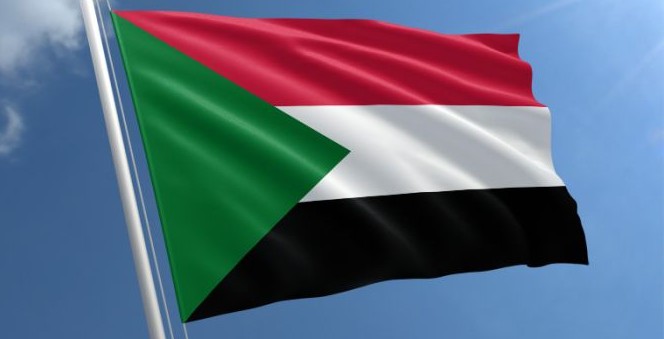
Gibson Nyikadzino
Zimpapers Politics Hub
Sudan has appealed to Zimbabwe to use its influence within the African Union (AU) to help end Khartoum’s suspension of activities from the continental body, imposed in October 2021, the Sudanese Ambassador to Harare has said.
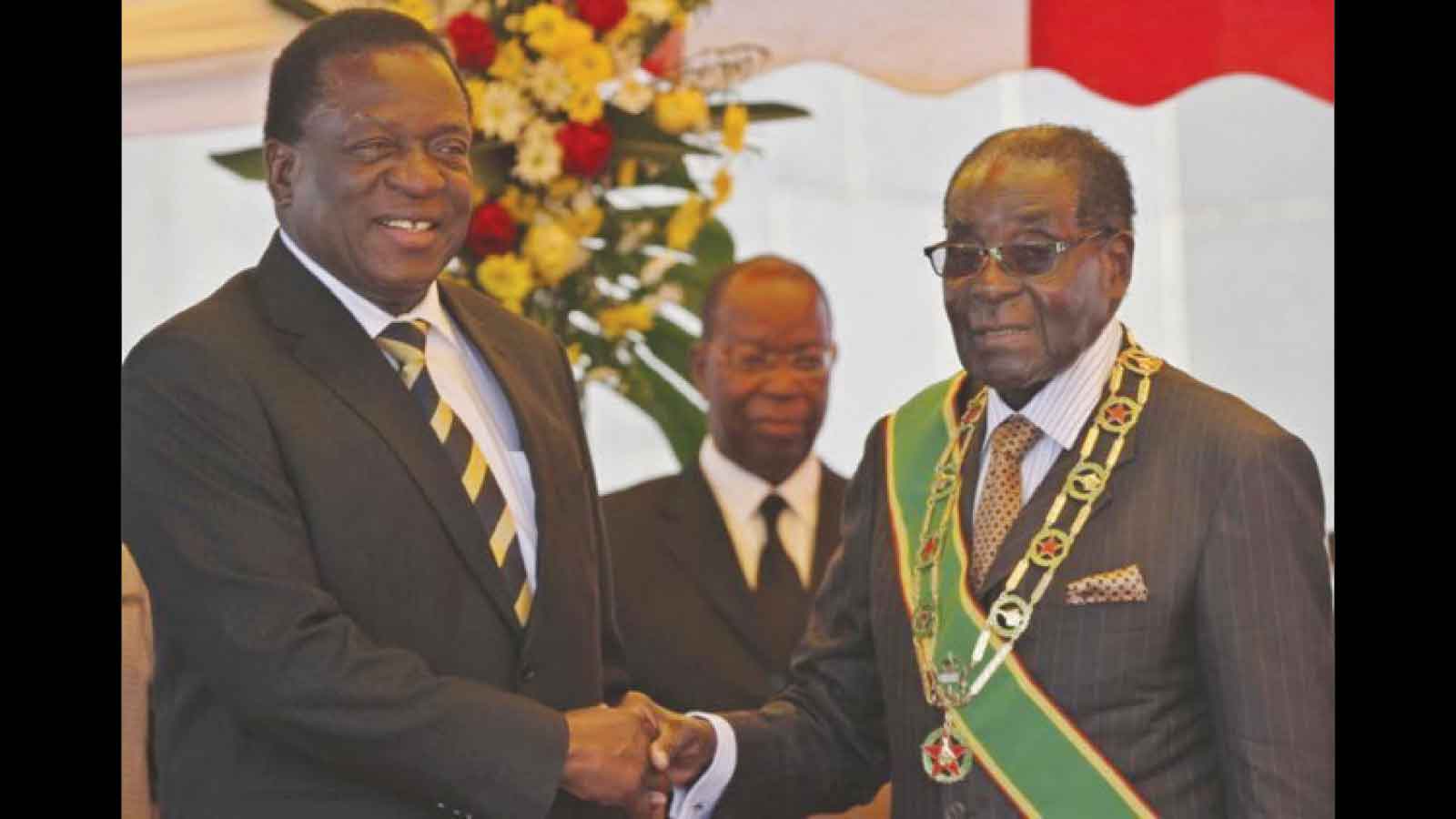
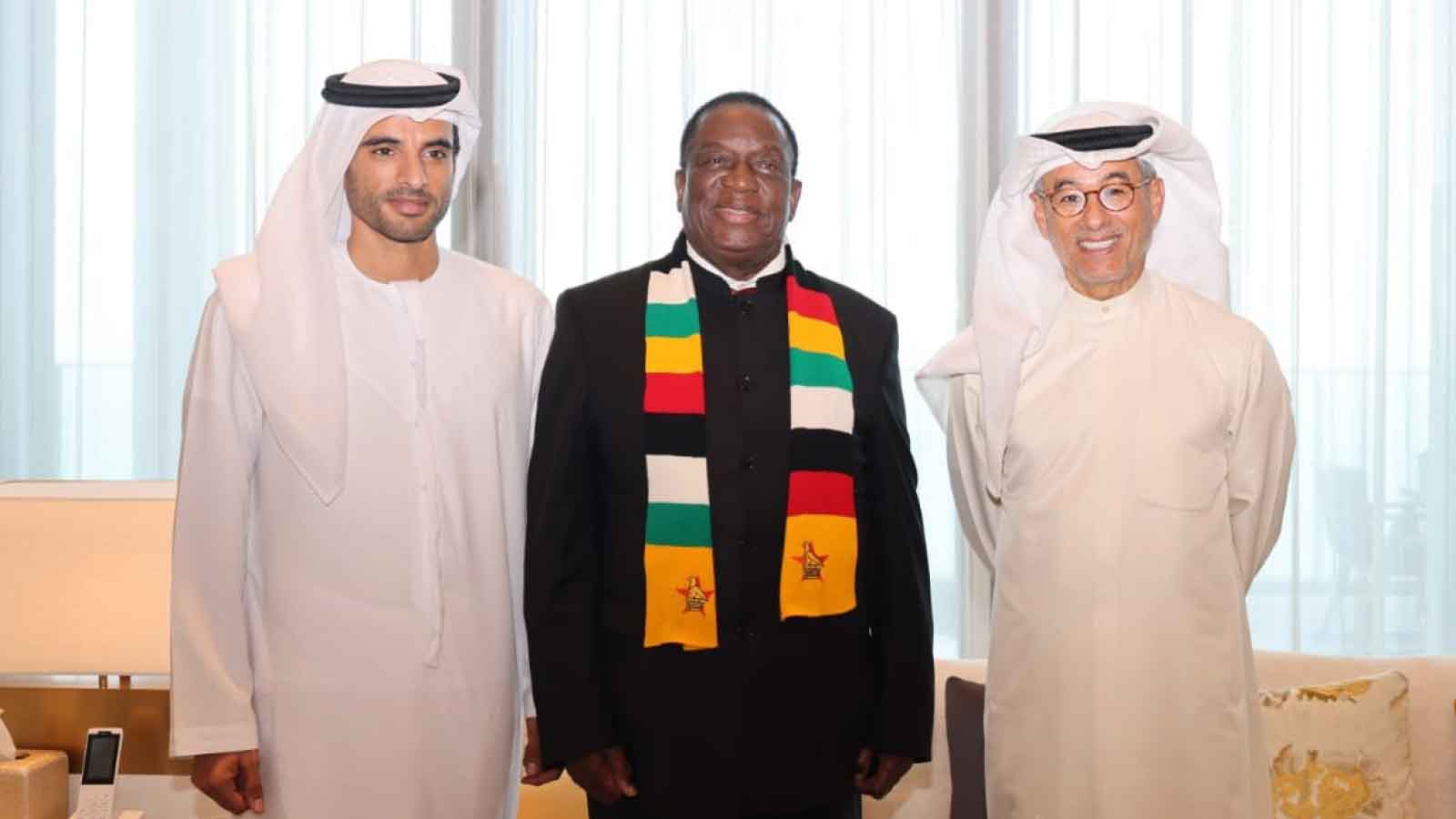
In an interview with Zimpapers Politics Hub, Ambassador Ibrahim Elsheikh revealed he has engaged President Mnangagwa, seeking his support as an elder African statesman.
According to Ambassador Elsheikh, the October 2021 actions by General Abdel Fattah al-Burhan – which led to Sudan’s suspension – were intended to rectify the country’s political situation, but were misinterpreted internationally as a coup.
He said that the suspension was counterproductive, as it weakens the AU’s capacity to resolve African matters and inadvertently creates space for external powers to intervene.
“We have discussed with His Excellency President Mnangagwa that he could use Zimbabwe’s influence in the AU to end Sudan’s activities suspension, hence the President (Mnangagwa) has many times expressed his solidarity with the Sudanese people.
“In addition, President Mnangagwa has been consistent with his calls for Africanism and solving the continent’s problems from within, instead of internationalising them,” Ambassador Elsheikh said.
Additionally, a failed coup attempt on April 15, 2023, by the Rapid Support Forces (RSF) terrorist militia group led by Mr Muhammad Hamdan Dagalo threw the country into a humanitarian crisis that has displaced millions.
Ambassador Elsheikh said the Sudan Transitional Sovereignty Council and the Government of Hope are keen to lead the country to a democratic path via a fair election process, despite signing the Jeddah Agreement with the RSF terrorist militia, which the latter violated.
“The RSF, with foreign hostile powers’ support, carried out a failed coup.
“As a result of its failure, it launched a war against the state. The army’s constitutional duty is the restoration of order, so it fights this terrorist militia.
“Many times the army negotiated with the militia and signed agreements, but because the said militia has a hidden foreign agenda, it doesn’t fulfil its commitments,” said the Ambassador.
Due to attacks by the RSF terrorist militia, over 70 percent of Sudan’s hospitals are non-functional, and water supply installations, electricity grids and communication networks have been destroyed.
Nearly 19 million children are out of school, a crisis that threatens to create a lost generation.