Chronicle Editor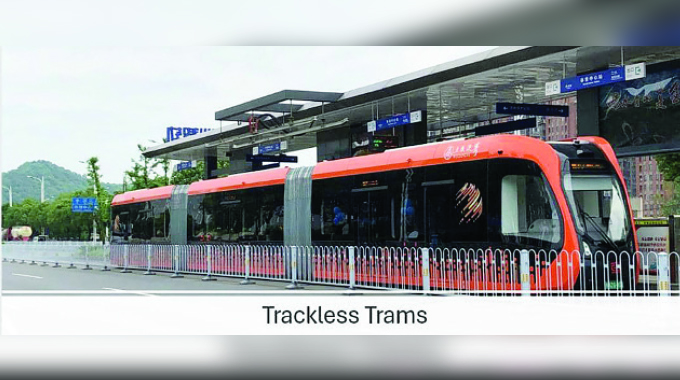
Judith Phiri, Business Reporter
THE introduction of trackless tram systems in major cities across Zimbabwe has been hailed as a potential game changer in alleviating traffic congestion in the urban areas.
These electric-powered street cars operate on fixed rail tracks and offer an efficient urban transit solution.
The project’s first phase, which is projected to require an investment of between US$50 million and US$75 million has identified routes in Harare, Bulawayo, and Victoria Falls for implementation.
Responding to questions in the National Assembly recently, Transport and Infrastructural Development Minister Felix Mhona outlined the Government’s vision for the tram systems, emphasising its potential to alleviate road congestion.

He said the long-term plan to implement trams, akin to small trains, utilising existing railway lines will provide transport for residents, while the initiative aims to encourage commuters to leave their vehicles behind and opt for public transportation, which could significantly ease congestion during peak travel hours.
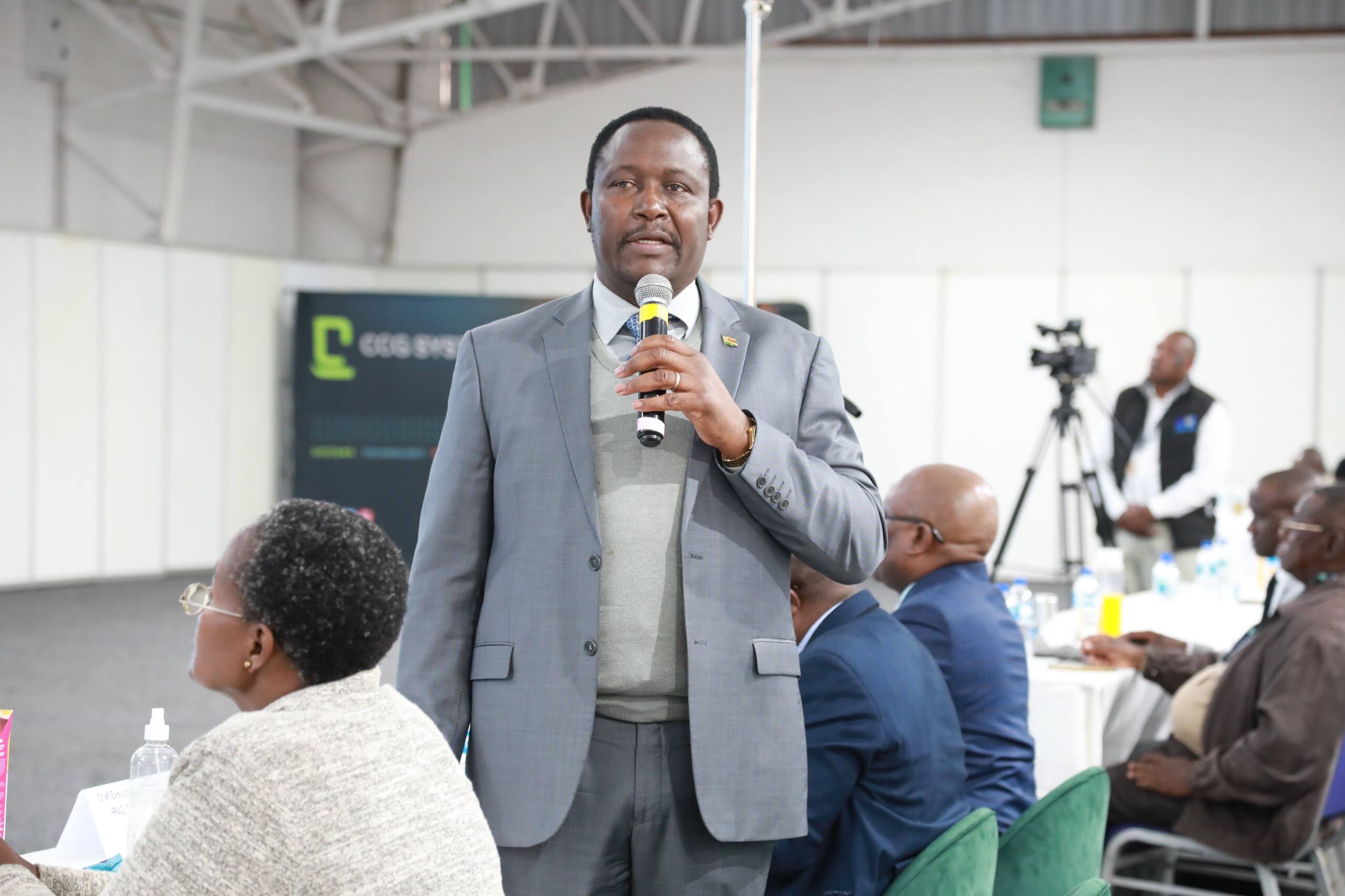
In a recent presentation on Connecting African Communities through Innovative Transport Infrastructure at the Africa Infrastructure and Built Environment Confex (AfriConfex) 2024 Conference, Zimbabwe Infrastructure Investment Group (ZIIG) chief executive officer (CEO), Dr Vinnet Ndlovu who will be spearheading the project said trams were sustainable solution to urban mobility challenges.
“As ZIIG we will be the project lead and coordinator, while China Railway Rolling Stock Corporation (CRRC), a Chinese state-owned and publicly traded rolling stock manufacturer, will be technology provider and tram manufacturer.
“Solar-powered trackless trams are an innovative public transportation system powered by solar energy, they have no tracks or overhead wires needed and they are environmentally friendly and cost-effective,” he said. 
He said five routes were identified for the first phase as Harare CBD-Norton route, Harare CBD-Chitungwiza route, Bulawayo CBD-National University of Science and Technology (Nust), Bulawayo CBD-Eloana via Zimbabwe International Trade Fair (ZITF) and the Victoria Falls Airport to Vic Falls town via Masuwe economic development zone.
Dr Ndlovu said the goal was to reduce traffic congestion, improve air quality and reduce carbon emissions, enhance public transportation reliability and comfort, economic stimulation in areas along the routes and increase property values along the routes as well as position Zimbabwe as a leader in sustainable transportation.
He added: “Our key stakeholder is the Government of Zimbabwe through the Ministries of Transport and Infrastructural Development and Finance, Economic Development and Investment Promotion. We will also work with local authorities in Harare, Bulawayo and Victoria Falls as well as the Zimbabwe Tourism Authority (ZTA), local businesses and communities.”
Dr Ndlovu said after the first five routes they will also include the Harare CBD- Mount Hamden, Harare CBD-University of Zimbabwe (UZ), Harare CBD-Robert Gabriel Mugabe (RGM) International Airport, Bulawayo CBD -Bellevue, Bulawayo CBD-Mzilikazi via Renkini and Bulawayo CBD-Joshua Mqabuko Nkomo (JMN International Airport) routes. 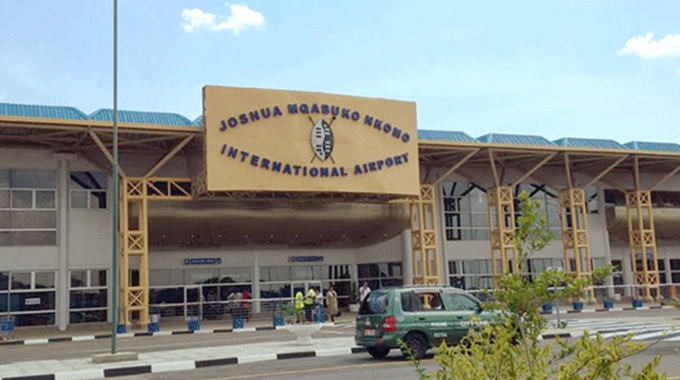
He said their focus was to ensure the Victoria Falls Airport to Victoria Falls City via Masuwe route is completed on time ahead of the 14th edition of the Cricket World Cup 2027 which will be held in the resort city.
“Steps to be done for this project we will begin with a detailed feasibility and modalities studies for each route, prioritizing the Victoria Falls link to the Cricket World Cup in 2027. We will also do an environmental impact assessment as we are already scheduling stakeholders’ consultation and developing our funding proposal that will mostly be informed by the outcome of the feasibility studies for these routes,” he said.

Dr Ndlovu said the implementation will be phased allowing them to learn and adapt as they progress.
He said the project was not only cost-effective but 500 direct jobs will also be created in construction, operation and maintenance.
Dr Ndlovu said CRRC will train local engineers and technicians so that they will be able to maintain and operate the systems.
“The first phase of the five routes will cover a distance of approximately 100 to 107 kilometres serving on average more than one million passengers annually. Should we do the feasibility studies the passengers’ figures are likely to double up,” he said.
He said the project would provide a sustainable solution to urban mobility challenges, aligned with national development goals that will be enshrined in the National Development Strategy 2 (NDS2) as well as attract investment and boost tourism.



 Online Reporter