

 Online Reporter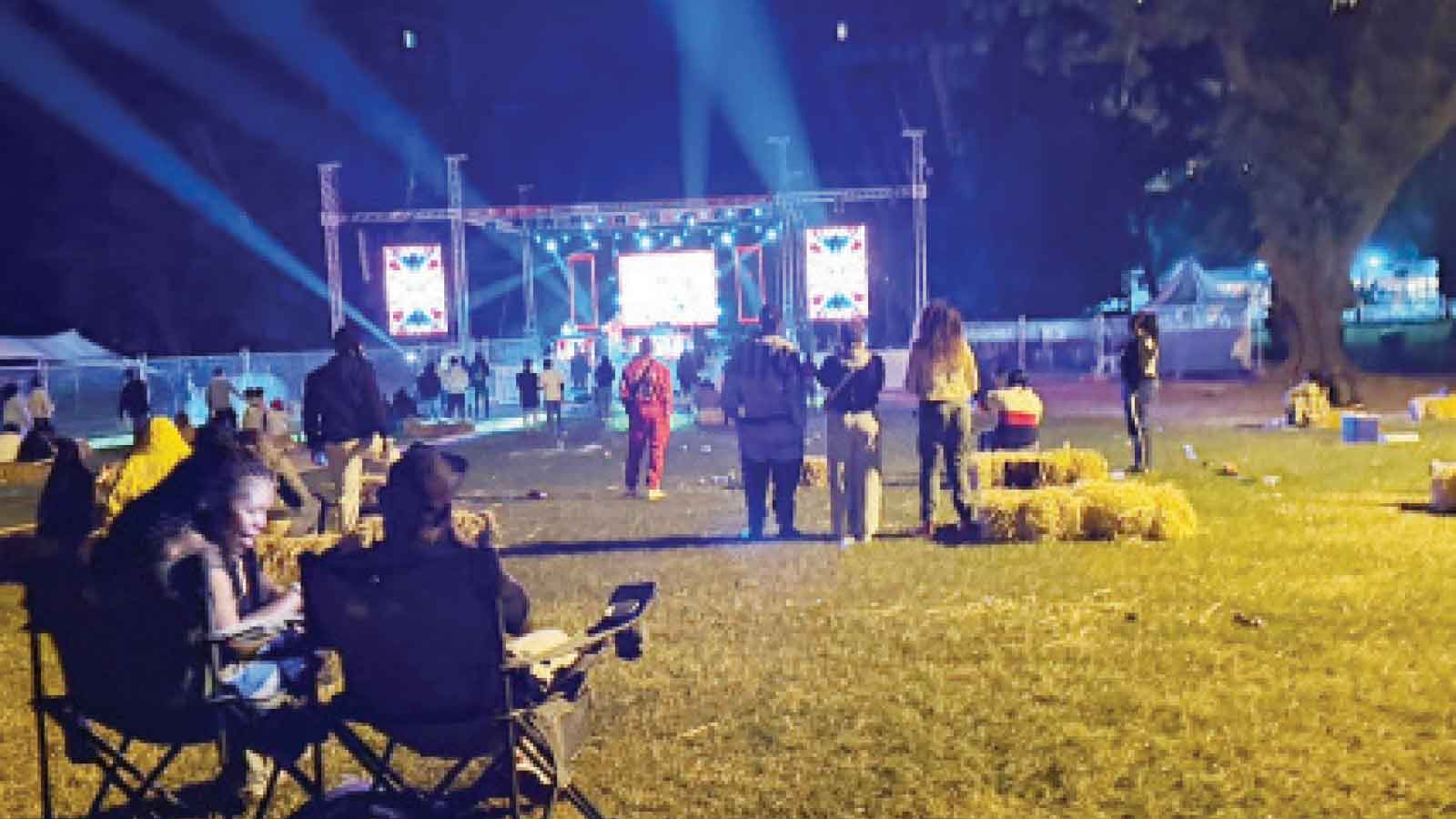
Zimpapers Entertainment Hub
Big stage set-up, marathon medals already printed, soccer trophies prepared, and artistes backstage and ready to perform — everything appeared set for Sunshine City Festival to become one of Harare’s stand-out entertainment experiences of the year.
Yet, despite the investment, excitement, and ambitious planning, the organisers were ultimately forced to postpone Day Two of the festival, along with the marathon and soccer tournament, after attendance figures failed to meet expectations.
Held at Harare Gardens, a venue which some said is simple to fill to capacity if the organisers have done their home-work.
The development has now triggered a wider conversation within Zimbabwe’s arts and entertainment circles, with many questioning whether local promoters continue to rush into large-scale events without fully understanding the realities of audience behaviour and economic pressure.
Festival director Nigel Chinovhiringa broke the news through an emotional statement apologising to fans, partners and advisory board members.
“We plan, but God decides,” he said.
“Whenever we plan, we always make sure we bring you the very best. The set-up was ready — the big stage, marathon medals and T-shirts had already been produced, and even the soccer tournament trophy had been made.”
He added that the organisers had envisioned a much bigger turnout than eventually materialised.
“I would like to sincerely thank all the artistes for their professionalism. Unfortunately, the numbers did not match the scale we wanted to achieve,” said Chinovhiringa.
The festival had assembled a strong line-up featuring South African group Mi Casa alongside local performers such as Sylent Nqo, Kurai Makore, Shinsoman and several DJs and entertainers.
For weeks, the event generated online conversations and was marketed as a lifestyle festival that would merge music, sport and family entertainment into one major experience.
However, one issue that has now raised eyebrows among followers is that, in the days leading up to the event, promotional material and social media posts created the impression that the festival was attracting overwhelming support, with some supporters even interpreting the momentum as signs of a near sell-out event.
The eventual postponement has therefore left some questioning whether organisers may have over-projected the event’s commercial success in an attempt to build hype and urgency around ticket sales.
Arts commentators, however, say such tactics are not uncommon within the entertainment business, where promoters often amplify excitement to encourage last-minute purchases.
Still, analysts warn that exaggerated messaging can backfire badly when the final turnout fails to match public expectations.
Entertainment analyst Tawanda Dube believes the challenge facing many local promoters is not necessarily creativity, but understanding how audiences now consume events.
“People are excited online, yes, but excitement alone does not fill venues anymore,” he said.
“Fans now choose carefully where to spend their money because attending an event has become expensive when you factor in transport, food, accommodation and tickets.”
Dube added that promoters also need to invest more aggressively in long-term marketing strategies rather than depending heavily on posters and social media announcements.
“Successful festivals are built months before the actual day through partnerships, activations, storytelling and consistent visibility,” he said.
Still, some arts followers feel the criticism directed at Sunshine City Festival has been too harsh.
Those who attended the opening day say the event itself was professionally organised and delivered quality entertainment.
One fan, Ashley Mataruse, said the festival atmosphere showed promise despite the disappointing turnout.
“The performances were actually very good, and the set-up looked proper. You could see that money and effort had been invested into the production,” she said.
“It’s unfortunate that people are only focusing on the cancellation because Day One itself was enjoyable.”
But not everyone shares the same sentiment.
Several disgruntled fans expressed frustration online after travelling from outside Harare expecting a full weekend programme only to later learn that the remaining activities had been postponed.
Others questioned whether organisers overestimated demand too early instead of gradually building the festival brand over time.
Still, arts promoters say postponements are not uncommon within the entertainment industry, especially when organisers feel projected targets are no longer sustainable.
One Harare-based promoter said the most important issue now is transparency and how organisers handle refunds and communication.
“If people get their refunds smoothly and organisers communicate honestly, the brand can still recover,” he said.
“The real damage comes when promoters disappear or ignore customers after setbacks.”
Chinovhiringa has already assured ticket holders that refunds will be processed through the same payment channels used during purchases.
Sunshine City Festival had positioned itself as more than just another concert.
The inclusion of a marathon and soccer tournament reflected efforts to create a broader entertainment and lifestyle brand capable of attracting families and different audiences.
That ambition, according to arts followers, should not necessarily be dismissed because of one setback.
However, the situation once again raises an uncomfortable, but important question within Zimbabwe’s entertainment sector — will local promoters ever learn the importance of scaling events according to market realities?
For now, Sunshine City Festival finds itself at a crossroads.
The postponement may either become the beginning of the festival’s collapse or simply a painful lesson that helps organisers return stronger, wiser and more prepared for the demands of Zimbabwe’s unpredictable entertainment



