Online Reporter
Judith Phiri, [email protected]
THE Ministry of Lands, Agriculture, Fisheries, Water and Rural Development has called for strong, sustainable collaboration among stakeholders to unlock the full potential of Zimbabwe’s livestock sector, as the country targets a US$25 billion industry by 2030.
Livestock remains a cornerstone of rural livelihoods, supporting more than 60 percent of Zimbabwe’s population, while also serving as a vital source of nutrition and a key pillar of the national economic recovery and growth agenda.
Zimbabwe is intensifying efforts to rebuild and expand its national herd to 12 million cattle by 2034, a target officials say is increasingly attainable following the growth of the country’s stud livestock population to over 24 000 registered animals.
Speaking during a stakeholder engagement ahead of the upcoming Livestock Conference in Bulawayo, the ministry’s Permanent Secretary, Professor Obert Jiri, said meaningful collaboration across the value chain was essential to achieving sustained growth.

“The focus should include genetics, animal health and nutrition, with a focus on tech integration and climate-smart practices. The goal is to transform livelihoods, especially in livestock-dependent regions like Matabeleland Provinces. Zimbabwe could increase its herd from 5,7 million to 6,6 million by 2030,” he said.
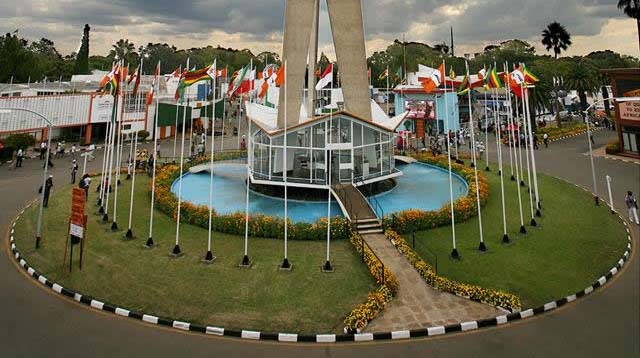
The Livestock Conference, hosted by the Zimbabwe International Trade Fair (ZITF) Company, will run from March 19 to 20 and is expected to bring together farmers, policymakers, researchers and private sector players.
ZITF Company chief executive officer Dr Nicholas Ndebele said the inaugural conference held last year attracted more than 200 delegates and successfully created a platform linking farmers with policymakers and technical experts.
“Our approach is to defer to technical expertise so that the platform delivers practical solutions, meaningful guidance and tangible community impact,” said Dr Ndebele.
Prof Jiri reiterated that livestock was not merely a subsector but the foundation of livelihoods, nutrition security and economic resilience in Zimbabwe. He noted that the Government’s livestock development agenda is guided by the Agriculture and Food Systems and Rural Transformation Strategy, supported by the Livestock Recovery and Growth Plan, and aligned with National Development Strategy 2 (NDS2).
Among the Government’s key priorities is climate resilience, particularly the promotion of drought-resistant fodder crops and water-harvesting technologies to cushion farmers against recurrent droughts.
“As part of Government’s response to the El Niño-induced drought of the 2023/24 season, we implemented a Drought Mitigation Plan anchored on the establishment of Ward Drought Mitigation Centres across Zimbabwe’s 1 620 rural wards,” said Prof Jiri.
“These centres provided water, feed and dipping facilities, enabling us to save more than 90 percent of the two million cattle that were at risk.”

Towards the end of 2025, the Zimbabwe Feed and Fodder Multi-stakeholder Platform (ZFFMSP) set an ambitious target to help transform the livestock sector into a US$25 billion industry, focusing on sustainable production and economic growth.
The initiative seeks to revitalise the feed and fodder sector, a critical component of livestock productivity, while strengthening partnerships between Government and the private sector to promote drought-resistant crops, efficient water use and improved yields.