Online Reporter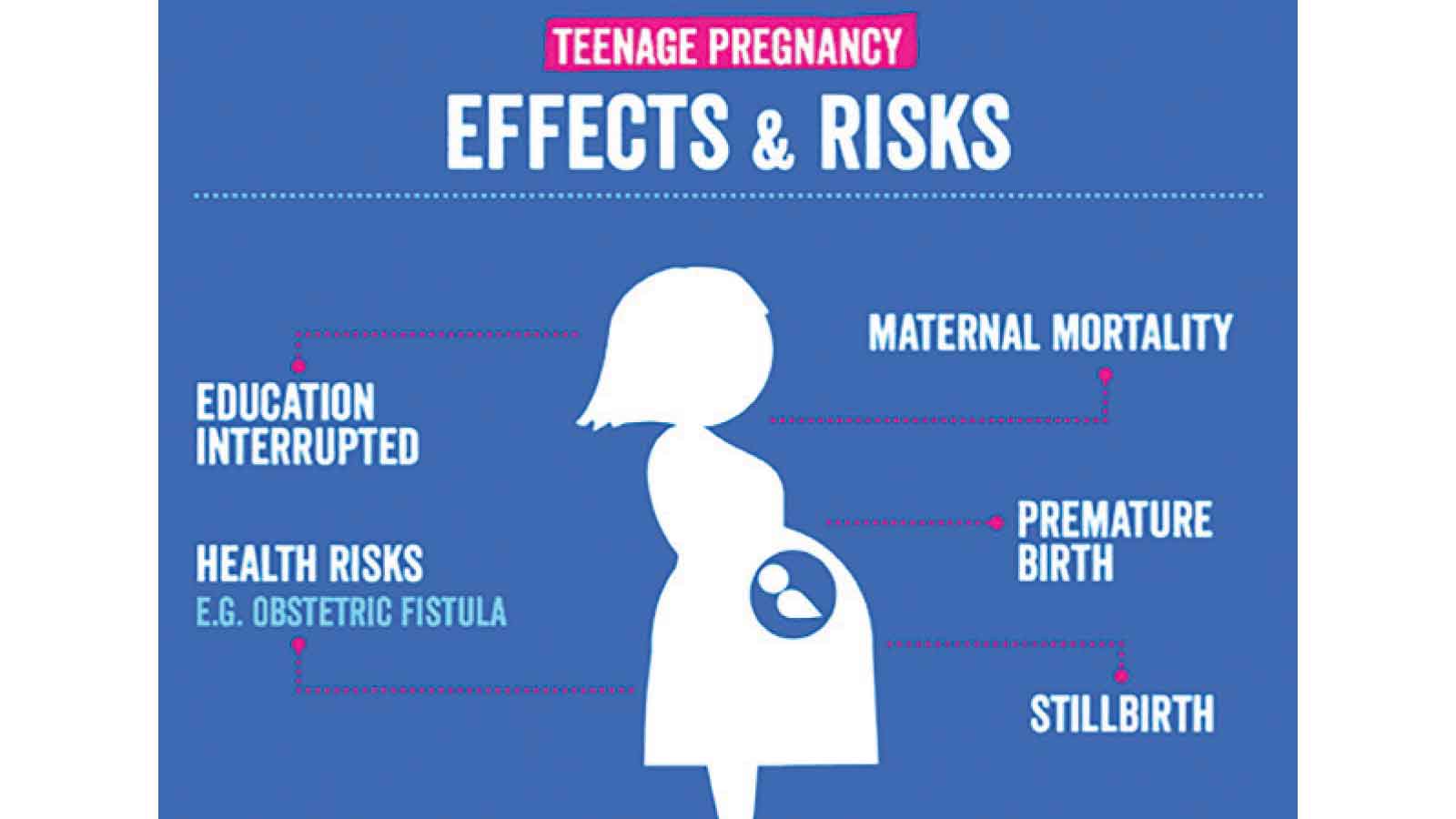
Anashe Mpamombe
Teenage pregnancy remains a major social and public health concern in Matabeleland South, despite ongoing efforts by the Government and its development partners to strengthen reproductive health services.
According to the Zimbabwe National Family Planning Council (ZNFPC), the province records a teenage pregnancy rate of 27 percent, which is higher than the national average of 23 percent. Furthermore, out of approximately 190 000 women of reproductive age (15–49 years) in the province, about 40 percent are not using modern contraceptive methods, with many remaining outside formal family planning programmes. These statistics highlight both the magnitude of the challenge and the importance of continued government intervention.
Health authorities have linked these trends to early sexual activity, limited access to youth-friendly services, and socio-cultural barriers that affect the uptake of reproductive health services. As noted by the ZNFPC Matabeleland South provincial manager, Blessed Gumbi, early and unprotected sexual activity exposes young girls to serious risks such as dropping out of school, sexually transmitted infections (STIs), and HIV infection. These challenges do not only affect individuals, but also undermine national development goals by reducing educational attainment and future economic productivity.
It is important to recognise that the Government has not been passive in addressing these issues. Through the Ministry of Health and Child Care and the ZNFPC, significant progress has been made in expanding access to reproductive health services across the province. Health facilities have been upgraded, maternal healthcare services strengthened, and healthcare personnel trained to manage pregnancy-related complications, including those affecting teenagers. These interventions demonstrate a clear commitment by government to protect maternal health and improve service delivery at all levels.
In addition, government-led family planning programmes have improved awareness and uptake of contraceptive services. Gumbi noted that out of the women of reproductive age in Matabeleland South, about 118 000 (roughly 60 percent) are now on modern contraceptive methods. This reflects progress driven by public sector outreach programmes, community sensitisation campaigns, and partnerships with organisations that support reproductive health education. Such achievements should be acknowledged as evidence that sustained government investment is yielding positive results.
However, despite these gains, challenges remain. A significant proportion of women still rely on natural methods of family planning, which are less reliable, while others are not accessing services at all due to stigma, misinformation, and cultural barriers. Limited male involvement in family planning also continues to affect progress, as highlighted by health officials. In many cases, reproductive health decisions are still seen as the responsibility of women alone, which limits effectiveness and contributes to misunderstandings within households.
Against this background, it is clear that the Government should continue to take a leading role in strengthening and expanding its interventions. The current progress shows that when government systems are activated, positive change is guaranteed. There is need to reinforce and build upon existing programmes.
Government should continue to expand youth-friendly health services across rural and urban areas. Many young people still face barriers when accessing clinics, including stigma and lack of confidentiality. Strengthening adolescent health corners in public health facilities and training healthcare workers to engage sensitively with teenagers will improve service uptake and reduce unplanned pregnancies.
There is also need for continued investment in comprehensive sexuality education through the education system. Government policy has already supported life skills education in schools, and this should be further strengthened. When learners are equipped with accurate information about reproductive health, consent, and responsible behaviour, they are better able to make informed choices. Schools remain one of the most effective platforms for early intervention.
The Government should intensify community awareness programmes through ZNFPC and local leadership structures. Mr Gumbi noted that stigma and misconceptions remain key barriers to the uptake of family planning services. Government-led outreach campaigns involving traditional leaders, churches, and community organisations can help break cultural silence and promote responsible behaviour.
Male involvement initiatives must be strengthen. The ZNFPC has already begun working with male family planning champions and partner organisations to engage men. This approach should be scaled up nationally. When men are actively involved in reproductive health decisions, family planning becomes more effective and household communication improves.
The Government should continue to address maternal healthcare and adolescent pregnancy management within public health facilities. The Ministry of Health and Child Care has already made progress in upgrading theatres and training staff to handle pregnancy complications, including teenage cases. Continued investment in infrastructure and personnel is essential to sustain these gains and improve outcomes for young mothers.
Finally, the integration of reproductive health strategies with broader social protection and poverty reduction programmes. Economic vulnerability remains one of the underlying drivers of teenage pregnancy. By strengthening social welfare systems, supporting vulnerable families, and expanding opportunities for youth empowerment, the state can reduce the conditions that expose young girls to risk.
While teenage pregnancy in Matabeleland South remains a serious challenge, the progress achieved so far demonstrates that government-led interventions are effective and necessary. The reduction of teenage pregnancy requires sustained commitment, increased investment, and coordinated action led by the State in partnership with communities and development partners. Strengthening existing programmes rather than replacing them is the most practical and effective way forward. With continued government leadership, Matabeleland South can further reduce teenage pregnancy rates and secure a healthier, more productive future for its young people.