dyton mupawaenda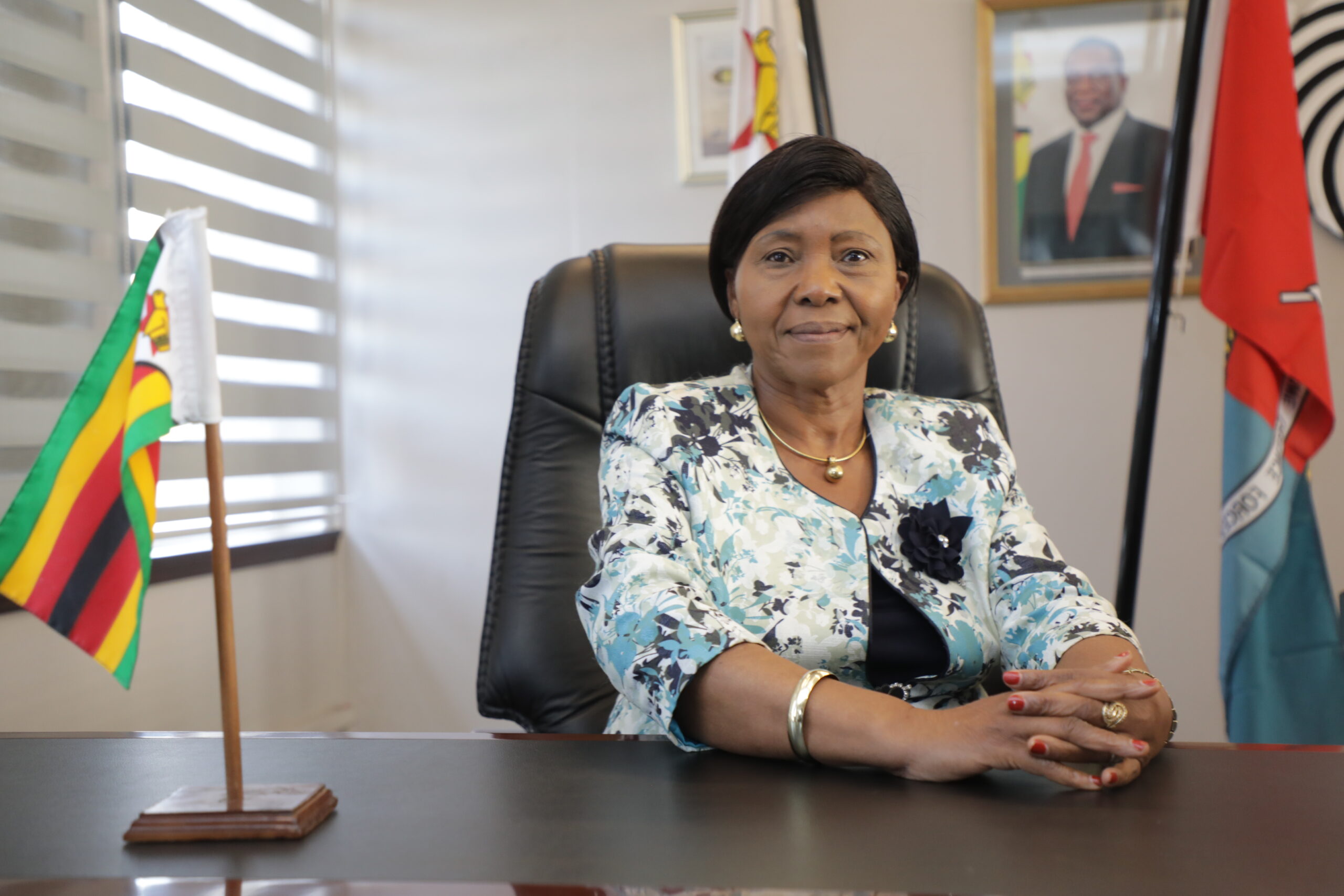
Rumbidzayi Zinyuke-Senior Reporter
AS Zimbabwe continues to intensify the fight against drug and substance abuse, the Swedish Embassy recently announced a US$1,9 million grant to support a new anti-drug campaign dubbed, “The strength is in you”.
The anti-drug campaign is being implemented by Population Solutions for Health (PSH) to raise awareness of the effects of drug and substance abuse while supporting those in need of rehabilitation.
Chairperson of the National Committee on Drugs and Substance Abuse, Oppah Muchinguri-Kashiri, who is also the Minister of Defence, commended the campaign which she said sought to restore the lost human and community functionality.
Minister Muchinguri-Kashiri was represented at the campaign launch by Deputy Minister of Public Service, Labour and Social Welfare Mercy Dinha.
“Allow me to thank Population Solutions for Health for your efforts in complementing the ongoing crucial steps and interventions undertaken by the Government to curb the scourge of drug and substance abuse in the country.
“Your interventions are in support of the development philosophy by His Excellency, the President of the Republic of Zimbabwe, that ‘Nyika inovakwa, inotongwa nevene vayo’. Protecting citizens from drug and substance abuse is a necessity in nation building,” she said.
Minister Muchinguri-Kashiri said drug and substance abuse was a major public health and social concern, which had far-reaching consequences.
A survey conducted last year by PSH showed that 43 percent of young people interviewed in Harare and Bulawayo had engaged in one or more forms of drug use at some point in their lives.
Global trends on drug and substance abuse also indicate that the abuse of drugs and harmful substances result in 3,3 million deaths each year.
It also shows that at least 15,3 million people have drug use disorders.
This, said Minister Muchinguri-Kashiri, was the reason why the Government was working tirelessly to address the issue through various preventive, treatment, psycho-social support, and after care interventions in combating the proliferation of drugs and substance abuse in the country.
“The recovery from drugs and prevention of possible continued use of drugs by individuals is embedded in the wider community and family environment.
“This requires the involvement of the family in every step of addressing drug and substance abuse.
“I believe that the magnitude of this problem also needs collective national action across all spheres. It entails a sense of unity that is characterised by a co-ordinated and integrated multi-sectoral approach to ensure a drug-free society,” she said.
The Minister said people should desist from silo mentalities and appreciated the support and collaboration of international partners such as the Embassy of Sweden and non-governmental organisations like Population Solutions for Health for their complementary efforts in overcoming the drug menace.
The campaign would involve individuals who had overcome drugs and substance addiction, to inspire others, and would collaborate with influencers and celebrities to encourage open dialogue and equip young people with skills to resist drugs.
Swedish Ambassador to Zimbabwe Per Linguard commended the Government for creating a structured response towards drug and substance abuse led by the Inter-Ministerial Committee on Drugs.
“We acknowledge the task at hand: to reduce both the supply side and the demand side of illicit substances and drugs and the need to focus more specifically on prevention, treatment, and control – three equally strong pillars,” he said.
Illicit drugs had to continue to be illicit, said Ambassador Linguard, and there was a need to tackle the negative social and health consequences of drug and substance abuse.
The grant for the anti-drugs campaign was part of the Swedish Embassy’s overall efforts to address negative practices within society, which include the campaigns to combat gender-based violence and the campaign against child marriages.
Mr Tonderai Maphosa said he had been addicted to more than seven substances and drugs including alcohol, cigarettes, marijuana, codeine, diazepam and crystal meth for 15 years.
“But in 2021, I found the strength within me to get free from these clutches. In December this year, I will be three years clean from drugs.
“I am here today as a drug and substance use champion but also as a living testament to the ability of one to break free from these shackles,” he said.
Mr Maphosa conquered his addiction with support from family as well as tapping into his inner strength to say ‘no’ to drugs.
Musician, Ms Pauline Gundidza, who is one of the influencers and celebrities championing “The strength is in you” campaign and a survivor of substance abuse, said her struggles with mental health and alcohol abuse emanated from a dysfunctional family, early marriage, early motherhood, economic hardships and a poor choice of friends.
“I am a very emotional person, so I started to take it out on alcohol. I look back today and I can only wish I had said no to my friends.
“They appeared to be good people with good intentions then. First it was fun, I would feel better whenever I got high. Then alcohol became my go to place. Every time I had an incident, I would turn it into a reason to drink that day,” she said.
Ms Gundidza emphasised the need for a strong support system for people struggling with drug and substance use.
Government is in the process of drafting the National Youth Bill and rebranding the National Youth Service as part of efforts to provide mechanisms for mainstreaming youths in social, economic and political spaces.
Standalone treatment and rehabilitation centres have also been established to ensure improved access to services with one in Bindura already functional.


 Online Reporter