admin
admin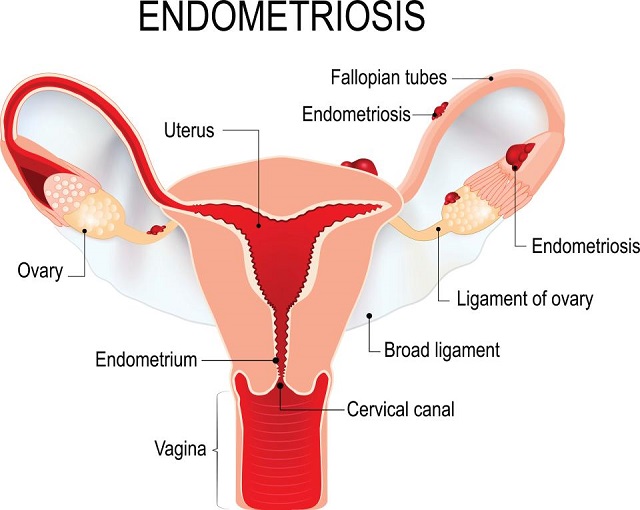

Dr Kimberly Nyathi
HELLO Zimbabwe! I am so happy to be educating you yet again on the subject of endometriosis. In the weeks to come I will be shedding light on this complex disease and everything that comes with it. I have had endometriosis for next to 10 years and it’s been such a journey.
What I have realised in these years is that we are not educated enough on the subject of endometriosis. Most of you have probably not heard of it before today. Hopefully these articles will change that. Endometriosis is a gynaecological condition that affects 176 million women worldwide, 1 in 10 million women. It can affect any female who is menstruating. Endometriosis is a condition where tissue (endometrium) which normally grows inside the uterus grows outside the womb. What does this mean? This means that the blood that we usually see as period blood does not exit the body and stays outside the womb and forms endometriosis/ endometrial lesions. The following diagram will explain it further .
Because endometriosis is a menstrual related disease women are often told that the pain is “normal” and that the pain is only in their head. It took me about 4 to 5 years to be diagnosed because every time I went to the doctor and had ultrasound scans done, they all came back normal. A laparascopy can 100 percent confirm/diagnose endometriosis. It is a surgical procedure where tiny incisions are made and a camera is inserted inside the abdomen to find out if there is endometriosis or any other disease. MRI machines or ultrasounds may also pick it up if the doctor is knowledgeable of the disease or knows how to see it on such images.
The most important thing to know is that if you are in pain, or notice any changes in your menstrual period, do not keep quiet about it. Late diagnosis or late treatment can create further issues down the line as well as infertility. Pain that stops you from doing normal activities, like going to school or work is not normal. If you find yourself struggling to walk or even having to crawl in pain, that is not normal. If you are taking pain killers and they are not giving you relief, that too is not normal.
Society, traditions or culture may tell us that pain is part of being a woman, but it really is not.
Sometimes the pain is not only present during menstruation, but a woman may find herself in pain often in the month or in some cases of endometriosis, like mine, all the time. That is not normal and I am here to make you realise that. I have had endometriosis for next to 10 years and I did not have all the symptoms at once. Sometimes it starts as just a bad period pain and then more symptoms develop especially when the disease is not treated early. These are the symptoms a woman with endometriosis may have: prolonged bleeding, heavy periods, chronic pelvic pain (side pain), bloating of the abdomen, digestive issues (difficulty urinating or difficult bowel movements), frequent UTIs, spotting between periods, presence of old blood/clots, infertility, frequent yeast infections, back pain, leg pain, painful intercourse and chronic fatigue. These are not the absolute symptoms but they are the common ones a woman may experience.
Endometriosis is not just period pain. It took me up to 5 years to get a diagnosis because sometimes endometriosis pain can mimic symptoms of appendicitis, kidney stones or irritable bowel syndrome.
If you have these symptoms and have been told you have any of the above, and are not convinced do not hesitate to look into your pain further and see a specialist. The reason why I said endometriosis is not just period pain is because many times people or doctors may tell a patient that their pain is “normal” or that it is “just period pain”. Period pain only lasts a few days whereas endometriosis is a chronic condition, and there is no known cure. In my first years of experiencing pain I would be in severe pain and have abnormal bleeding, but was told it was just period pain. I later found out it was endometriosis. In the beginning, I had an on and off right side pain, and my period changed from five to 14 days but I was told it was all in my head.
Now a few years later, I experience daily chronic pain and most of those symptoms daily. Endometriosis can affect many different facets of a woman’s life and late treatment can create even bigger issues in the future, so please do not ignore these symptoms and see a specialist as soon as you can. These symptoms may occur during the menstrual period or throughout the month.
Next week we will get into the stages of endometriosis and diet. If you would like to know more for yourself or a loved one, you may contact me on +263778026402. Email [email protected]


 Online Reporter