

 Online Reporter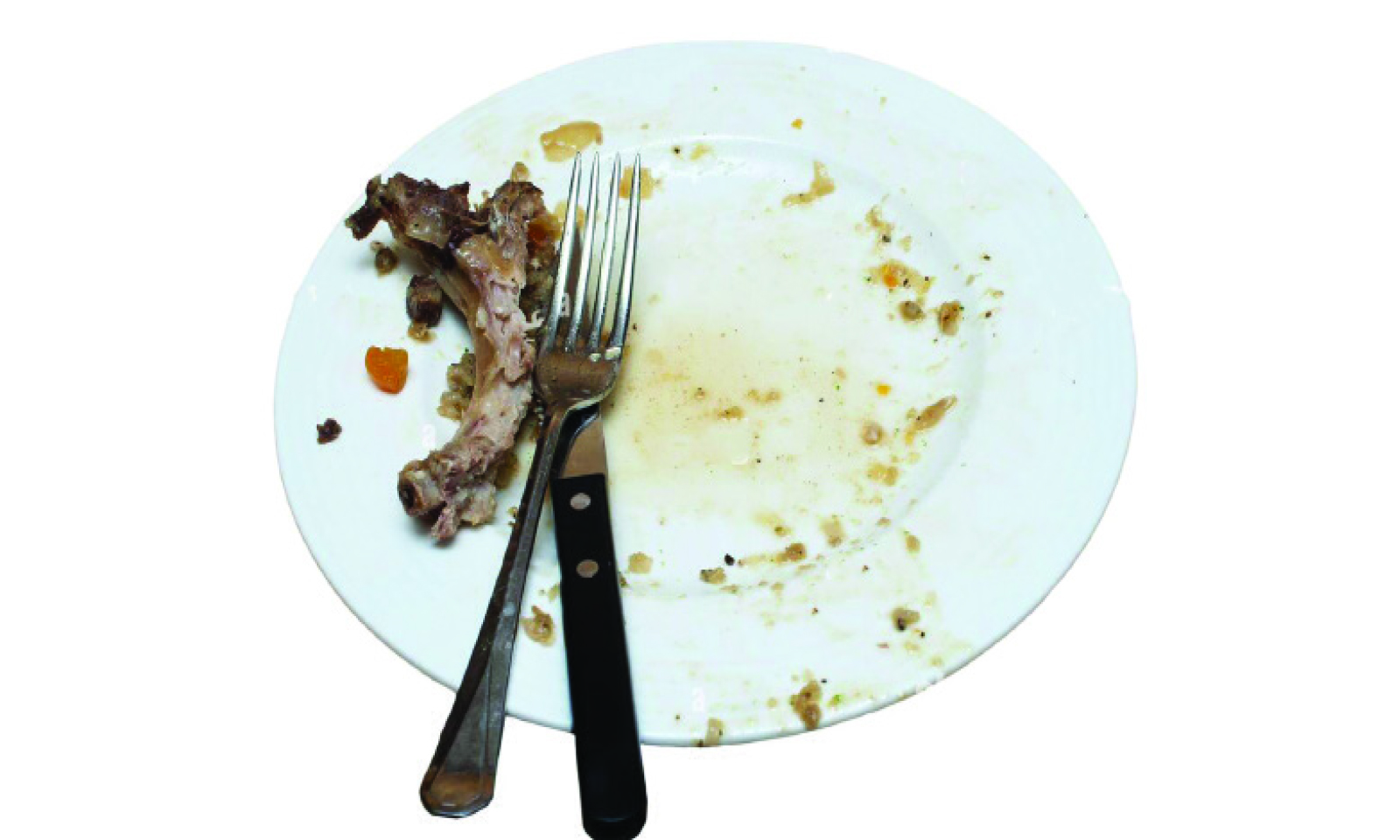
Coach Molly Chuma
Grooming Correspondent
Dining is more than just a daily routine. It is an experience, a form of social interaction and in many settings, a reflection of character and upbringing. Whether at a high-end restaurant, a family dinner, a church banquet or a business luncheon. How you conduct yourself at the dining table speaks volumes. Table manners are not just for the elite or old-fashioned. They are a universal language of respect, elegance and self-awareness.
In an age where speed often overrides civility, reclaiming grace at the dining table is a statement. It shows that you value not only the food but also the company, the moment and yourself. Proper table etiquette is not about being rigid; it is about being considerate. It’s about making everyone at the table feel comfortable and respected.
Let’s begin with the basics. When you are invited to dine, always arrive on time. Punctuality is a sign of respect for your host and the occasion. Before you sit down, wait to be directed or wait until the host is seated. If there is a napkin on your place setting, place it gently on your lap as soon as you’re seated. It should remain there until the end of the meal.
One of the most common questions is: “Which fork do I use?” A simple rule to remember is: work from the outside in. Start with the outermost cutlery and move inward with each course. If you’re ever unsure, discreetly observe the host or other guests.
Always chew with your mouth closed and avoid speaking with food in your mouth. It may seem basic, but these small actions carry great weight. They reflect discipline, self-respect and awareness of others. Avoid reaching across the table. Instead, politely ask for items to be passed. Always say “please” and “thank you” — graceful words that never go out of style.
One forgotten aspect of dining etiquette is posture. Sit up straight, keep your elbows off the table (except between courses) and avoid slouching. Your body language at the table should communicate attentiveness and ease — not haste or disinterest.
For those dining in formal settings, remember that bread is broken with the hands, not cut with a knife. Soup should be sipped from the side of the spoon and the bowl should be tilted away from you to gather the last bit — not brought to your mouth. When you’re finished eating, place your knife and fork side by side on the plate — this signals to the server that you are done.
In group settings like weddings or corporate dinners, it is also polite to wait until everyone has been served before you begin eating. This small gesture shows collective respect. If you must excuse yourself during the meal, do so quietly and place your napkin on your chair — not on the table.
Table manners also extend to conversation. Keep your topics light and inclusive. Avoid controversial subjects, offensive jokes, or dominating the discussion. Good table conversation is like a well-balanced meal — it includes everyone, nourishes connection and leaves a pleasant aftertaste.
Technology at the table is a modern etiquette challenge. Unless absolutely necessary, keep your phone out of sight. Constantly checking your device sends the message that the present company is not important. Honour the moment. Engage with those around you. Eye contact and genuine interest are some of the finest dining companions.
In Zimbabwean culture, meals are often communal and symbolic. From sharing sadza around a large dish to celebrating milestones with festive meals, how we handle food reflects our values. Respect for elders, offering the best portion to guests, washing hands before and after meals — these are all parts of traditional etiquette that still carry relevance today.
Teaching children table manners from a young age not only sets them up for social confidence but also reinforces the family’s culture of excellence. It’s not about perfection; it’s about progress. Even small improvements in etiquette can elevate a person’s self-image and impact.
At The Luminary Institute, we teach table etiquette not just as a skill but as a form of self-leadership. How you eat reflects how you live — do you rush, disregard or neglect? Or do you pause, honour and engage? Every meal is an opportunity to model discipline, presence and grace.
In professional settings, table manners can be the unspoken factor that determines whether someone is seen as promotable or polished. Business deals are often sealed over lunch. First impressions are often made over dinner. Your ability to handle a meal with poise shows that you can handle pressure, details and people.
In closing, table manners are not a luxury — they are a legacy. They show that you were raised with care, that you respect yourself and others and that you carry your values with you, even into everyday moments. In a world that sometimes rushes past the sacredness of mealtime, let us be the ones who pause, honour and uplift.
Because grace at the dining table is more than etiquette — it is elegance in action.
Bon appétit.
Coach Molly is a Confidence, Grooming & Etiquette Coach passionate about helping Zimbabweans present their best selves in life, work, and relationships. Catch this column every Saturday in The Herald newspaper for real-talk guidance, small wins, and stylish glow-ups rooted in our culture.



