Online Reporter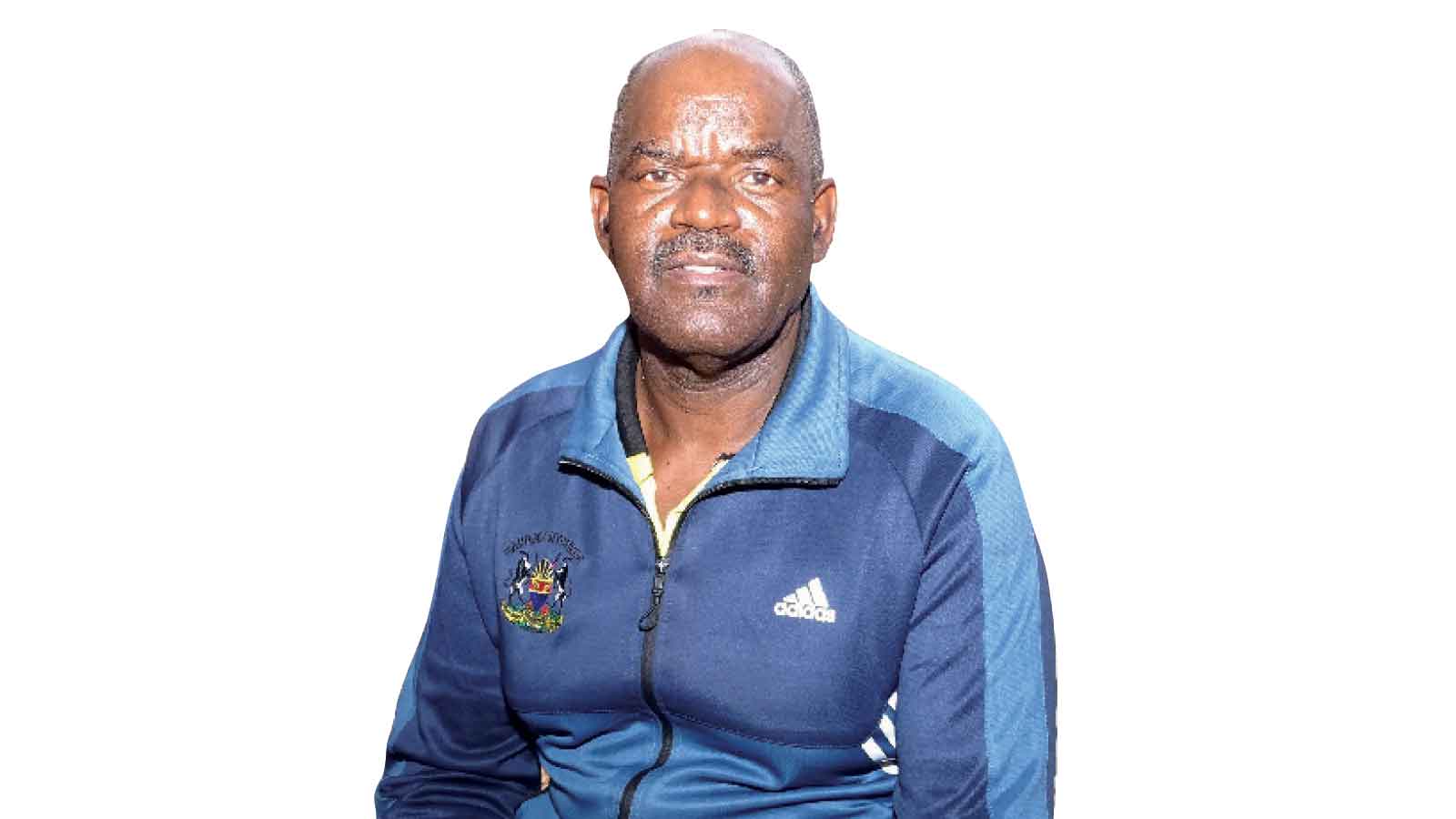
Takudzwa Chitsiga-Zimpapers Sports Hub
THE room settles into silence long before the first move is made.
Inside Chikurubi Maximum Prison, there are no chants, no roaring stands, no scoreboard demanding urgency.
The only sound is the soft click of chess pieces meeting wood, a chair scraping back, a breath held as someone weighs a decision that cannot be undone. Time stretches here. A single game can swallow an entire afternoon.
Brian Takawira walks slowly between the boards, hands clasped behind his back, pausing just long enough to study a position before moving on. The players hardly look up. They are deep inside their own calculations, searching for answers that lie several moves ahead.
This is the place where chess matters most to him. Outside the prison, Takawira lives a quieter life. He is a City of Harare employee who rarely attracts attention.
Inside these walls, he becomes something different. A coach. A guide. Sometimes simply a patient listener. For five years, he has volunteered his time to work with Zimbabwe Prisons and Correctional Service chess teams, helping men and women discover a game that rewards patience and punishes impulse.
He never imagined it would become part of his story. In 2019, when another coach working with inmates was transferred to Bulawayo, the Zimbabwe Chess Federation approached him with a simple request.
Could he step in for a while? The idea unsettled him. Walking into a maximum security prison to teach chess felt heavy, unfamiliar. He hesitated. The players absorbed every instruction, every explanation, as if each detail carried weight beyond the board.
He kept coming back.
Over time the teams began to grow in confidence and strength. Zimbabwe claimed the Behind the Walls Africa Championship in 2019, then stunned many by finishing second behind Mongolia at their first World Championships appearance. Suddenly, a prison programme in Harare had become part of the global chess conversation.
Takawira speaks about those achievements without excitement or flourish. Trophies do not dominate his thinking. He watches a match unfold as he talks, eyes fixed on the board rather than the past.
“The main goal is reintegration,” he says quietly.
His tone rarely rises. He speaks the way someone does after years spent in rooms where concentration is sacred. Chess forces players to slow down. One careless move can undo hours of careful planning. The game asks people to sit with discomfort, to wait, to think before acting.
In a world that rewards speed and reaction, that lesson feels almost radical.
When the final handshake comes, the learning continues. Players explain themselves. Why that move? What was missed? What could have been done differently? The analysis becomes a conversation about choices, accountability, consequence.
Inside prison walls, those ideas land differently. Takawira sees chess as a mirror of life. Every move opens one path and closes another. Sometimes the board looks impossible, the position collapsing.
The only way forward is patience, a willingness to keep thinking when panic would be easier. He has watched players change over time. Conversations evolve from complaints into discussions about possibilities.
He rarely speaks about individual inmates. Privacy matters to him. Still, pride slips into his voice when he talks about their dedication.
Support from the Zimbabwe Prisons and Correctional Service has helped the programme grow.
Management sees sport as part of rehabilitation, a way to reconnect people with structure and purpose.
Chess fits perfectly. It needs little space, no costly equipment, only boards, pieces and minds willing to engage.
For Takawira, the sessions have become routine in the best sense of the word. He arrives, sets up, observes. Some days carry tension, others feel reflective.
There are moments when silence hangs heavily over the room, and others when laughter breaks through without warning, reminding everyone that joy can exist even here.
He came to chess later in life. Unlike many players who chase titles from childhood, he discovered the game as an adult.
Even so, he has quietly built an impressive record, particularly in national over-50 tournaments, collecting honours that few outside chess circles know about.
Recognition does not interest him much. The work does. With Zimbabwe preparing for another Africa Behind the Walls tournament in March, which doubles as qualification for the World Championships in September, the sessions have taken on fresh intensity. Matches run longer.
Focus sharpens. Every mistake becomes a lesson for the next challenge.
Takawira knows the spotlight will return briefly when the tournament begins. Cameras might come. Headlines might follow. Then, just as quickly, the attention will fade.
That never worries him. He has learned that meaningful work is rarely loud.
On a chessboard, kings fall, queens are sacrificed and fortunes change with a single decision.
The game teaches that no position is permanent, that patience can reshape even the most difficult situation.
When a long match finally ends, players stand slowly, stretching, replaying moments aloud with animated voices. No one rushes for the door.
They linger around the board, still thinking, still learning.
Takawira watches them with a small smile, gathers his notebook, and prepares for the next session.