Online Reporter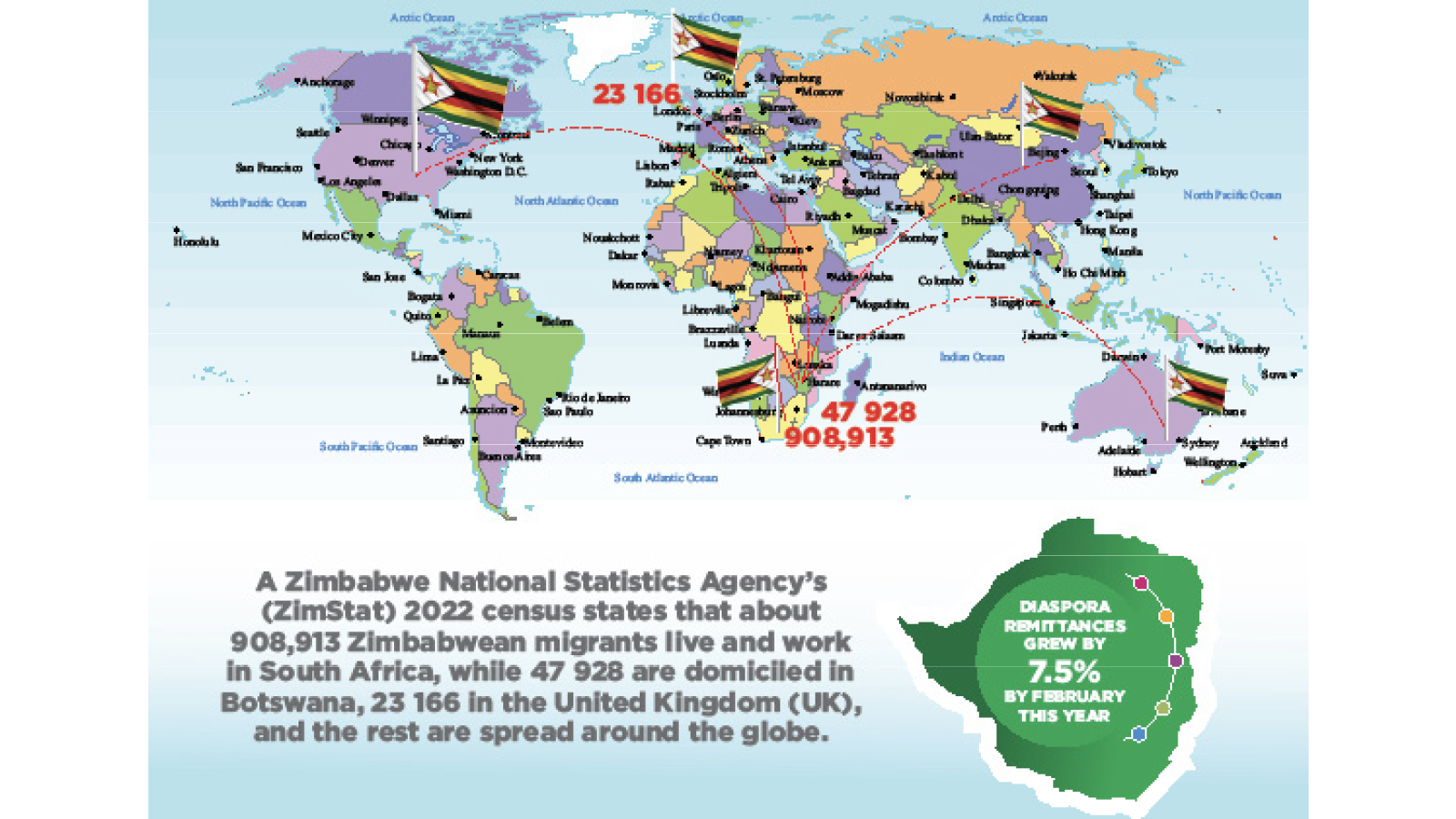
Conrad Mwanza
As founder of the Zimbabwe Achievers Awards (ZAA), I have spent more than a decade working closely with our communities across the globe.
IN that time, one truth has consistently stood out: The Zimbabwean diaspora is patriotic, passionate and deeply connected to home.
Even after years abroad, Zimbabweans remain committed to their families, communities and country. They remit funds to support education, healthcare, small businesses and household needs. They invest in property, return for holidays and actively promote Zimbabwe internationally. Their loyalty is not just emotional — it is financial and developmental.
A US$5 billion opportunity
According to the Reserve Bank of Zimbabwe, formal remittances reached US$2,2 billion in 2023, placing them among the country’s most important sources of foreign currency.
Yet this figure tells only part of the story.
When informal transfers and holiday spending are factored in, the value of the diaspora economy is estimated at US$5 billion annually.
To put this into context, that figure is close to double Zimbabwe’s annual national budget.
It also surpasses the scale of most foreign direct investment inflows in recent decades.
It is steady, resilient and rooted in family and community ties. In many ways, the diaspora is already Zimbabwe’s most reliable investor.
What is now needed is a way to channel this contribution into structured platforms that can multiply its impact for national development.
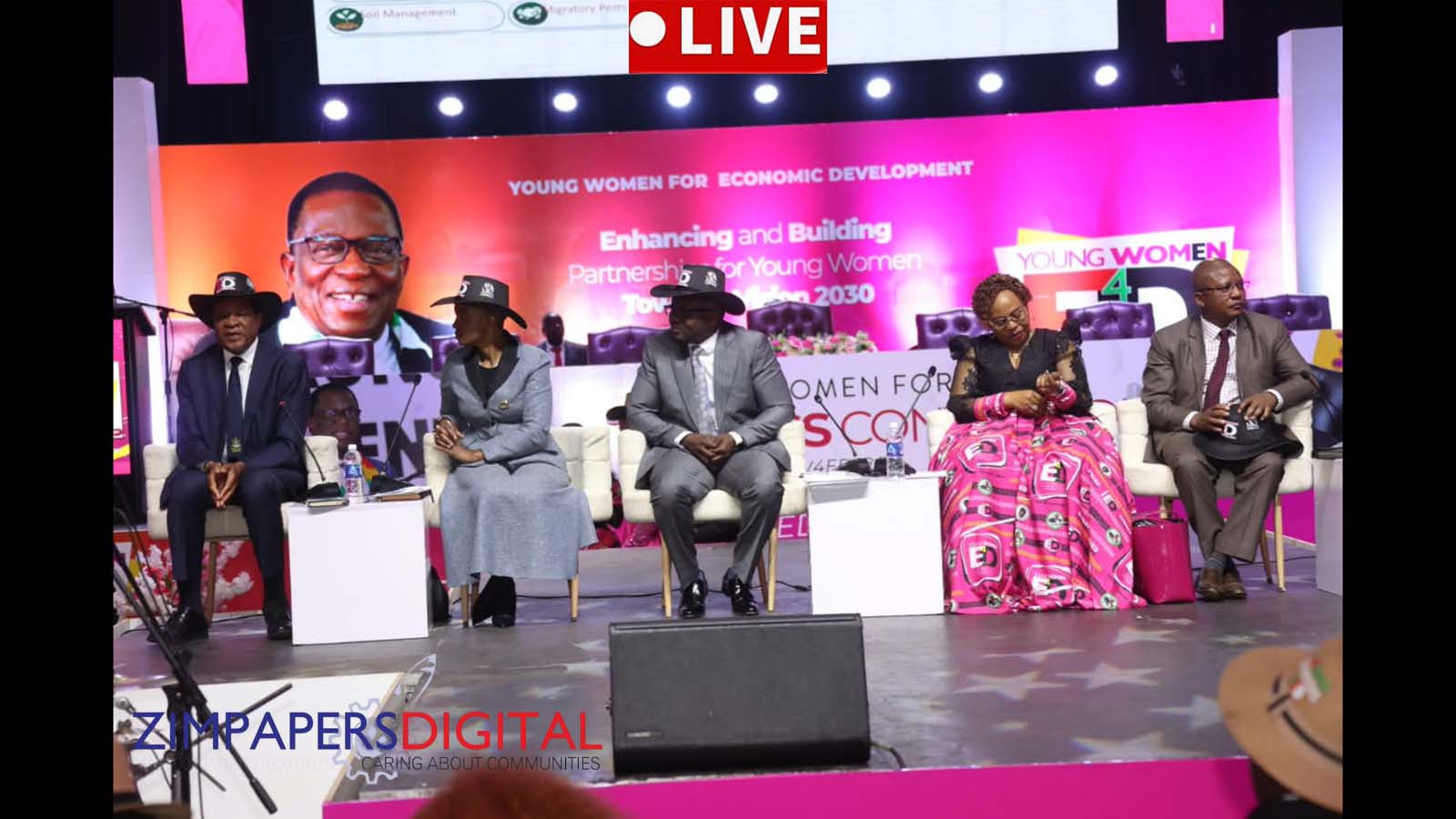
This vision was at the heart of the recently held Diaspora Forum and ZAA Global Awards in Harare, hosted in association with the African Union (AU), the African Development Bank (AfDB) and the International Organisation for Migration (IOM).
The event also received strong support and participation from the Government of Zimbabwe, whose presence underlined the importance of the diaspora to national development.
The forum provided a rare and valuable platform where Government officials, development partners, business leaders and the diaspora could exchange ideas on how to build safe and effective investment channels. These organisations — the AU, the AfDB, the IOM and the Government — all share a common understanding:
Scale of resources — Africa’s diaspora sends back over US$95 billion annually, according to the World Bank. This is larger than aid flows and a reliable source of development finance.
Need for safe platforms — There is consensus that remittances and investments should be channelled through secure, transparent and effective mechanisms that support both households and long-term development.
Catalyst for growth — Beyond money, the diaspora brings knowledge, skills and international networks that can help African economies integrate more deeply into global markets.
For Zimbabwe, the Harare forum marked a significant step forward in recognising the diaspora as a central partner in economic transformation.
Lessons
Around the world, countries have successfully tapped into their diaspora communities to drive growth. Below are examples of these nations.
Nigeria: In 2017, Nigeria raised US$300 million through a diaspora bond listed in both London and Lagos, showing strong investor confidence from Nigerians abroad.
Ethiopia: Contributions from Ethiopians abroad helped finance parts of the Grand Renaissance Dam, one of Africa’s most significant infrastructure projects.
India: For decades, India has raised billions through diaspora investment schemes and bonds, particularly during times of economic need.
These models demonstrate the potential of structured diaspora engagement.
Zimbabwe can draw lessons from them while tailoring solutions to our own unique context.
Practical pathways
Several practical steps could help Zimbabwe harness the full potential of the diaspora economy:
Diaspora bonds and
investment funds
Targeted financial products that enable Zimbabweans abroad to invest in infrastructure, housing, energy and agriculture.
Tailored financial services
Diaspora-friendly bank accounts, mortgages and pension schemes designed to encourage long-term capital inflows.
Business-friendly processes
Streamlined systems that make it easier for the diaspora to invest in businesses, property and development projects back home.
Skill and knowledge exchange
Platforms that link professionals abroad with local institutions, enabling mentorship, innovation and technology transfer.
Diaspora engagement hubs
Dedicated structures that connect the diaspora with opportunities, ensuring their contributions align with national priorities.
Public-private partnerships (PPPs)
Large-scale infrastructure, housing and energy projects can be co-financed by the Government, private sector and the diaspora through structured PPP models. This spreads risk, ensures sustainability and allows diaspora capital to plug directly into national development priorities.
Call to action
The diaspora economy is not an abstract concept — it is already here, contributing around US$5 billion every year.
What remains is to align this immense resource with structured national development goals.
The success of the Harare forum demonstrated that the diaspora is ready to contribute, global development partners are prepared to support and Government is committed to creating enabling conditions.
The AU, the AfDB and the IOM have made it clear: Engaging the diaspora is one of the most strategic opportunities for Africa’s future.
Zimbabwe’s greatest foreign investor is not an external corporation — it is Zimbabweans themselves.
If we create the right frameworks, our global community can become the backbone of Zimbabwe’s economic transformation.
The time is right. The potential is clear. The partnerships are already forming.
What is needed now is decisive action to ensure the diaspora economy becomes the foundation of Zimbabwe’s growth story.
Conrad Mwanza is the founder of Zimbabwe Achievers Awards.