


 Vusumuzi Dube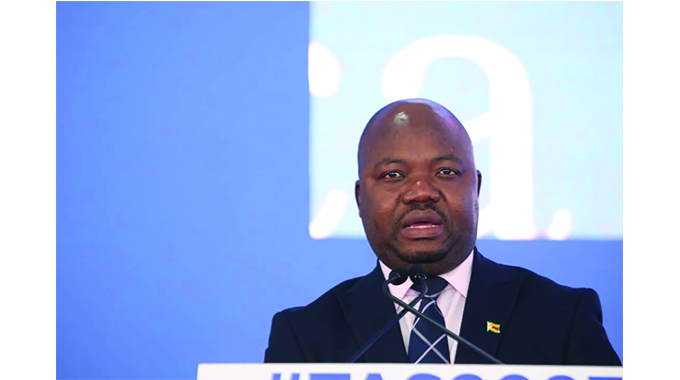
Leonard Ncube and Caroline Mutsawu in Victoria Falls
THE 6th edition of the Transform Africa Summit (TAS) ended in Victoria Falls on Friday with member states reiterating the need to intensify collaborations and partnerships to drive the digital transformation agenda.
Zimbabwe beat Congo Brazzaville and Mauritania to host the first TAS outside Rwanda which hosted the previous five editions. Smart Africa Alliance which organises TAS has 36 members and welcomed Eswatini as the 37th while Botswana and Gabon will join before the end of the year as the bloc that was established a decade ago continues to grow.
A number of Memoranda of Understandings were signed on the sidelines of the summit. Speaking at the closing ceremony, Smart Africa chief executive Mr Lacina Kone said TAS 2023 was not only historic because it was the first to take place outside of Rwanda, but had also improved relationships among member states and Smart Africa.

“This year’s summit gathered five Heads of State including a King, 44 ministers and around 4 000 delegates from 91 countries. This is a testimony of Africa’s political commitment at the highest level in our actions for the digital transformation of our continent. Numerous partnerships also materialised on the sidelines of the summit including MoU signing with the AfCFTA Secretariat to enhance collaboration in information, communication and technology to develop a single digital market for Africa within the African Continental Free Trade Area,” he said.
One of the key MoUs was signed between Smart Africa and Internet Society to engage in activities to connect rural communities, with some projects by Internet Society already being implemented in Zimbabwe.
Internet Society senior policy advisor for Africa Mr Verengai Mabika said the MoU will enhance collaborations on extending internet connectivity into areas that are not connected thereby building community networks, do internet resilience measurements in Africa and capacity build in all member states.
“This MoU is going to be strategic in the African region. We want to explore the growth of community networks and to date we have built 17 community networks in Africa. Zimbabwe is at a very strategic position and one of the four countries that have launched community network in Murambinda working with Potraz,” said Mr Mabika.

Internet Society has 32 member states in Africa and Is working with African Union to do internet exchange points with a view to enhance digital markets in the continent.
Internet Society Zimbabwe president Mr Jasper Mangwana said the MoU will speed up a number of activities including policy formulation that the society has been driving in Zimbabwe. The Internet Society has worked on enactment of a Statutory Instrument Domain Name System Registry through Potraz and helped in formulation of the Cyber Security and Data Protection Act.
“These are some of the activities the Internet Society is doing to educate, collaborate and support Zimbabwe to attain its vision 2030,” said Mr Mangwana.
He said Zimbabwe was well developed in terms of community networks and plans are underway to establish three more this year. Rwanda Minister of ICT and Innovation Paula Ingabire said the summit was successful and identified areas of concern such as affordability of the internet, adding that the continent can draw lessons from Zimbabwe’s digital transformation agenda which has made the country a pacesetter in the region.
The need to accelerate the implementation of digital transformation and harmonization of systems in the continent was topical.
In his closing remarks, ICT, Postal and Courier Services Deputy Minister Dingumuzi Phuti said investing in ICT can lower levels of corruption, improve revenue collection efficiencies and facilitate cross border trade. The major takeaway from this summit is the need to collaborate and find solutions not only as Africa but with pother partners. It is very important to make deliberate efforts to make sure girls participate in digital transformation as only 17 percent of women are employed in the sector.

So, we should digitise to make sure there are no barriers in Africa,” he said.
Deputy Minister Phuti said the continent is tapping from what has been done elsewhere.
He said Zimbabwe is doing very well as a country riding on President Mnangagwa’s vision and policy of engagement and re-engagement which has seen the country being given the mandate to drive smart agriculture in the continent.
“All this rides on the pedestal that has been created by President to say we are friends to all and enemy to none. Zimbabwe is in charge of a blueprint called Agritech and we are proud to say we have been given an accolade for what we have done so far and that’s the pillar we have gotten from the President to say we should be food sufficient and an exporter,” said the Deputy Minister.
The theme of the Summit was: “Connect, Innovate and Transform.”



 Bongani Ndlovu
 Online Reporter