Online Reporter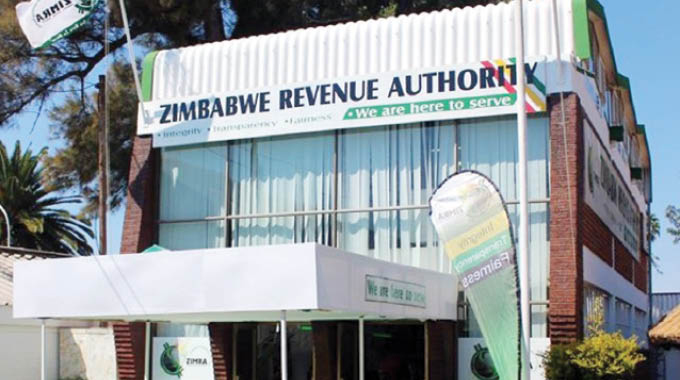
ZIMBABWE has been making huge strides in its economic development, and one of the most pressing issues facing the nation is the widening gap in tax compliance between the formal and informal sectors.
The announcement by the Zimbabwe Revenue Authority (Zimra) to target e-hailing services such as InDrive and digital Bed and Breakfast (BnB) platforms is not just a regulatory move — it’s a wake-up call to all economic players that the days of operating tax-free are numbered.
For years, the informal sector has been the backbone of Zimbabwe’s economy, employing millions and providing essential goods and services. However, its contribution to the national fiscus has been disproportionately low. While formal businesses are subject to rigorous tax obligations, many informal operators have continued to trade without registering, without invoicing, and without paying a single cent in taxes. This imbalance is not only unsustainable — it’s unfair.
Zimra’s strategy to expand its tax net to include digital platforms is both progressive and necessary.
The rise of the gig economy, fuelled by mobile apps and online marketplaces, has created new income streams that are largely unregulated.
E-hailing drivers, BnB hosts, and other digital entrepreneurs are earning revenue from Zimbabwean consumers, often without any formal registration or tax declaration. Zimra’s Commissioner for Domestic Taxes, Mr Misheck Govha rightly pointed out that “every trader benefiting from the Zimbabwean market must contribute their fair share to the fiscus.” This principle must apply universally — whether one operates from a high-rise office in Harare or a smartphone in Bulawayo.
The upcoming launch of Zimra’s e-commerce platform in 2026 is a bold step toward formalising the digital economy. It promises to streamline tax registration, improve compliance, and ensure that even international operators profiting from Zimbabwean markets are held accountable. This is not about stifling innovation or punishing entrepreneurship — it’s about creating a level playing field where everyone contributes to national development.
Taxation is the lifeblood of any functioning state. It funds roads, schools, hospitals, and public services.
When only a fraction of the population pays taxes, the burden becomes unbearable for the few who do. Worse still, it limits the Government’s ability to invest in infrastructure, social welfare, and economic growth. By broadening the tax base, Zimbabwe can reduce reliance on external borrowing and build a more resilient, self-sustaining economy.
Of course, Zimra must also play its part by simplifying tax processes, improving transparency, and educating citizens about their obligations. Many informal traders operate outside the tax system not out of defiance, but due to lack of awareness or fear of bureaucracy. The new Tax and Revenue Management System (TARMS) is a welcome development that could make compliance easier and more accessible.
Ultimately, tax compliance is not just a legal requirement — it’s a civic duty.
Every citizen who earns an income, whether through formal employment, informal trade, or digital platforms, must recognise their role in building Zimbabwe. The message is clear: if you benefit from the Zimbabwean economy, you must contribute to it.
Let us move forward together — formal and informal, urban and rural, digital and traditional — towards a fairer, more inclusive tax system. Because when everyone pays their fair share, everyone benefits.