admin
admin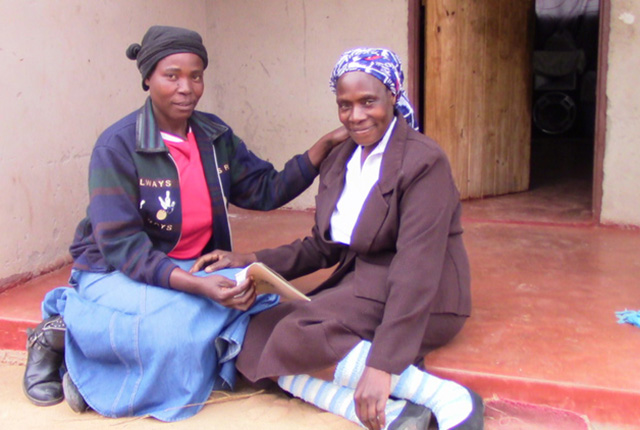
Hazvinei Mwanaka : Review Correspondent
It is not easy to take care of someone who has suffered from a disease that you have never encountered before. It comes with a lot of challenges. This, however, did not deter 37-year-old Christine Madamombe of Chinjiva Village in Chivi who chose to defy the odds by nursing her sick aunt. “I still remember when my aunt was not feeling well, we accompanied her to the hospital and she tested positive for TB.“At first I didn’t know how I was going to cope, but after lectures from health officials about the disease and on how we should take care of my aunt, as well as the food she was supposed to eat, everything else became easy,” said Madamamombe.
Madamombe’s aunt, Pauline, who is also living positively with HIV, had already disclosed her status to her family which made it easier for her family members to accept her.
“My aunt is a very strong woman. She had accepted her condition, and what was left was for us to do was accept her situation as well and show her our love,” she said.
Madamombe wakes up early every morning, makes porridge for her aunt before giving to her her morning pills and cleaning the room she sleeps in.
“We were taught that they should eat healthy food and to stay in a clean environment. Because of this we mop the house with water and soap and we also make sure that there is enough ventilation in the room she sleeps in, not forgetting to always wash her clothes and blankets,” Madamombe said.
According to Madamombe, she made a policy of giving her aunt food on time and ensure she bathes everyday but mostly she said they give her enough time to sleep.
“As time went on her health improved, she gained weight and it was a surprise to many since she seemed a lot better. We also made sure that we had regular chats with her so that she could feel valued,” said Madamombe.
She added that as a family they would sit down with Pauline and give her counselling which she thinks made her stronger during her TB treatment.
As advice to other people taking care of TB patients, Madamombe said they should show love and patience. She also stressed the importance of encouraging those with TB to accept the assistance that they are given.
“It’s good to always encourage them to visit the clinic for reviews, and find projects for them that keep their mind occupied and feel appreciated. My aunt Pauline loves reading the Bible and praying so we always supported her with this,” she said.
TB Union director Dr Christopher Zishiri said the Ministry of Health and Child Care has strengthened the community component on TB care and support.
“Village health workers are being trained in patient management. During their visits to the patients’ households, the Village Health Workers take time to orient and educate the members of the family on how to take care of their patients, how to prevent the transmission of TB and monitor adherence,” he said.
He added that this helps in instances where the health worker is not available for a routine visit as the family will be empowered to take care of their sick ones.
Dr Zishiri, however, noted that more can still be done in terms of community campaigns and even distribution of relevant educational materials so as to widen the reach of people with knowledge.
Zimbabwe National Network for People Living with HIV, Masvingo provincial coordinator Morgen Changamire said family members have enough knowledge on the care of people living positively as well as being treated for TB.
“Through capacity building strategies including training communities on TB prevention, treatment, care and support,” he said.
He pointed out that government can assist further by providing more financial resources to intensify the TB programmes and engage other organisations for financial support.
“Government should also introduce the TB levy just like HIV, everyone will collectively own the problem,” he added.
The deputy director of the HIV, Aids and TB Unit in the Health and Child Care ministry, Dr Charles Sandy said to ensure adherence in rural areas family members of the patient are given information on monitoring treatment adherence.
“Trained family members are important in this exercise as they live with the patient and his/her full recovery is important to them,” he said.
According to UNAIDS, globally, 9.6 million people fell ill with TB in 2014 and 1.5 million died of the disease. TB also remains the leading cause of death among people living with HIV, accounting for one in three AIDS-related deaths every year – around 390 000 of 1,2 million AIDS-related deaths in 2014.



 Online Reporter