Chronicle Editor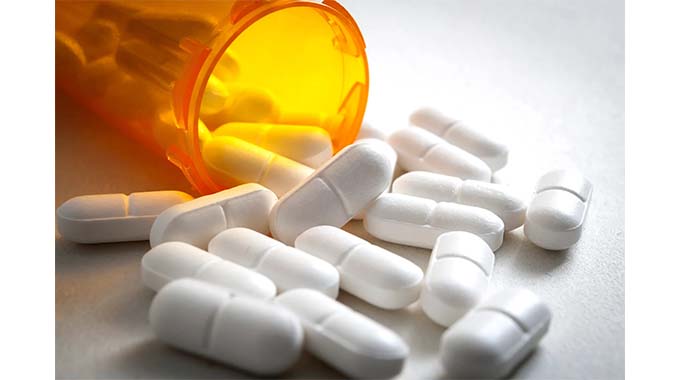
Thandeka Moyo-Ndlovu, Health Reporter
ZIMBABWEANS suffering from tuberculosis (TB) will now be able to access a new fixed-dose combination (FDC), a short-course combining two drugs rifapentine and isoniazid.
This will reduce the number of pills that need to be taken weekly from nine to three.
The country is part of the five TB high burdened nations in Africa that were earmarked to benefit from the treatments which will be accessed by three million patients.
Unitaid, the Clinton Health Access Initiative (CHAI) and the manufacturer of the FDC, Macleods, agreed to offer a ceiling price of US$15 for a three-month patient course of weekly rifapentine and isoniazid.
About 62 percent of people with TB have HIV in Zimbabwe and in December last year, the Government said it would roll out a new preventive therapy this year as a strategy to fight the disease.
TB treatment coverage has increased by 13 percent in Zimbabwe during the past five years and now stands at 83 percent, up from 70 percent in 2014, showing that the interventions being rolled out are bearing fruit.
Zimbabwe is one of eight countries in Africa in the top 30 countries with high TB, TB/HIV and DR-TB burden in the world.
At least 242 new cases of TB are being registered per 100 000 people in Zimbabwe, with HIV being the major driver of TB, with an estimated 60 percent co-infection rate.
The year 2020 was a hard year for TB prevention and treatment as many services were disrupted by the Covid-19 lockdown.
In a statement, Unitaid, the leading organisation in the disbursement of the drug said the short course will help in treating TB, estimated to affect one quarter of the world population by broadening access to shorter and easier-to-use preventive therapies.
“A tuberculosis (TB) preventive treatment (TPT) is starting to be rolled out in five TB high burden countries in Africa to reduce the number of pills that people who need the treatment have to take every week from nine to three. Enough treatments for up to three million patients are expected to be made available for eligible countries this year,” read the statement.
“Thanks to the IMPAACT4TB project funded by Unitaid and led by the Aurum Institute, five countries from a total of 12 targeted by the end of the year, will start providing the FDCs in February and March 2021 and these are Ethiopia, Ghana, Kenya, Mozambique and Zimbabwe.”
Unitaid also said the World health Organisation (WHO) welcomed the new fixed-dose combination TB preventive treatment that will result in reducing the pill burden for people with TB infection, enabling better adherence and outcomes.
WHO director of Global TB programme Dr Tereza Kasaeva said people with TB infection, often dubbed latent, have no symptoms, are not contagious and most do not know they are infected.
He added that without treatment, five percent to 10 percent of these people will develop active TB, the form which makes people sick and can be transmitted from person to person.
“This collaboration between Unitaid, the Clinton Health Access Initiative and manufacturers has been vital to support the uptake of TB preventive treatment as recommended in WHO guidelines. We now look forward to national programmes supported by donors and partners to scale-up access to TB preventive treatment and reach the UN High-Level Meeting targets,” said Dr Kasaeva.
“The agreement establishing the US$15 price and other access conditions was concluded by Unitaid, the Clinton Health Access Initiative (CHAI) and Macleods. The price will be available to Government institutions in 138 low and medium-income countries as well as for the international organisations in charge of the procurement.” — @thamamoe



 Online Reporter