admin
admin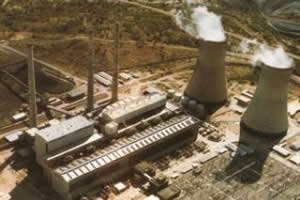
generation at Kariba Hydro and Hwange Thermal power stations.
The power outage also affected water supplies in Harare. Zimbabwe Power Company board chairman, Mr Richard Maasdorp, yesterday said early indications were that technical problems on transmission lines from Mozambique caused the temporary shut down of the two power stations.
“It is with regret that I advise of the sudden ‘shut down’ of both our major sources of generation at 0625 hours this morning (yesterday).
“This was caused by a major system disturbance (system instability) on the transmission network. Early indications are that this disturbance originated from the transmission line from Mozambique.
“It would appear that this was a severe shock as it also impacted on the Kariba North Bank station (Zambia),” Mr Maasdorp said in a statement.
The ZPC chairman said the problem will be resolved in the next few days.
“When the stations are subjected to these exogenous shocks the first step is to look for collateral damage before sequentially bringing units back on line. “It is hoped that units at Kariba can be brought back over the next 24 hours. Hwange takes a few days and this period may have to be extended due to scarcity of diesel in the country,” he said.
Harare City Council spokesperson, Mr Leslie Gwindi, yesterday said the electricity outage had affected pumping capacity at Prince Edward Pump Station.
“The power cuts resulted in us having a problem at Prince Edward and this has affected our water pumping system. We inquired with Zesa and they said the problem had originated from the national grid,” Mr Gwindi said.
The latest problems are likely to worsen electricity supply to consumers. Zesa is struggling to provide adequate electricity to both domestic and commercial consumers.
The power utility is currently courting investors to expand the power stations at a cost of US$2,5 billion.
The expansion drive will see Hwange generating an additional 600 megawatts to the 920 megawatts it is currently producing while Kariba will boost its generating capacity by 300 megawatts. Zimbabwe requires approximately 2 200 megawatts but is failing to produce enough and has resorted to importing from neighbouring countries and load shedding.



 Online Reporter