Online Reporter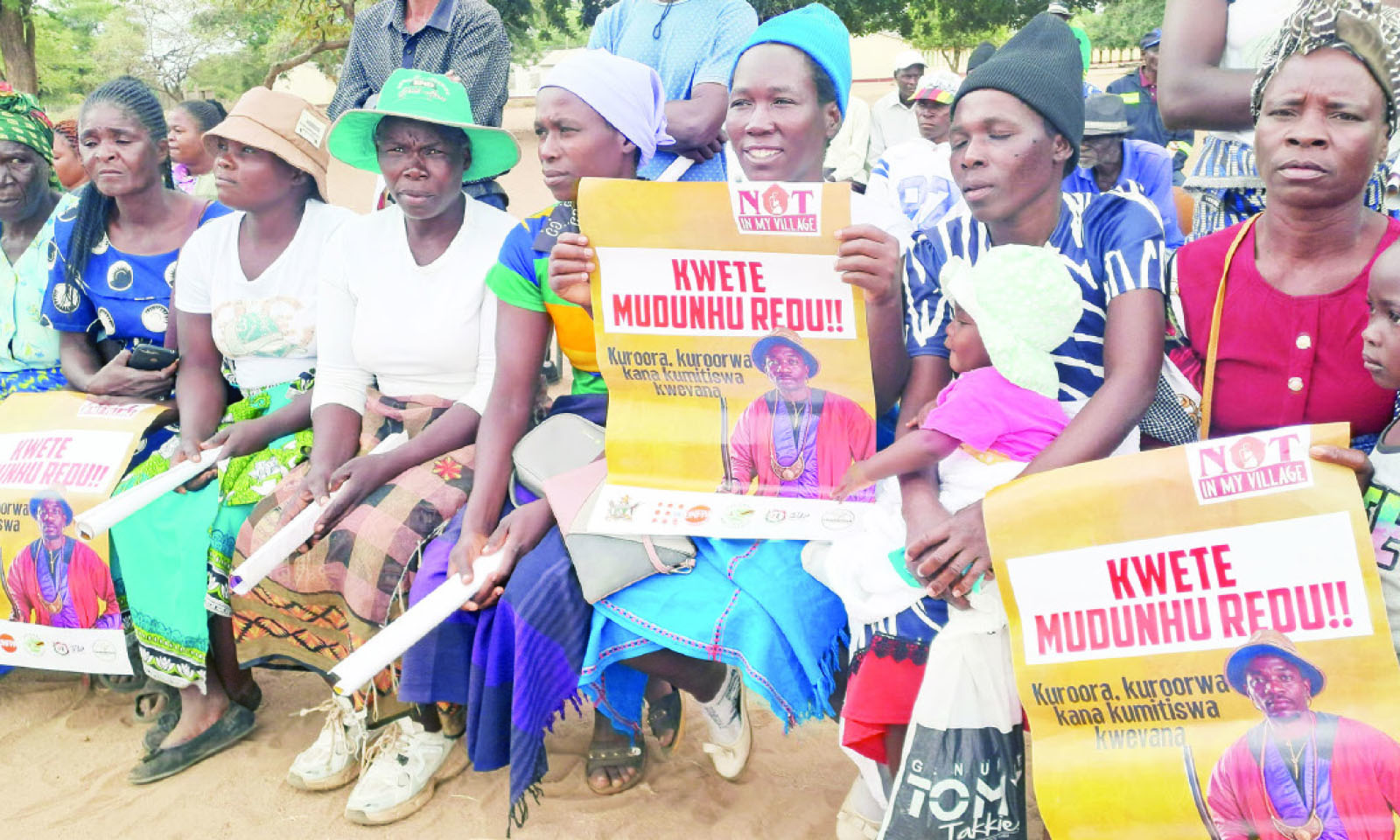
Fungai Lupande
Herald Reporter
AT just 13 years old, Memory was still in Grade 3 when she became a mother, in her rural village near the border with Mozambique.
Many assumed her attempt at getting an education was over, but today, she sits in a classroom again, her baby swaddled on her back, notebook open — determined to rewrite her future.
Memory is one of 45 teen mothers in Muzarabani, who have been given a second chance through Zimbabwe’s school re-entry policy, a lifeline for girls who once believed motherhood meant the end of their education.
Muzarabani, a drought-prone district in Mashonaland Central Province, has long battled early marriages, teen pregnancies and school dropouts.
Poverty drives families to marry off daughters, while cultural norms treat 15-year-olds as adults.
Schools here have introduced breastfeeding breaks, flexible schedules and community counselling to help teen mothers return.
At Kapembere Secondary School, two young mothers attend classes while caretakers mind their babies nearby.
“I was ashamed when I got pregnant,” whispers Tarisai Bande (17), a Form 4 student. “But my teachers came for me. They told me, ‘Your story doesn’t end here.’”
Behind this transformation is CAMFED (Campaign for Female Education), which provides each teen mother with US$150 to start income-generating projects — like poultry farming or goat rearing — to support their babies and schooling.
“The money helps buy diapers, books and uniforms,” says Shumirai Chiunya, a Ministry of Education remedial tutor. “But more than that, it teaches them entrepreneurship — so they don’t depend on men who might exploit them.”
The National AIDS Council (NAC) has amplified the message through its “Not in My Village” campaign, holding roadshows to end child marriages and sexual abuse.
“Some village heads used to hide these cases,” says Chief Muzarabani, sternly. “Now, we fine them. Our girls must be protected.”
The data is grim: 1 154 girls aged 15-19 in Muzarabani booked antenatal care in 2023 — some as young as 10. Many face HIV risks because they cannot negotiate safe sex.
But there is hope. School dropouts have dropped from 45 to 25 this year.
Not every story has a happy ending.
Mercy Muchero (not here real name), forced into marriage, now watches her peers go to school while she tends to her baby at home. “I wanted to be a journalist,” she says, tears in her eyes.
But for girls like Tarisai, the second chance is everything. “When I hold my baby and my pen,” she says, “I know I’m fighting for both of us.”
As the sun sets over Kairezi Village, Memory rocks her child and traces her fingers over her textbook. She may have been a child bride, but she refuses to be a statistic.