Online Reporter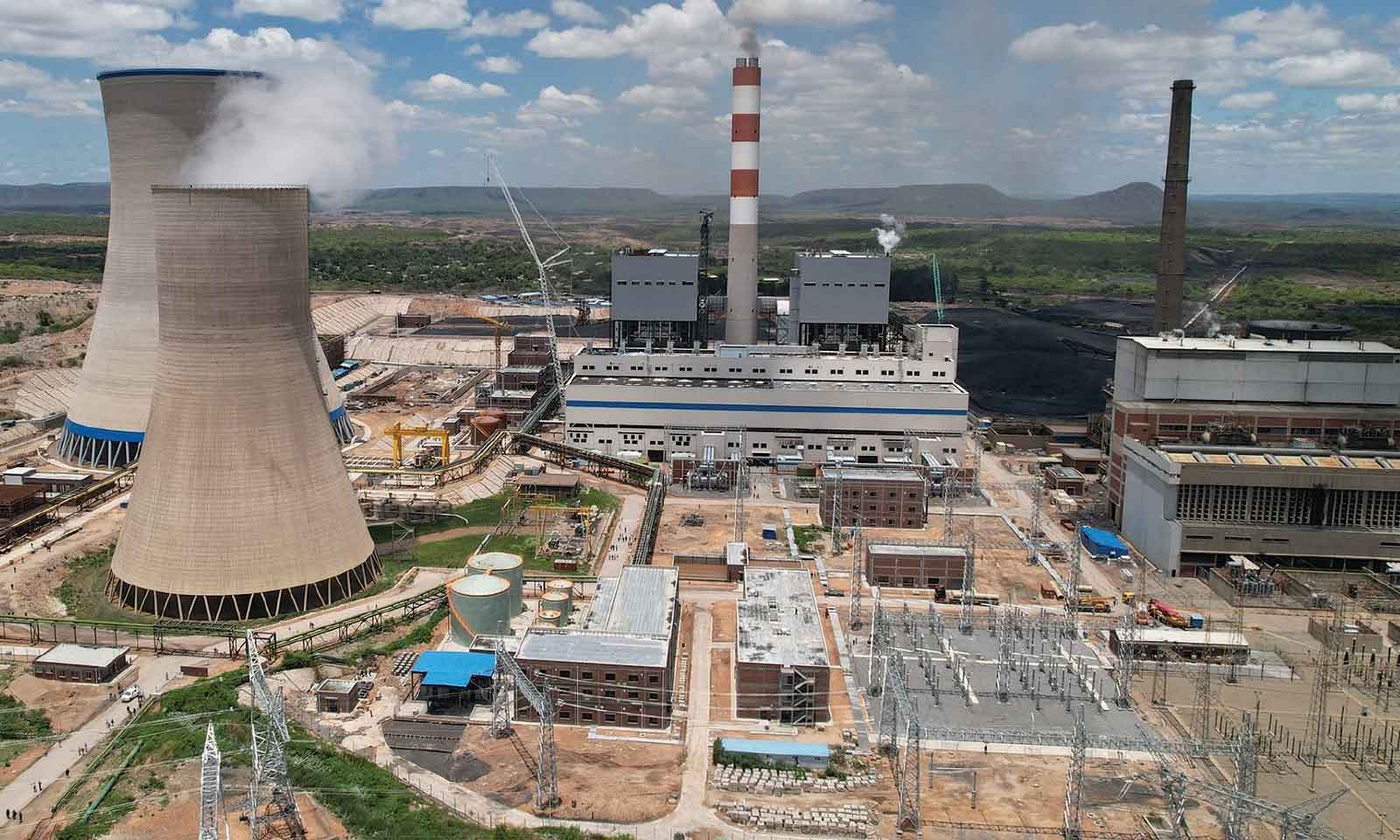
Winter always increases demand for electricity, both through the use of heaters by commercial and domestic consumers and through the additional energy needed to heat water to usable temperatures in geysers.
Therefore, Zesa’s ability to maintain electricity supplies without load shedding this year is a welcome achievement.
While imports help, they remain remarkably low, reaching a maximum of around 150MW during the day. That maximum is usually reached during the early morning and late afternoon peaks, when demand from industrial and domestic consumers overlaps.
The overwhelming bulk of generation comes from Hwange Thermal Power Station, Kariba South Hydroelectric Power Station and increasingly, solar energy.
Major catch-up maintenance work, new generation capacity and decent rains last season in the Lake Kariba catchment mean that Hwange and Kariba South are averaging around 1 600MW, according to the Zimbabwe Electricity Transmission and Distribution Company (ZETDC).
Zesa is almost certainly able to go beyond this total during peak periods, cutting back during very low-demand periods, such as the middle of the night, through the intelligent use of Kariba South. That station has a capacity of 1 050MW, although one turbine-generator unit is under maintenance.
While improved inflows into the lake this year have seen the ration set by the Zambezi River Authority rise to an average of 500MW, the excess generation capacity allows a fair amount of careful demand management.
Zesa can therefore use a larger portion of its daily allocation during high-demand periods and reduce output below the average during quieter periods.
This is one of the great advantages of a hydro station: a turbine-generator unit can be switched on and off within a few minutes without any risk of wear or damage, unlike the one to two hours needed to shut down or start up a boiler at a coal-fired power station.
Even then, most engineers prefer to keep thermal units running or shut down for extended periods.
Hwange has benefited not only from the fairly recent commissioning of Units 7 and 8, which are operating well, but also from refurbishment work on the older six units.
The 220MW Unit 6 underwent an extensive overhaul during the first six months of the year and came back online just in time for the worst of winter last month.
The fact that Hwange is now able to generate around 1 100MW as a matter of course demonstrates the contribution that catching up on essential maintenance is making.
Solar power was, even a year ago, only a minor addition to the grid, contributing around 50MW. However, privately owned power stations, mostly solar, are now adding 175MW, with a further 100MW coming from the net metering of solar installations primarily intended for the owners’ use, but with spare capacity made available to the grid.
Net metering allows solar users to sell surplus electricity to ZETDC when available and buy electricity at other times, paying only the balance between what they buy and what they sell.
In addition, rooftop solar systems are becoming increasingly common on houses, flats and commercial premises, reducing demand for ZETDC power among users, although many still require supplementary power, especially for heating during winter. Despite this, ZETDC is coping well.
This progress towards the end of load shedding comes amid strong economic growth and expanding irrigation.
As a result, the productive sectors of mining, industry and agriculture are consuming more electricity, yet that power remains available despite rising demand.
The high rate of economic growth in Zimbabwe, coupled with the need for uninterrupted electricity supplies, means that generating capacity must be added to the grid at a rapid pace, doubling every five years according to some estimates.
Continuing the refurbishment of older units at Hwange will add a little over 400MW, but the bulk of the additional capacity required must come from new power stations.
For around a year, the capital cost of solar energy has been lower than that of coal-fired generation when it comes to new generating capacity, and the gap continues to widen.
We can therefore expect most new capacity to be solar.
This will also help reduce Zimbabwe’s carbon footprint as the country continues to expand its industrial base.
Electricity users need to think continuously about efficiency, especially now that tariffs are set at levels that make economic sense and generate capital for both new power stations and the maintenance of existing stations and the grid. Significant savings are possible when consumers focus on controlling costs.
The legal changes requiring all land developers to install electricity infrastructure, including transmission lines, hubs and substations, also open the door to innovation. Property developers could, under the new system, add solar generation as a value-added feature and use net metering to recover some of the additional costs associated with the new requirements.
Other options exist for generating revenue through added capacity, including private networks, which mining companies, for a start, may find attractive when establishing towns but do not wish to be involved in running shops, vehicle repair services, bars and other amenities.
They can simply establish the local grid and charge ZETDC rates.