Chronicle Editor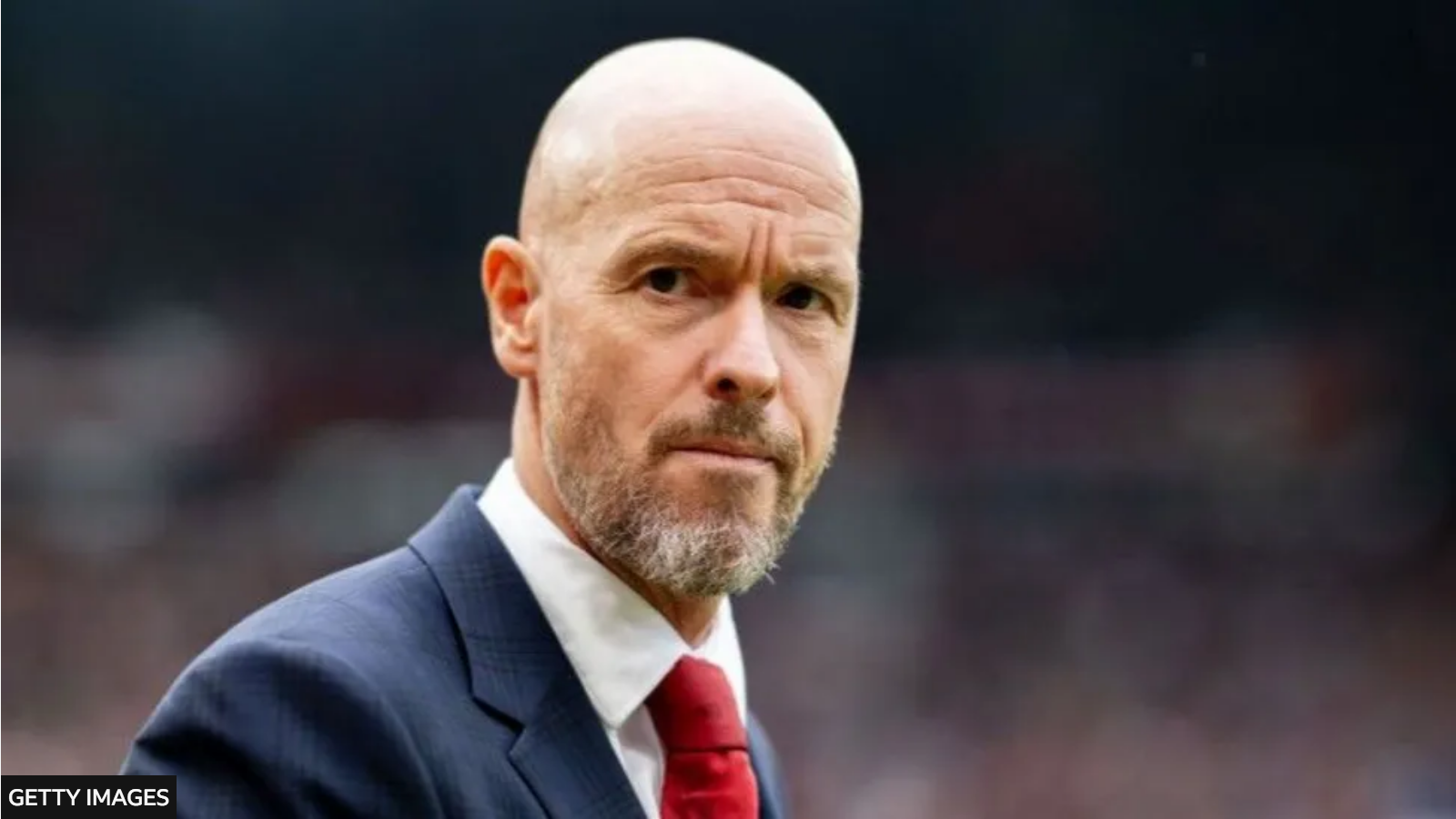
Following the news that Erik ten Hag’s time at Manchester United is at an end, Adam Bate examines why that memorable FA Cup win at Wembley masked a lack of progress at Old Trafford as the situation went from bad to worse in his third season in charge.
Erik ten Hag’s attempts to style himself as the second-most successful manager in English football during his time at Manchester United were bold. In the end, nobody was listening. The dismal displays kept coming. His sacking became inevitable.
United’s match-going supporters showed admirable patience, determined to believe when he preached of process and progress but many could no longer ignore the evidence of their own eyes. A disjointed team, one seemingly ever sinking to new depths.
Ten Hag was into his third season when the axe fell, but this team was getting worse – even after their worst Premier League finish and being indulged in the transfer market. Four of his first-choice back five were not only signed by him but had played for him before.
And yet, they were desperate in defence, dropping deep to protect their lack of pace, while the midfield were unable to cover wide-open spaces and the attack boasted a press so haphazard that it made a mockery of the term. His pleas for time eventually fell flat.
Ten Hag had his admirers among the United support. Many were impressed by his defiance. The FA Cup final win over Manchester City was an emotional high for everyone involved, with two teenage goalscorers and one tactically-astute team performance.
That swallow made the summer but lost its lustre come the autumn. Any sober assessment of Ten Hag’s tenure could not escape the fact that one day at Wembley does not wipe clean humiliation in Europe and being so far off the pace in the Premier League.
Ten Hag will leave with head held high, still believing that he has set United on a better path. His robust defence of his reign, citing injuries and youth development, will ensure some supporters are sympathetic, while others will be uneasy at what comes next.
Belief in Ten Hag had been eroded
Some had started to raise concerns even in his first season. The FA Cup final might have been his best moment but it is perhaps more pertinent to look back to the previous season’s Carabao Cup win, the last time momentum was truly with him.
He could not build on it.
Ten Hag’s team were only four points off top spot going into that Wembley weekend in February of last year, three behind eventual winners Manchester City, having beaten them in the previous month. A first trophy in six years had brought talk of new beginnings.
“We can get a lot of inspiration from this and more confidence that we can do it,” said Ten Hag in the aftermath of that win over Newcastle. “We are still at the start of restoring Manchester United to where we belong – winning trophies. We are together.”
The very next week came that 7-0 humiliation at Liverpool.
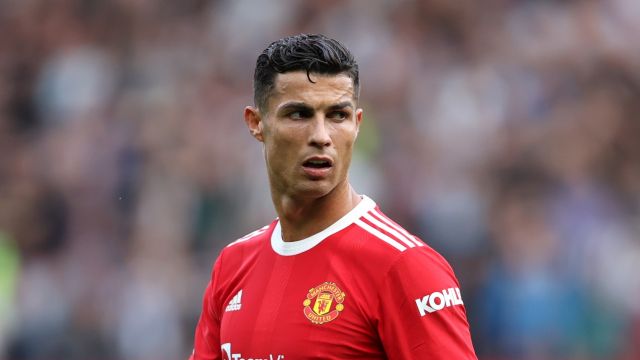
There is an awkward irony to the fact that belief in Ten Hag first began to fray just as he had seemed to establish himself. The power struggle with Cristiano Ronaldo had been overcome with United even winning nine in a row after the player’s last United appearance.
All the talk with Ten Hag had been of how the first few months in his previous jobs had been a little fraught but once players understood his ideas, it had clicked. At United, it went the other way. The second season brought bigger strife. The third brought calamity.
Dealing with the Ronaldo problem
Those first few weeks had been about putting the building blocks in place – the 83 principles of play, as his dossier described them. A fortnight of video sessions outlining his vision soon set him on a collision course with Ronaldo, to whom all this was anathema.
Staff at the Carrington training ground painstakingly went through the details with him, attempting to simplify his tasks in Ten Hag’s pressing structure. They spoke of the need to make a second run to close down the goalkeeper and a third when he passed it out.
They discussed the importance of being ball-side and fed his ego by explaining that his positioning would set the patterns for those behind. But Ronaldo was never likely to make such an adjustment so late in his career. He had succeeded by trusting his instincts.
Acts of defiance, private and public, micro and macro, tested Ten Hag’s authority. Attempts to have him remove his diamond earrings for training fell on expensive but deaf ears. The message was that he was no robot and would continue to do things his own way.
In some respects, this challenge was a welcome one for Ten Hag, not as delicate as the Mason Greenwood situation or as nuanced as the troubles that he would later face with Jadon Sancho. It was an opportunity to exercise his authority, bolster his position.

The difficulties came afterwards. A third-placed finish and a cup win represented a respectable first season, buying time even if there was the disappointment of an FA Cup final defeat to Manchester City allowing their rivals to achieve a treble of their own.
Transfer window struggles
That second summer transfer window was key. Mason Mount was expected to bring much needed energy to the midfield, facilitating a pressing game, while Andre Onana offered hope that United could play out from the back better than with David de Gea.
But Mount missed much of the campaign through injury and Onana initially endured mixed form. Elsewhere, the re-signing of Jonny Evans coupled with the arrivals of Sergio Reguilon and Sofyan Amrabat on deadline day made the recruitment appear desperate. (Sky Sports).



 Online Reporter