


 peter
peter
Mzala Tom
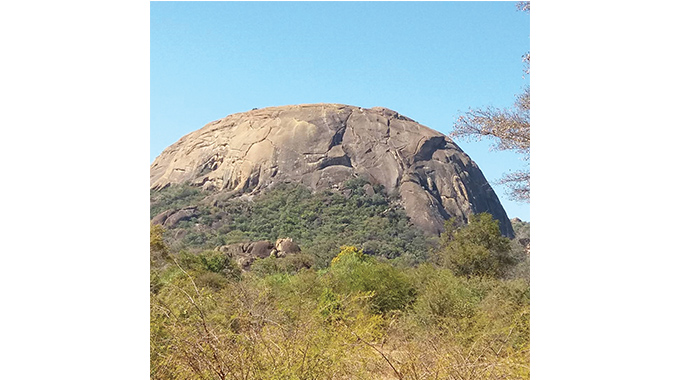
Matobo hills are granite hills/kopjes located south-east of Bulawayo in Zimbabwe. The hills have an average height of 1 500 metres and cover an area of about 3 100m2.
There is evidence of human habitation of the place dating as far back as the stone age before the arrival of the Bantu people groups. The area is characterised by stunning caves, rock art, and sacred hills and shrines. Part of the area is a national park. It is believed that the name Matobo was given by the founder of the Ndebele people, King Mzilikazi, and it means “bald heads”. Before Mzilikazi the Kalanga people called it Matombo. The British later Anglicised it from Matobo to Matopos.
Evidence of human habitation is clear from the innumerable traces of their tools, art, houses and other structures. Some of the tools date back to the early Stone Age period between 1 500 000 to 250 000 years ago.
There are over 3 000 rock art sites in the hills, some inside massive cavernous caves, while most are paintings or sketches on the side of a rock or overhang. The oldest dated San Bushmen paintings in the Matobo Hills are around 13 000 years old, at Pomongwe cave.
Bambata Cave has been excavated to 15 metres providing incredible deposits of remains, dating from around 2 000 years ago to some material dating over 250 000 years old!
Silozwane Cave has some of the best preserved and largest murals of ancient San paintings in the Matobo Hills. The cave was also used as the shrine for Ngwali, the oracle and spiritual leader of the indigenous people.
The Njelele Shrine at Matobo is a cave which is of significant spiritual importance in Zimbabwe and Southern Africa, as for centuries pilgrims from across Southern Africa have always visited it for ritual purposes. Its history predates the Tsodilo Hills in Botswana.
The Mlimo/Mwali/Mwari/Mlimu/Ngwali/Ndzimu/ worship system of Njelele dates back to the Mapungubwe Empire stretching through the Nzimabgwe (Dzimbabwe), Kame (Khami) and Ndebele empires.
Before arrival at Njelele, Ngwali is believed to have trekked from Vendaland and was brought by the Lubimbi/Malaba clan to present day Njelele caves, having stopovers between the Transvaal passing through Tjizeze, Makwe, Zhilo and Dula.
Ngwali is said to have been a multi-lingual voice heard from the cave directing affairs to those who visited the shrine to consult when met with drought and life challenges. No one ever saw Ngwali. Ngwali was not God but a spirit/messenger sent by God to help the people.
The Matobo Hills are seen as the seat of god and of ancestral spirits. Sacred shrines within the hills are places where contact can be made with the spiritual world. Matobo represents a powerful intangible tradition of paramount significance in southern Africa.
The founding Ndebele king, Mzilikazi is buried at the Matobo Hills. Cecil John Rhodes is also buried in these sacred hills. The Matobo Hills were designated as a Unesco World Heritage Site in 2003.
With the passage of time, the voice of Ngwali has not been heard as in the olden days. Some say Mwali was offended by fights and disputes over custody of the shrine. Others say colonialism and modern activities have offended Ngwali and the ancestral spirits. — (@RealMzalaTom)


 Online Reporter