Tendai Gukutikwa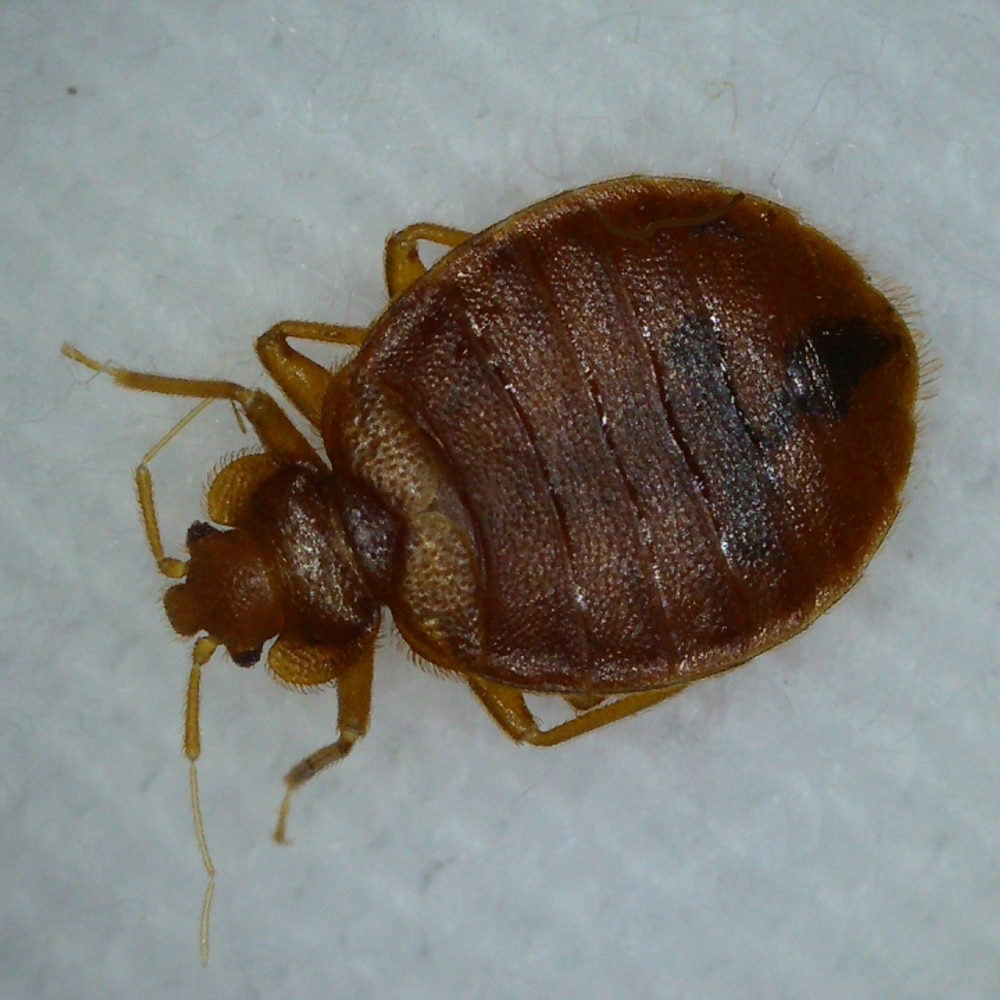
Health Matters with Dr Zuze
A RECENT bed bug (tsikidzi) outbreak in Mbare, one of Harare’s most densely populated suburbs, has triggered significant concern among residents, health officials, and city authorities.
This infestation, primarily affecting the Matererini and Matapi flats, has once again brought to the forefront the close connection between living conditions and public health outcomes. The City of Harare responded to the outbreak by launching an emergency fumigation campaign in early April 2025, aiming to treat over 5 400 rooms.
By late April, approximately 64 percent of the target area had been fumigated as part of a coordinated incident management plan.
However, the bugs have since been reported in other suburbs including Mabvuku, Glen View and Budiriro — suggesting the outbreak is spreading and may be difficult to contain without broader intervention.
While bed bugs (Cimex lectularius) are not known to transmit diseases, their effects on human health are far from benign.
The most common issue is skin irritation, including itchy, red welts from bites. In some cases, excessive scratching may lead to secondary bacterial infections such as impetigo.
A small percentage of individuals may experience allergic reactions to bed bug saliva, ranging from mild local responses to rare cases of systemic anaphylaxis. Beyond physical symptoms, the psychological toll of a bed bug infestation can be significant.
Residents report chronic sleep disturbances, heightened anxiety, and even symptoms consistent with post-traumatic stress.
In prolonged or severe cases — especially among vulnerable populations such as children, the elderly, or immunocompromised individuals — frequent blood feeding may contribute to iron-deficiency anaemia.
The outbreak in Mbare is a stark illustration of how poor housing conditions can facilitate public health challenges.
Overcrowded flats make it easy for bed bugs to spread from one unit to the next. Cracks in walls, broken floorboards, and other structural defects provide ideal hiding places, making extermination much more difficult.
Limited access to cleaning supplies, waste disposal services, and proper pest control further exacerbates the problem.
Compounding the situation, some residents have reportedly refused to allow fumigation teams into their homes due to fears about chemical safety or scepticism about the effectiveness of the treatment.
These concerns highlight the importance of transparent communication, public education, and community engagement in public health interventions. The situation in Mbare should serve as a cautionary tale for similar high-density areas across Zimbabwe — particularly suburbs like Sakubva in Mutare.
Parts of Sakubva, like Mbare, are characterised by overcrowded housing, aging infrastructure, and a long-standing burden of underinvestment in sanitation and urban maintenance. Rooms in some Sakubva hostels and high-density areas are often subdivided to accommodate multiple families, increasing the risk of pest transmission.
Water supply challenges and infrequent refuse collection further compromise hygiene standards. Given these conditions, a bed bug outbreak in Sakubva is not just a possibility — it is a very real risk unless proactive measures are taken. What happened in Mbare could easily happen in Sakubva.
Residents in high-density areas must be empowered to take preventive steps, including regular cleaning, early reporting of infestations, and full cooperation with pest control teams. Authorities, in turn, must commit to, not just reactive fumigation campaigns, but long-term improvements in housing quality, urban sanitation, and pest control monitoring.
The bed bug outbreak in should be a call to action for all cities and towns in Zimbabwe where similar living conditions exist. If we do not address the underlying causes now, we risk repeating the same crisis elsewhere — with equally harmful consequences.
For more information, contact [email protected]


 Online Reporter