Online Reporter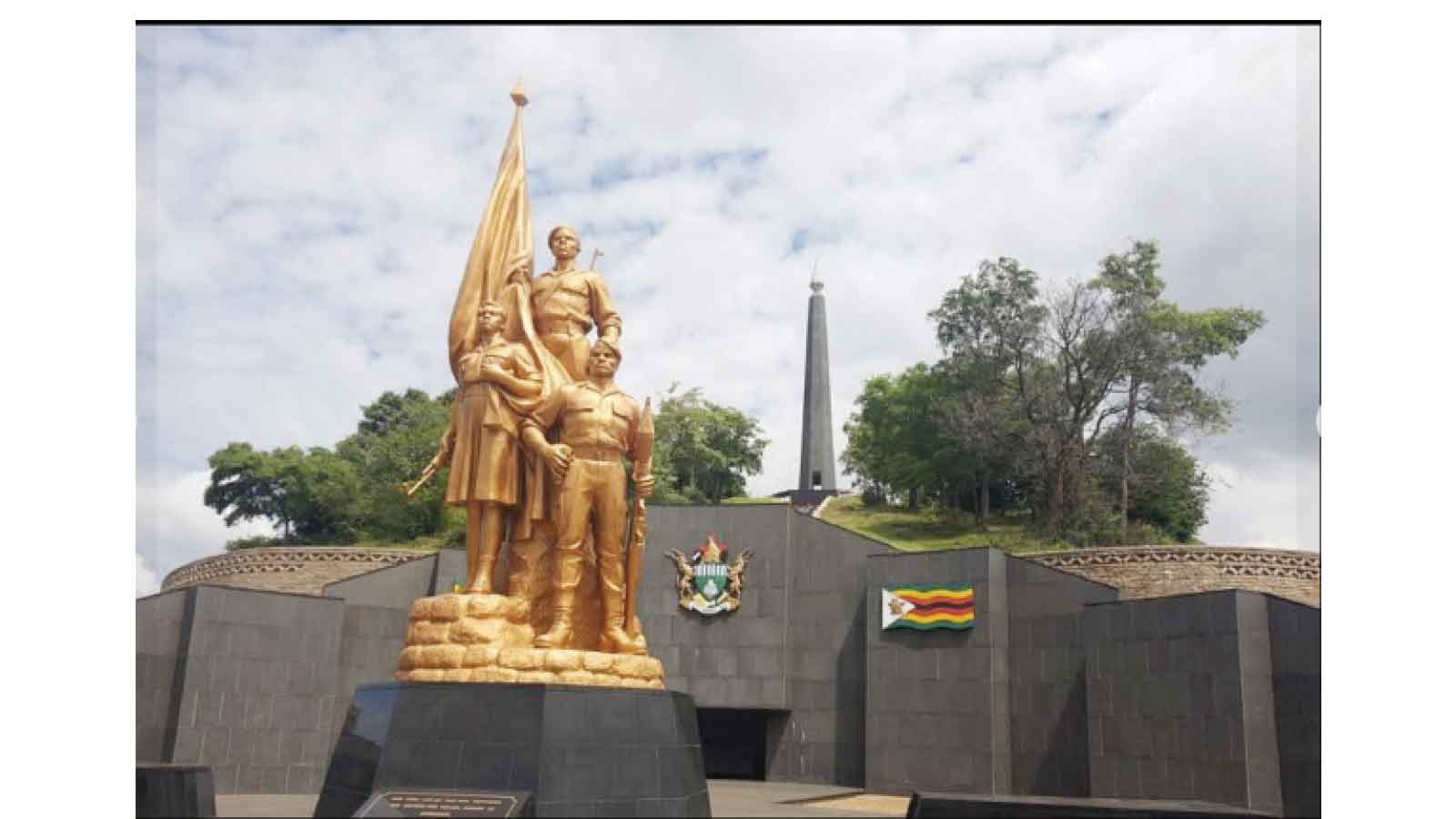
Ambassador Christopher Mutsvangwa
Each year, Zimbabwe dedicates August as the month to commemorate and revere its heroes and heroines who fell in battle as the country waged its epic Second Chimurenga national liberation war to defeat 90 years of the imperial rule of England.
The post-World War 2 (WWII) period witnessed the revival and resurgence of African nationalism.
Most African nations won their freedom, democracy and independence with minimum resistance from the imperial overlords sapped by WWII.
The southern tip of the continent faced an obdurate and intransigent phalanx of allied foes.
Imperial Portugal desperately clung to Angola, Mozambique and Guinea Bissau, relying on a fascist expeditional imperial army.
Ian Smith’s Rhodesia was Britain’s colonial cat’s paw, with the entrenched settlers enjoying furtive military succour of the United States-led North Atlantic Treaty Organisation (NATO).
Apartheid South Africa, with its relatively sizeable white population of European settler stock, was accorded the bastion military tutelage with menacing conventional, aerial and naval force capabilities.
Their pride of aggressive military intimidation included illicit possession of incongruous nuclear bomb capabilities to inflict mass destruction upon defiant African majorities of the sub-region manacled to foreign, minority racist and apartheid settler colonial bondage.
Undaunted, the sub-region embraced the doctrine of asymmetrical warfare.
It was waged as a guerrilla-style armed struggle sustained as a People’s War, pursued through scientific socio-economic mass mobilisation.
The People’s War turned out to be a potent weapon to offset the inherent advantages of superior weaponry, terrain mobility, aerial warfare, better telecommunications, recourse to nastier and criminalised warfare capabilities of napalm, anti-personnel mines, biological and chemical warfare pathogens.
The Organisation of African Unity (OAU) prioritised the riddance of imperial, colonial, racist and apartheid outposts on the southern tip of mother continent Africa.
The Liberation Committee of the OAU was given the formidable task to prosecute war against recalcitrant interlopers who were progeny of the 1884 Berlin Conference on the partition of Africa.
Tanzania and Zambia embraced the role of military training host.
They went on to welcome thousands upon thousands of intrepid and courageous youthful militants ready to shed their precious blood for freedom, democracy and independence.
These various trainee guerrillas fought under the banners of Movimento Popular de Libertação de Angola (MPLA); Frente de Libertação de Moçambique (FRELIMO); Partido Africano para la Independencia de Guinea y Cabo Verde (PAIGC); Zimbabwe African National Union (ZANU); Zimbabwe African People’s Union (ZAPU); South West African People’s Union (SWAPO); African National Congress (ANC) of South Africa; and Pan African Congress (PAC), also of South Africa.
President Julius Nyerere of Tanzania and President Kenneth Kaunda of Zambia emerged as iconic statesmen championing the militant cause of Africa’s total liberation.
Africa, the then-Soviet-led socialist bloc, with Cuba, communist China and progressive humanity, rallied to the just cause of African liberation.
A new crop of revolutionary icons and figures were born of this crucible of the continental national liberation movement.
Among them Amílcar Cabral of Guinea Bissau, Agostinho Neto of Angola, Samora Machel of Mozambique, Sam Nujoma of Namibia, Robert Mugabe and Joshua Nkomo of Zimbabwe, Nelson Mandela, Oliver Tambo and Robert Sobukwe of South Africa.
MPLA, FRELIMO and PAIGC drew first blood in 1974 with their epic military victories over imperial, fascist and colonial Portugal.
By then, the Zimbabwe revolutionary crucible had spawned its immortal luminaries: Chairman Herbert Wiltshire Chitepo of ZANU; General Josiah Magama Tongogara, the ZANLA Chief of Defence; Emmerson Dambudzo Mnangagwa, pioneer guerrilla trainee in China and later ZANU supremo of security and intelligence; Jason Ziyapapa Moyo, founder of ZPRA; and Nikita Mangena, political commissar of the joint Zimbabwe People’s Army (ZIPA).
The 1974 victory of Samora Machel of FRELIMO in Mozambique unleashed unprecedented and fateful revolutionary energy with paradigm consequences for the southern tip of Africa.
It stripped racist and apartheid white settler minority regimes of that aura of military invincibility.
It also emboldened the oppressed majorities that military victory was imminently attainable.
Undaunted, audacious, yet bare-handed youths of Soweto challenged the viciously armed apartheid state apparatus.
We just passed the month of June.
A horrified world would watch the ensuing June 1976 Soweto massacre, a towering crime against humanity that incredulously still avoids global justice.
Zimbabwean youths took a more risk-averse option.
Multitudes of youths absconded from class work; many more abandoned the day-to-day drudgery of no hope working for a racially skewed Rhodesian society.
The Zambezi River ceased to be a natural barrier.
A welcoming Mozambique, with its 1 000km long mountainous border, offered easy access to a sanctuary of African freedom ready to train and arm.
Suddenly, there was a limitless reservoir of recruits ready to fight and reverse the decades-old military humiliation of their forefathers in the epoch of European imperialism of the18th century.
Zimbabwe 1975-1979 victory lap
June 25, 1975 was Independence Day for the newly freed Mozambique.
It turned out to be an accelerated highway to hell for Ian Smith’s Rhodesia and his illegal racist settler colonial territorial outfit.
This was the resounding death knell to the residual vestiges of the European imperial adventure on Africa.
New President Samora Machel lost little time in severing economic links, closing borders and declaring war.
He set up guerrilla training camps for thousands of Zimbabwean youths eager to deploy back home and fight.
The Rhodesian military posture thereupon deteriorated towards an inexorable and stark end.
On the other hand, ZANLA, under the able command of the military genius of the seasoned Josiah Magama Tongogara, steepened in the learning curve of the art and science of modern war.
The People’s War worked magic in organising and structuring the majority populace to the dictates of asymmetrical warfare and the indispensable weapon of ascendant military initiative.
Flailing in despondency, the Rhodesian cat’s paw of the imperial army of Britain resorted to massacres and summary killings of civilians as it blindly sought to fend off marauding guerrilla attacks.
The blot of the genocidal massacres would be smudged on the land.
Nyadzonya, Chimoio, Mkushi, Freedom Camp, Tembwe and many other dark chapters of mass graves in refugee camps, wantonly attacked.
Within Zimbabwe, every household lost a member as rapacious and heinous retribution was meted out to a population now implacably hostile to a ruthless and losing foreign occupier.
All told, upwards of a 100 000 souls in a population of six million watered the Zimbabwe tree of freedom.
The path would register the only modern warfare defeat of the Rhodesian army as the cat’s paw of the imperial army of Britain on the continent of Africa.
The epic battles of Mapai and Mavonde would attest to the gathering military prowess of the Zimbabwe national liberation movement.
By 1979, imperial Britain was ready to force its Rhodesian protege and outpost into an armistice in order to stave impending and imminent military catastrophe of the beleaguered army of Rhodesia.
The Patriotic Front, drawing on the confidence of battlefield supremacy, did not even baulk at the prospect of democratic elections as the midwife to newly independent Zimbabwe.
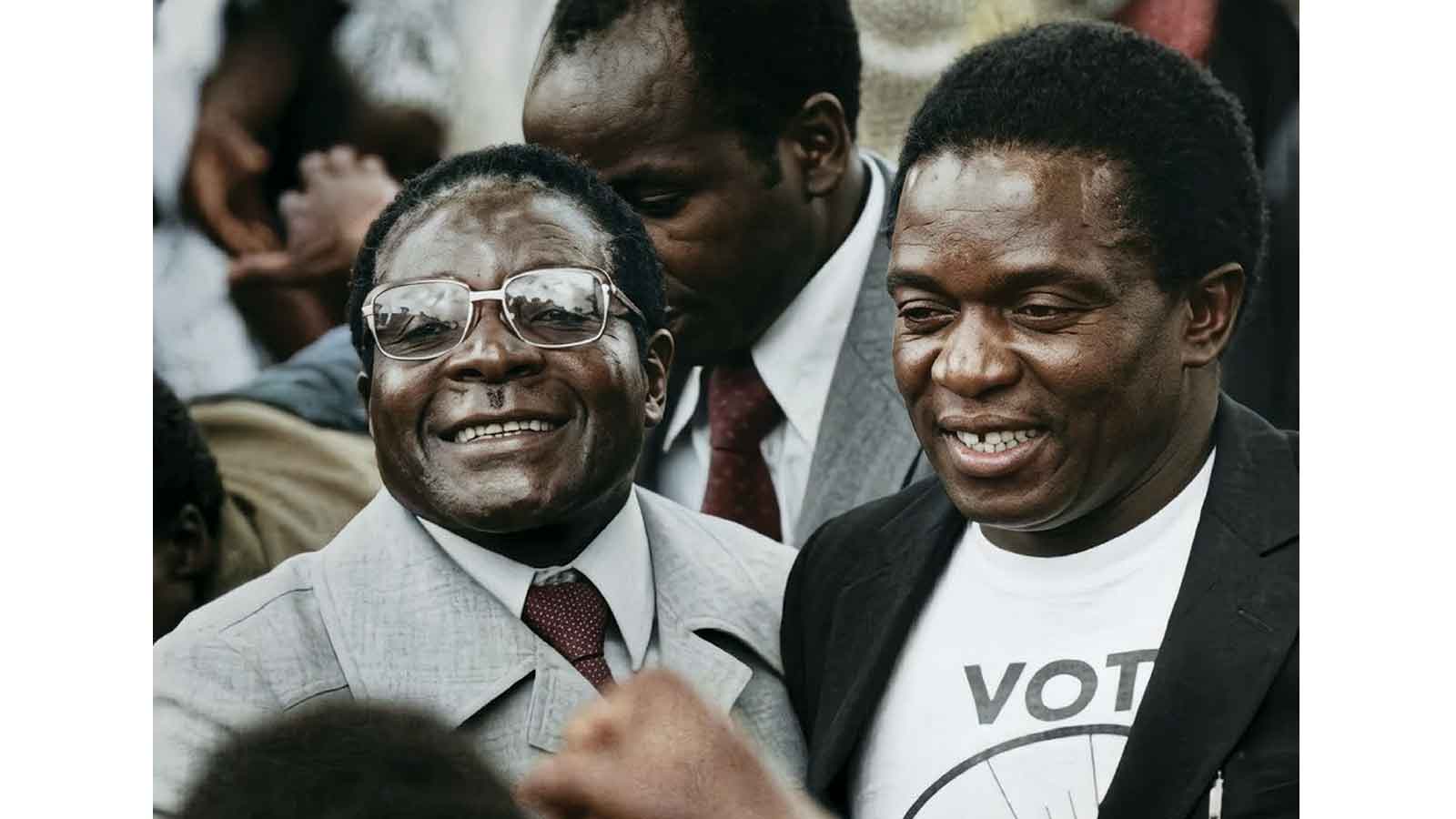
Ever sure of popular support, the Patriotic Front of ZANU and ZAPU rode on the military crest of ZANLA and ZPRA to seal wartime ascendancy with thundering electoral victory in April 1980.
Eschewing bullet to victory, independent Zimbabwe opted for ballot to office as a new template of conflict resolution.
In yet another geopolitical takeaway, the remnant apartheid settler minority States of Pretoria and Windhoek were forced to swallow salutary lessons, disabusing them of racially anointed and permanent military superiority.
The road was paved to relatively bloodless political transition to democratic majority rule in Namibia (1989) and South Africa (1994).
The reggae prophet, Bob Marley, was apt as he serenaded the 1980 independence of Zimbabwe. The heroes and heroines of the Chimurenga-Umvukela II war wrought mother Africa, its African diaspora and progressive humanity an enduring service to history and posterity.
Ambassador Christopher Mutsvangwa is a war veteran and the ZANU PF Secretary for Information and Publicity. He wrote this article for The Sunday Mail.