Online Reporter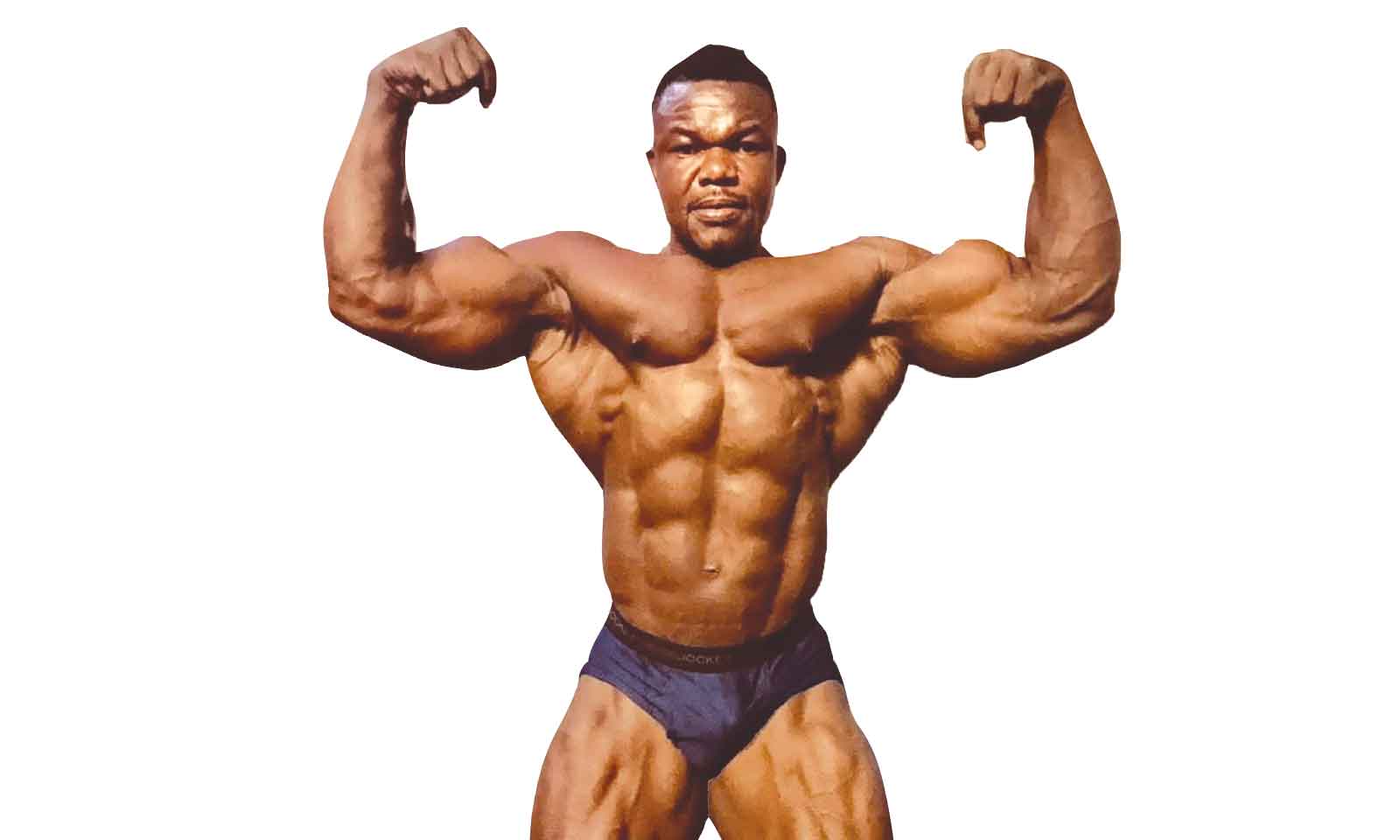
Tendai Chara
Zimpapers Sports Hub
BODYBUILDER Gedion Teguru eats the same meal made up of chicken, eggs and rice every day, part of a routine that rarely changes for Zimbabwe’s reigning Mr Zimbabwe champion.
In bodybuilding, the applause on competition day lasts only a few minutes, but the work that produces those moments stretches across months of strict diets, punishing gym sessions and a lifestyle that quietly reshapes everything around it.
Before the sun rises over the city, when the streets are still empty and Harare is moving at half pace, the lights are already on inside a modest gym tucked between shuttered shops.
Iron strikes steel with a sharp crack. Someone exhales heavily at the end of a long set.
Teguru stands in front of a mirror, turning his shoulders slightly as he studies the outline of his back, searching for small changes that only he might notice.
There is no crowd. No applause. Only mirrors, sweat and the quiet stubborn work of people trying to change their bodies in millimetres.
Bodybuilding is often mistaken for the few dramatic minutes that unfold on stage under harsh lights when competitors step forward, flex, hold a pose and wait for judges to decide whose physique is closest to perfection.
Those moments are only the visible end of something far longer and far less glamorous.
The real work begins months earlier, usually in places like this, long before the rest of the country is awake.
For many sports, the end of competition signals relief. Footballers go on holiday. Cricketers step away from the nets. Athletes allow tired bodies time to recover.
Bodybuilders move in the opposite direction. The so-called off-season is when the hardest work begins.
For Teguru, winning the national title in 2024 brought recognition, but it did not change the rhythm of his days.
“In bodybuilding, you never really stop,” he says. “Right now I am in the phase where I am trying to gain weight and add more muscle. When competitions get closer, I will start cutting again.”
His week follows a steady pattern. Five training sessions target specific muscle groups while his diet remains tightly controlled.
“You must eat several times a day,” Teguru says. “Every few hours the body needs food because that is how the muscles grow.”
The meals rarely change. Chicken breast appears again and again. Rice, potatoes and vegetables. Protein shakes mixed quickly between meetings and errands.
Even rest is planned.
When he tries to explain bodybuilding to people who have never experienced it, Teguru reaches for a simpler image.
For athletes competing beyond Zimbabwe’s borders, the cycle rarely slows down.
Lesley Payne Gondo has built one of the most remarkable careers in wheelchair bodybuilding and recently reached a milestone when he earned International Federation of Bodybuilding and Fitness Pro status.
The achievement opened the door to global competitions but it also meant the schedule became even more demanding.
“I do not really have an off-season,” Gondo says. “I compete throughout the year, so there is always something ahead of me.”
Since December, he has followed a demanding programme while preparing for international events in South Africa and Canada.
The routine leaves little room for holidays.
“Successful bodybuilders must stay disciplined with training, nutrition and recovery,” he says. “If you relax too much, the body changes very quickly.”
Zimbabwe’s bodybuilding community exists quietly on the edges of the country’s sporting landscape. While football stadiums fill and cricket matches dominate headlines, bodybuilders train in smaller gyms scattered across the country, balancing demanding routines with jobs, family responsibilities and the financial demands of maintaining a competitive physique.
Gwasira understands how little space the sport leaves for long breaks.
After competing at the 2025 National Finals in Victoria Falls, he allowed himself a short pause before returning to the gym.
“I rested only on Christmas Day and New Year’s Day,” he says with a laugh.
“After that, I had to get back because there were areas that needed improvement.”
In bodybuilding, improvement rarely comes in dramatic leaps. It might mean a slightly wider back, a more defined shoulder or a tighter waist when the body is stripped of water and fat before competition.
Months of disciplined training can be undone quickly if that discipline slips.
Veteran fitness coach Masiye Suwali has watched Zimbabwe’s bodybuilding scene for more than 40 years and says many people misunderstand the sport because they only see its final moments.
“People think bodybuilding is the competition day,” Suwali says.
“But the stage is just the result. The real work happens when nobody is watching.”
Those months are when athletes eat more, train heavier and focus on correcting the weaknesses judges noticed during the previous season.
“A footballer can stop training for a while when the season ends,” Suwali explains.
“A bodybuilder cannot. If you stay away for too long, the body loses what you worked so hard to build.”
The discipline does not stop when athletes leave the gym.
Most bodybuilders organise their lives around food as carefully as they organise their training.
Six meals a day is common.
Chicken, eggs, rice and vegetables are prepared in advance and packed into containers that travel everywhere with them.
Many athletes rely on alarms rather than hunger to remind them when to eat.
“The off-season is actually the most important time,” says Ronald Gwasira, who has spent years chasing the kind of progress that rarely arrives quickly in bodybuilding.
“That is when you build the body people will see later on stage.”