Online Reporter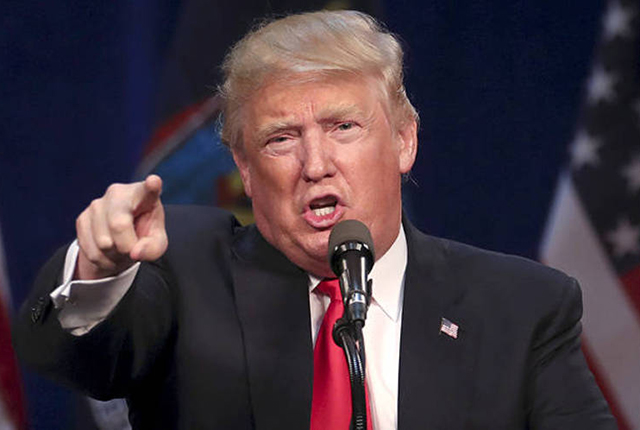
Marshall Rufura Mupazi Ndlela
A storm of controversy has erupted over the once-powerful, now unravelling alliance between United States President Donald Trump and billionaire Elon Musk. What began as a seemingly symbiotic bond has descended into a public clash marked by misinformation, erratic behaviour, and divisive politics, particularly concerning South Africa. Allegations of Musk’s drug use and his recent dismissal from a key advisory role have exposed the fragility of this partnership, carrying significant implications for both US and global politics.
An unholy alliance of Narcissistic right-wing politics
Elon Musk, the South African-born tech mogul, secured a central role in Trump’s inner circle as head of the Department of Government Efficiency (DOGE). Critics swiftly labelled this pairing a marriage of convenience, fuelled by shared narcissistic tendencies and a mutual disdain for progressive policies. Musk’s influence, starkly likened to South Africa’s infamous Gupta family “state capture,” reportedly involved bullying state secretaries and aggressively pushing far-right agendas, raising serious alarm about his outsized role within the Trump administration. Observers have even compared his confrontational style to the domineering behaviour of South Africa’s Afrikaner elite during apartheid, fuelling accusations that Musk is actively importing racially charged ideologies into American governance.
Importing apartheid-era narratives from South Africa
A particularly unsettling aspect of the Trump-Musk alliance was its fixation on South Africa’s “white genocide” narrative, heavily propagated by Afrikaner organisations like AfriForum, Solidarity, and the White Business Forum, led by Rob Hersov. These groups claim systemic persecution of white farmers, despite compelling evidence repeatedly debunking such assertions. Trump’s February 2025 executive order, which controversially cut aid to South Africa and offered asylum with a pathway to citizenship for Afrikaners, was profoundly influenced by these narratives and amplified across Musk’s platform, X.
The order gravely misrepresented South Africa’s Expropriation Act as targeting white landowners, completely ignoring its true aim: to address deep-seated apartheid-era inequalities where whites, despite comprising only seven percent of the population, still own over 70 percent of agricultural land. Musk, who grew up under apartheid, stands accused of leveraging these unsubstantiated claims to challenge South Africa’s affirmative action laws, specifically black ownership requirements that are blocking his Starlink network. His persistent reposting of misleading videos on X has drawn widespread condemnation from South African officials for perpetuating a discredited conspiracy.
Twitter acquisition and political manipulation
Musk’s US$44 billion acquisition of Twitter (now X) in 2022 marked a pivotal turning point in his political influence. Critics argue it was a calculated move designed to amplify both his and Trump’s agendas. After controversially unbanning Trump’s account — which had been suspended for inciting violence — Musk allegedly manipulated X’s algorithms to promote pro-Trump content and actively discredit opponents like Joe Biden, spreading false narratives about Biden’s mental state and policies. This strategy, widely likened to pure propaganda, amplified white nationalist voices and South African conspiracies, aligning perfectly with Musk’s apparent goal to bolster Trump’s far-right base.
State capture and “Boer behaviour” in the White House
Musk’s influence within the White House, described as “state capture” reminiscent of South Africa’s notorious Gupta scandals, reportedly granted him unprecedented power in shaping policy. His erratic, confrontational behaviour — pejoratively termed stereotypically “Boer” due to its controversial ties to Afrikaner history — included documented clashes with state secretaries and aggressive pushes for drastic measures such as cutting federal aid and deregulating environmental policies. This conduct cemented his image as a destabilising force within the administration.
Trump’s misguided South Africa policy and Ramaphosa’s embarrassment
The Trump-Musk alliance spectacularly faltered during South African President Cyril Ramaphosa’s White House visit on May 21, 2025. Trump staged a theatrical presentation, dimming the lights to show a video purportedly claiming “white genocide” in South Africa. The footage featured clips of opposition politician Julius Malema singing “Kill the Boer” and images of crosses purportedly marking farmers’ graves. However, the footage was riddled with inaccuracies, including a widely debunked image of an Ebola burial attributed to the Democratic Republic of Congo. President Ramaphosa calmly and factually rebutted these claims, noting that most South African crime victims are black and that no land has been expropriated without compensation. South African officials, including Agriculture Minister John Steenhuisen, further clarified that the crosses were from a 2020 protest, not graves, and that crime is demonstrably not racially targeted. This embarrassing incident, driven by Musk’s flawed intelligence, not only humiliated Trump but also significantly strained US-South Africa relations.
Loyal South Africans reject Trump’s asylum offer
Crucially, Trump’s asylum offer has been overwhelmingly rejected by white South Africans. Prominent figures, including Johann Rupert, South Africa’s richest man, have publicly dismissed “white genocide” narratives as exaggerated and firmly affirmed their unwavering commitment to the country. A mere 59 Afrikaners have applied, a tiny fraction of the millions of white South Africans, reflecting a broader rejection of the myth and a deep dedication to resolving domestic issues within their own nation, despite acknowledging high crime rates.
Fallout: Drug accusations and Musk’s dismissal
The Trump-Musk relationship ultimately collapsed by June 5, 2025, culminating in Musk’s dismissal from DOGE after Trump publicly criticised his critical X posts and erratic behaviour. Allegations of Musk’s drug use and growing concerns about his decision-making further eroded his already shaky credibility. Posts on X reveal escalating tensions, with Trump accusing Musk of disloyalty and Musk defending his contributions. This public fallout has left Musk’s political influence significantly diminished and Trump grappling with the far-reaching consequences of their fractured alliance.
Overall, the Trump-Musk partnership, once a right-wing powerhouse, has imploded under the weight of misinformation, divisive rhetoric, calculated propaganda, undiplomatic tweets, and clashing egos. Musk’s aggressive efforts to import South African white victimhood narratives, manipulate X, and exert disproportionate White House influence have evidently backfired, alienating even former allies, such as Rupert and other white South Africans. Trump’s reliance on Musk’s demonstrably faulty intelligence, as glaringly exemplified by the President Ramaphosa debacle, has demonstrably damaged US credibility and strained international ties. As drug allegations and Musk’s dismissal continue to unfold, their failed alliance serves as a cautionary tale about the perils of unchecked power and the corrosive impact of propaganda in global politics.