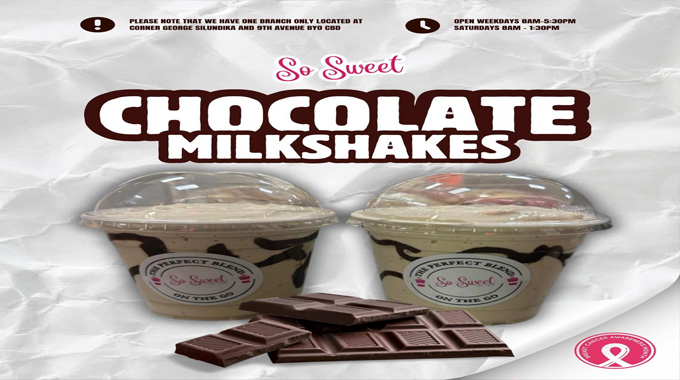
So Sweet
THE chocolate milkshake, now a beloved dessert staple, has a surprisingly complex and colourful history that stretches far beyond its modern identity as a frothy, ice-cream-laden treat. Today, it evokes images of neon-lit diners, tall chilled glasses, and indulgent pairings with salty chips. Yet its origins lie in a very different kind of beverage — one that was once alcoholic and medicinal.
When the term “milkshake” first appeared in print in 1885 in the United States, it referred to a robust, eggnog-style drink made with milk, eggs, and whiskey or brandy. Far from being a child-friendly dessert, it was marketed as a fortifying tonic for adults. These early milkshakes were hand-shaken and lacked ice cream, making them thinner and richer, more akin to a festive punch than a sweet treat.
As the 20th century dawned, cultural shifts began to reshape the milkshake. The rise of temperance movements and the popularity of soda fountains led to the removal of alcohol from the recipe. Milkshakes became flavoured with chocolate, strawberry, or vanilla syrups and were served as wholesome, family-friendly drinks. The invention of the electric blender in 1922 by Stephen Poplawski revolutionised the milkshake’s texture, allowing soda fountain workers to create the creamy, frothy consistency we now associate with the drink.
The defining moment in the evolution of the chocolate milkshake came later that same year in a Chicago pharmacy. Ivar “Pop” Coulson, a Walgreens employee, added two scoops of vanilla ice cream to a chocolate malted milk drink, transforming it into the thick, indulgent dessert we know today. Malted milk powder, originally developed as a nutritional supplement for infants and invalids, added a distinctive flavour and further cemented the milkshake’s place in popular culture.
By the 1940s and 50s, the milkshake had become a symbol of American youth and diner culture. Its influence extended beyond the culinary world into politics and espionage. In 1963, the CIA reportedly attempted to assassinate Fidel Castro by slipping poison into a chocolate milkshake at the Hotel Habana Libre — a plot that ultimately failed. Decades later, in the UK, milkshakes became a form of political protest, with demonstrators throwing them at public figures, a trend that gave rise to the term “milkshaking.”
Even today, regional quirks persist. In parts of New England, a milkshake without ice cream is still called a “milkshake,” while the ice-cream version is known as a “frappe.” In Rhode Island, it’s sometimes referred to as a “cabinet.”
From its boozy beginnings to its role in pop culture and protest, the chocolate milkshake has undergone a remarkable transformation. It is no longer just a drink but a nostalgic icon, a testament to how culinary traditions evolve with society. Its journey from medicinal tonic to decadent dessert reflects broader changes in technology, culture, and taste — making the humble milkshake far more fascinating than it first appears.