Online Reporter
Mbulelo Mpofu, [email protected]
YESTERDAY, the National Arts Council of Zimbabwe (NACZ) sent a gentle tremor through the country’s creative corridors, announcing an immediate reduction in registration fees for artistes and creative organisations, effective January 30, 2026.
It was a decision that landed like a welcome summer rain on thirsty ground — a gesture aimed squarely at easing the burden of doing business in the Cultural and Creative Industries (CCIs).
The move followed a directive from the Chief Secretary to the President and Cabinet, Dr Martin Rushwaya, who instructed Government agencies to re-examine licences, permits, and levies. In its wake, a new dawn appeared for artistes long weighed down by the heavy cost of formality.

The NACZ, with a refreshing clarity, explained that the revised fee structure is meant to open the gates wider, to encourage compliance, and to free precious resources so that creatives may invest in what truly matters: production, innovation, and the stubborn pursuit of expression.
In a press statement that read as both a policy shift and a love letter to the nation’s creatives, the NACZ framed its intervention with almost poetic resolve.
“In alignment with the Government’s commitment to stimulating the creative economy and supporting artistes, the NACZ has amended its fee structure. This decisive reduction is designed to lower the barriers to formalisation, encourage compliance, and inject vitality into the sector by allowing practitioners to redirect resources towards production, innovation, and sustainability.
“The NACZ encourages all artistes, arts associations, and creative organisations, both existing and new, to take advantage of this revised fee structure. This intervention reaffirms the Government’s and the NACZ’s role as catalysts for development, ensuring that the arts sector is inclusive, vibrant, and a key contributor to Zimbabwe’s socio-economic transformation.”
To many, the statement did not sound bureaucratic; it sounded like possibility. It signalled recognition. It whispered that, after years of asking to be seen, creatives were finally being viewed as an industry worth investing in.
The announcement sent a ripple of relief and optimism through the CCIs, where many had long argued that high fees strangled progress before it could even breathe. Umahlekisa Entertainment boss and comedian Ntando Van Moyo captured the sentiment with heartfelt honesty.
“So, this creates operational ease and also makes it also easier for artistes to be compliant with the requirements because when the fees were steeper, it was very difficult for people to be compliant because they couldn’t afford the fees. I hope this will in turn generate better organised events and also more events happening around the city which will bring revenue in terms of tax, employment creation and so forth as creatives will be operating legally.”
His words painted a future where creativity does not sneak in through the back door, but walks proudly through the front — licensed, recognised, and empowered to build livelihoods.
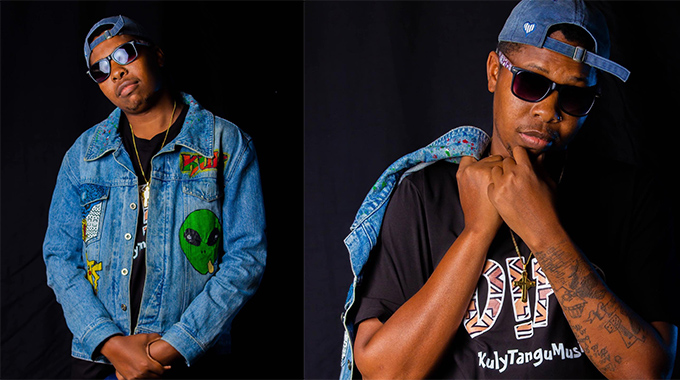
Musician and producer Kuly Tangu added his voice, offering a window into the practical lives of working artistes navigating legitimacy, opportunity, and survival.
“I think, as an artiste and as a music producer, right, the reduction of this prize is the review of the pricing sort of gives us an opportunity to do things the right way. I understand there’s a little bit of scepticism when it comes to Zimbabwe organisations, especially music ones. But this at least gives artistes and gives record labels or studios breathing space. Now, one is no longer on the wrong side of things when pushing business. They are legally doing things . . . Of course, there are some fees that are going to be paid earlier on, especially for operations.
“If you have a studio, you need things accessible and making things legal so that when you finally get to a position where you need assistance or you need to get funds, those things are asked for most of the time. Do you have this? Do you have that? And when you have them, it’s easier for you to actually receive funding even from NGOs. So, yeah, for me, I think it’s a good thing that they’ve done that. I’m probably going to be registering as an individual artiste and also for my record label.”
His reflection felt less like an analysis and more like a sigh of relief, the kind that comes when a long locked door finally shifts open.
The NACZ’s detailed breakdown of fees revealed just how deep the cuts went. Arts groups remain untouched at US$50, steady and accessible. Arts institutions and organisations saw their registration slashed from US$250 to US$125, and renewals from US$150 to US$75. Business promoters in Tier 1 witnessed dramatic reductions —registration falling from US$650 to US$325 and renewals from US$550 to US$275 — along with a drop in local show clearance fees from US$100 to US$50 per month.
Tier 2 promoters, those handling larger events, saw their fees halved from US$1 200 to US$600. Venue promoters experienced a complete easing of the burden — their fees, once pegged at US$500 for registration and US$400 for renewal, were waived entirely.
Commercial festival promoters, arts awards organisers, studios, church organisations, NGOs and trusts saw registration cut from US$500 to US$250, and renewal lowered from US$400 to US$200.
Individual artiste fees remained unchanged at a modest US$20. Importation clearance for foreign artistes shifted from a minimum US$1 000 to US$500, and equipment clearance fees dropped steeply from five percent to 1,5 percent of invoice value.
The strategy behind the numbers was unmistakable. The most substantial relief targeted the engines of the creative economy: promoters, venues, festivals, studios, and NGOs. These were the arteries through which the nation’s cultural blood flowed, and loosening them meant oxygen could once again reach the system.
Halved local show clearance fees promised more events, more legal compliance, and more vibrancy. Reduced costs for bringing in foreign artistes and importing equipment suggested a future where Zimbabwe’s creative borders might open wide — welcoming collaboration, expanding technical capacity, and energising innovation.
Meanwhile, fees for individuals and small groups remained gentlest, ensuring that the grassroots would continue to breathe freely.
What emerges from all these changes is a quiet but deliberate re-imagining of Zimbabwe’s creative landscape. A sector that has often felt marginalised, underfunded, or suffocated by administrative weight is being given room to stretch its limbs. The NACZ’s move, cheered on by voices like Van Moyo and Tangu, signals a philosophical shift: that the creative economy is not ornamental; it is foundational. It feeds identity. It builds industries. It offers employment. It mirrors the soul of a nation back to itself.
The true test of this transformation will be written in the months that follow. Will more artistes register? Will festivals blossom? Will studios expand? Will innovation flourish? Time will tell. But today, at least, there is optimism — cautious, hopeful, and necessary. A feeling that for once, policy is not clipping the artiste’s wings, but helping them lift from the ground.