Chronicle Editor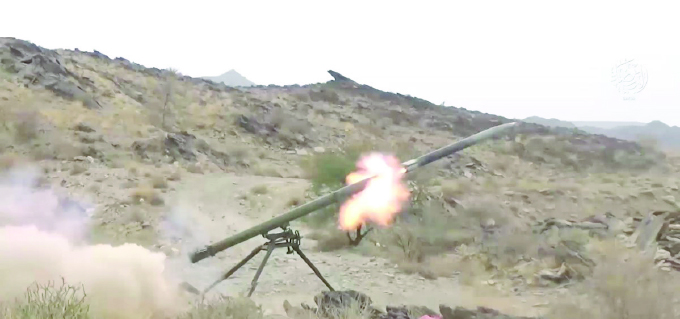
WE conclude our interview with former Battalion Medical Officer for the ZPRA’s First Battalion that was commanded by now Major-General (Rtd) Stanford Khumalo (Cde Madliwa). Since that time up to now when the country’s armed memories are being revisited the battalion is referred to as iBattalion KaMadliwa. In the past instalments Cde Miller Mlilo has told our Assistant Editor Mkhululi Sibanda (MS) how he joined the armed struggle and the training he went through at CGT before he was sent to Mlungushi as an attachment as medical corps. In our last issue he was giving an account of the battle between the First Battalion and Rhodesian forces along the Zambezi River near Kariba. The battle is said to have lasted five days with intense fighting. It is in that battle that ZPRA drew admiration even from their enemies with the way they performed against an enemy that had deployed its elite ground troops and airforce. Below Cde Mlilo gives his final account of the battle. Read on . . .
MS: May you please resume your narration of the battle, last time you were telling us about the events of Day Two. Let’s go to Day Three.
Cde Mlilo: The Rhodesians were using everything in their power to destroy us but like I said we had been bombed countless times at Mlungushi and the sound of their aircrafts were no longer intimidating us. Before we deployed along the Zambezi we had become battle hardened. While they were failing to penetrate our positions using air power, when it came to ground troops whom we learnt later on that it was the Rhodesian Light Infantry (RLI), their elite unit they suffered many losses. We had deployed well and strategically. Like I said last time we picked white limbs from the trees. Our fire power was too much. However, it should have been on the third day of the fighting that we suffered two losses.
MS: Take us through how that happened.
Cde Mlilo: The Rhodesians had aimed at hitting the Zegue position and they hit the shelter of the artillery commissar, Ephraim. Although the comrade did not sustain physical injuries he was affected by the shock wave of the bomb but another comrade was hit by the bomb fragments. While the bombing was taking place I received an order since I had my own radio to go and recover the two. Kwathiwa Masotsha hamba uyethatha labo asebelimele khonapho zibonda. Armed with AK-47 folded butt and in the company of my subordinates, Cdes Mapholisa and Samuel, we made our way to the spot where the two were and recovered them. They were stretcher cases and so using stretcher beds we took them to our underground medical facility and gave them injections. Ephraim because of the shock had no physical injuries but had breathing problems. They passed on in our arms. The ventilation was poor and it was a mistake on our part to put them there, but we had no choice as the enemy was unleashing bombs on us. The other comrade had been badly injured. I informed the battalion commander about what had happened.
MS: What was his response?
Cde Mlilo: Madliwa gave an order that I should bring the two bodies to him, so that he could see them himself. I took the bodies to him at night and left them there. Burial arrangements were made but I was no longer part of the proceedings. On the fourth day the enemy descended on us again but we held our own. They had gone on to outsource Impala jets from apartheid South Africa but still they met stiff resistance. They were becoming frustrated as they had never fought guerillas who were bent on keeping their positions. They were used to guerillas who will engage and withdraw but thina we were dug in and not retreating. They had employed all the tricks in the book but found us unyielding. Day five was the same and we had no casualties again. Then at night Madliwa ordered a withdrawal.
MS: Tell us more about that.
Cde Mlilo: The order was we should camouflage all the equipment and leave everything there. However, we were told to arm ourselves adequately as we were changing positions. Madliwa’s order was “save your lives”. He said we were not surrendering but he felt fatigue was creeping into his troops. Then deep into the night he ordered the artillery unit to fire the Grad P. We had not used that weapon, it’s a very big weapon. The trick was to scare the Rhodesians so that our withdrawal would be smooth as the Rhodesians would have scurried for cover. It was also meant to leave them guessing whether we were ready to use such arsenal the following day. I think the artillery comrades fired two shells and the whole Zambezi Escarpment turned into day. It was also as if there was lighting all over. The sound of that weapon is something else. That gave us the breakthrough we needed. We moved out of our deployment area but having split into smaller units. The gathering point (GP) was some mountainous area some distance from where we had been. At that point we were using guerilla tactics and we settled onto those mountains.

MS: What happened the following day?
Cde Mlilo: The following day the Rhodesians descended on our former positions and started bombing heavily as usual. I think they were surprised that there was no return fire. They bombed and bombed while we were watching from our new position. As a battalion we congratulated ourselves for a job well done and a beast was sought which we slaughtered as part of our celebrations. Remember there were other three battalions deployed along the Zambezi but they were not attacked. The Rhodesians realised that being outgunned by one, then what more if others were involved. They also considered that there were guerillas all over the country. So they learnt their lesson that they were losing the war, it was best that they go to the negotiating table. Already when that battle took place the Lancaster House Talks were on.
MS: Taking you back a bit what happened to the equipment you left when you were withdrawing?
Cde Mlilo: The issue of the artillery pieces became a hot one. The Soviets officers attached to ZPRA demanded that they should not in anyway fall into the hands of the Rhodesians. So Madliwa gave an order that the Battalion Artillery Commander, Cde Mahewu, a fine soldier who came from Kezi should take a unit and bring the artillery pieces. Unfortunately they were ambushed by the Rhodesians on their way to collect the weapons. Mahewu and one or two other comrades died in that ambush. A sombre atmosphere hit the whole battalion as Mahewu had done well in defending the battalion during those five days when the battle was raging on. Another unit was also sent to recover the artillery pieces and that was successfully done.
MS: As for you, what happened to your medical equipment?
Cde Mlilo: I left it there and that was the end of the story. The ceasefire was then announced and then came time for us to return home. We moved to Gwayi River Mine Assembly Point near Dete where all the conventional forces were sent to. I was then later on attested into the Zimbabwe National Army and deployed to Zaka in Masvingo under 4 Brigade as a Staff Sergeant. I served in the ZNA Medical Corps until I left the army in 1983. I went back to Monarch and years down the line left to start a mining venture in Bubi which I am still doing. I took part in the land reform programme and got a piece of land in Bubi. So I am both a farmer and miner. When the war veterans association was first started I was a district office bearer in Nkulumane in Bulawayo and worked closely with the pioneer leadership in Bulawayo and Matabeleland North which included now Zanu-PF SG and former Cabinet Minister, Dr Obert Mpofu and Cde Chiweshe who was from Zanla. In the August elections last year I was a Zanu-PF council candidate for Ward 23 here in Bubi and I won by a big margin.


 Online Reporter