Peter Tanyanyiwa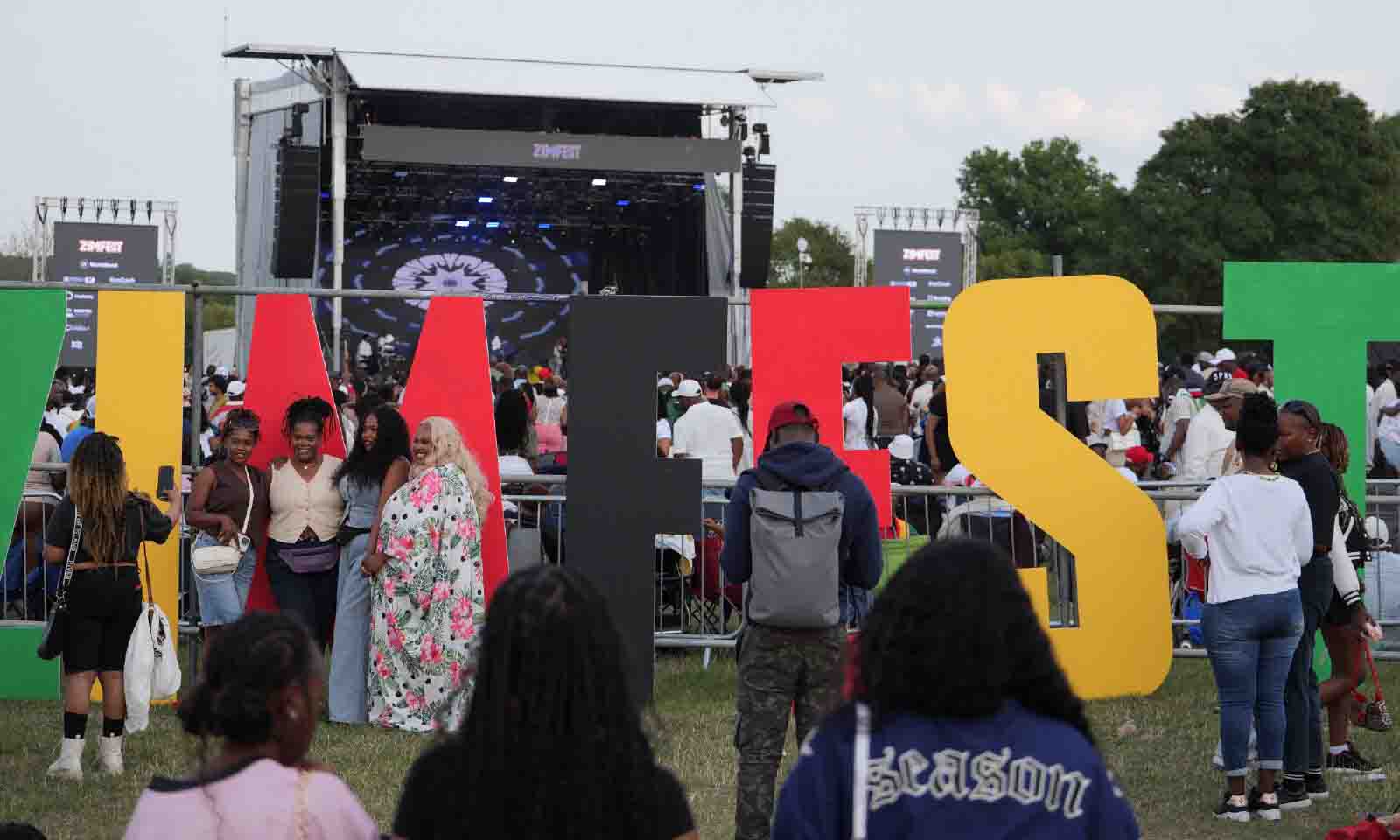
Nick Mangwana
Government Up Close
This week, I’m taking a departure from our usual policy-focused discussions to explore a more socio-cultural topic that has been triggered by recent events and debates. As a diasporan returnee, I’ve had the unique privilege of experiencing life in multiple worlds — both in my host country and back home.
Having worn both boots, I believe I am in a position to reflect on the diasporic experience with a perspective that’s informed by years of living away from home and now observing the diaspora community from the outside, yet with the insights that only come from having been part of it.
My experiences as a diasporan have given me a front-row seat to the complexities of identity, community, and culture that shape the lives of those living outside their country of origin. As someone who has navigated the nuances of diasporic life and has now re-integrated into the community back home, I’ve gained a distinct perspective on the cultural dynamics at play. In this piece, I’ll draw on these experiences to explore the notion that the diaspora community has a culture of its own — one that is distinct from both the host society and the country of origin.
The Zimbabwean diaspora community in the UK recently hosted Zimfest, a vibrant celebration of Zimbabwean culture that has been a staple of the community’s social calendar for over 15 years. This massive cultural event draws thousands of people from across the UK and even mainland Europe, showcasing the rich heritage of Zimbabwe through music, cuisine, and entertainment. Like the Caribbean diaspora’s iconic Notting Hill Carnival, Zimfest has become a beloved tradition, bringing together Zimbabweans and other Southern African communities to revel in their cultural roots.
The festival is a testament to the community’s efforts to maintain a strong connection to their homeland, even as they navigate life in a new country. With a wide variety of traditional Zimbabwean dishes and beverages on offer, attendees can indulge in the flavours and aromas of home. The event also features live music performances by local and international artists, creating an electric atmosphere that is both nostalgic and exciting. Despite its success, some individuals have chosen to focus on minor incidents, such as a few attendees having a bad day with their wardrobe choices or some misbehaving under the influence of alcohol.
It’s unfortunate that these minor issues have been blown out of proportion, with some even resorting to unfounded allegations that detract from the overall spirit of the event. Rather than highlighting the negatives, we should celebrate the Zimbabwean diaspora’s efforts to preserve their cultural heritage and share it with others. While it’s true that cultural differences between the diaspora community and those back home exist, it’s heartening to see people coming together to celebrate their roots. By acknowledging and appreciating these differences, we can foster a deeper understanding and appreciation of the diverse experiences that shape the diaspora community.
When incidents involving members of a diaspora community that spark controversy do occur, it often triggers a heated debate between those living in the diaspora and those back in the country of origin. The former may see these as isolated events or an individual’s choice, while the latter might view it as a reflection of the entire community’s values or reputation. This dichotomy highlights the complexities of diasporic identity and the distinct culture that emerges when people from one country settle in another.
The culture of the diaspora is not a direct reflection of the country of origin,nor is it a perfect replica of the hosting society’s culture. Rather, it exists on a spectrum, shaped by the interplay between the diaspora community’s roots and their new environment. This spectrum ranges from highly assimilated individuals who have largely adopted the customs and values of their host country to those who remain largely unassimilated, clinging to the traditions and practices of their homeland. Between the extremes of highly assimilated and unassimilated, there may be individuals who are mal-assimilated or mis-assimilated, struggling to find their place in either culture. Their behaviour may not be well-suited to the norms and expectations of either their host society or their community of origin, leading to challenges in navigating both worlds.
The degree of assimilation varies greatly depending on factors such as the host country’s policies, the community’s size and cohesion, and individual choices.
For instance, a diaspora community in a country with a strong multiculturalism policy might be more likely to maintain its cultural heritage while still integrating into the broader society. In contrast, a community in a country with stricter assimilation expectations might feel pressure to conform more closely to local norms.
In a xenophobic country where nationals harbour intense hostility towards foreigners, often resorting to derogatory names and slurs such as Makwerekwere, the pressure to assimilate becomes overwhelming. In such an environment, blending in is not just a matter of cultural adaptation, but a necessity for self-preservation. Individuals may feel compelled to shed their cultural distinctiveness and adopt the dominant culture’s accents, norms and customs in order to avoid attracting hostile attention and minimize the risk of harassment, discrimination, or even violence. The imperative to assimilate is not driven by a desire to integrate, but rather by a need to survive and navigate a hostile environment.
On the flip side, a country that is welcoming and inclusive, valuing diversity and promoting multiculturalism, can have a profoundly positive impact on the diaspora community. In such a country, individuals feel empowered to maintain their cultural heritage while integrating into the broader society. The absence of hostility and derogatory language creates a safe space for people to express themselves freely, fostering a sense of belonging and community. In this environment, assimilation is not forced, but rather a choice, allowing individuals to navigate their identities and cultural practices in a way that feels authentic to them. The emphasis is on mutual respect, understanding, and coexistence, enabling the diaspora community to thrive and contribute to the richness of the host society.
The culture of the diaspora is a complex entity that cannot be reduced to a simple linear narrative. It is shaped by multiple factors, including the community’s history, socioeconomic status, and interactions with both the host society and the country of origin. This complexity is often overlooked in discussions about diaspora communities, where oversimplified narratives can lead to misunderstandings and misrepresentations.
When those back in the country of origin criticize the diaspora community for perceived misbehaviour, they often fail to recognize the nuances of diasporic identity. The diaspora community is not a monolith, and its members’ experiences and choices are influenced by their unique circumstances. While some individuals may indeed engage in behaviours that are seen as unhelpful or damaging to the community’s reputation, others may be working to promote a positive image and foster greater understanding between cultures.
Moreover, the notion that the diaspora community’s behaviour reflects directly on the country of origin or the entire community is both unfair and unrealistic.
People in the diaspora are individuals with their own agency, making choices based on their circumstances, values, and priorities. Their actions may not always align with the expectations of those back home, but that does not mean they are intentionally trying to misrepresent their community.
The culture of driving under the influence of alcohol has unfortunately become a stain on the reputation of Zimbabweans in the UK. While drink driving is illegal in both Zimbabwe and the UK, the attitude towards its enforcement differs significantly between the two countries. In Zimbabwe, the policing approach has been, at best, lacklustre, contributing to a culture where driving after drinking is not taken as seriously as it should be. However, for Zimbabweans who have settled in the UK and continue to drive under the influence, they find themselves in uncharted waters, where the laws against driving under the influence are strictly enforced and the consequences are severe.
This cultural disconnect has led to some Zimbabweans in the UK facing serious repercussions, including fines, license suspensions, and even imprisonment.
Unfortunately, these incidents reflect not only on the individuals involved but also on the broader Zimbabwean diaspora community. It’s a stark reminder that the diaspora has a culture of its own, shaped by a complex interplay of factors, including the country of origin, the host country, and the community’s experiences. In this case, the failure to adapt to the UK’s stricter drink driving laws and attitudes has led to unnecessary problems for some members of the community, highlighting the need for greater awareness and education on this issue.
The relationship between the diaspora community and those back home is multifaceted. On one hand, the diaspora community often serves as a bridge between cultures, facilitating exchange and understanding. On the other hand, the community’s distinct identity and experiences can lead to misunderstandings and tensions. Those back home may view the diaspora community’s differences as a deviation from the norm or a loss of cultural heritage, while the diaspora community may see their experiences as an opportunity for growth and innovation.
Ultimately, the culture of the diaspora is a dynamic and evolving entity that reflects the complexities of identity, community, and culture. Rather than trying to fit the diaspora community into narrow narratives or expectations, we should strive to understand and appreciate the nuances of their experiences. By recognising the diversity and complexity of diasporic identity, we can foster greater empathy and cooperation between communities, both at home and abroad.
The issue of embedding values and language in children is a contentious topic within diaspora communities. Some families prioritize passing on their native language and cultural values to their children, believing it is essential to their identity and heritage. In contrast, others think that focusing on the dominant language of the host country will facilitate better assimilation and opportunities for their children. However, being multilingual can bring numerous benefits, including broader cultural understanding, improved cognitive abilities, and enhanced career prospects. Despite differing opinions, it’s essential for communities to listen to and respect individual choices, rather than judging families who make different decisions about language and cultural preservation.
The debate can become even more complex when children grow up with values that diverge from their family’s cultural heritage. Some may view this as a loss of cultural identity or a sign of being “uncultured,” but it’s crucial to recognize that individuals can navigate multiple cultural influences and create their own unique identities. By embracing diversity within the community and supporting families in their choices, we can foster a more inclusive environment that values both heritage and adaptation.
The diaspora community’s culture is not a fixed entity; it is a living, breathing reflection of the community’s experiences, choices, and values. As the community continues to evolve and grow, so too will its culture. By embracing this complexity and diversity, we can work towards a more inclusive and nuanced understanding of identity and culture in the diaspora.
With more human movement across nations and as technology continues to bridge geographical divides and expose us to diverse societal influences through internet-based media, it’s clear that embracing each other’s differences is key. We must cultivate accommodative attitudes towards those who hold different views and behaviours, even within our own communities. By doing so, we can foster a more inclusive and harmonious coexistence, celebrating the richness of our diverse experiences and perspectives.
Nick Mangwana is the Permanent Secretary for Information, Publicity and Broadcasting Services


 Online Reporter