

 admin
adminone’s ability to maintain their lifestyle after their main source of income has been removed.
Following this line of thinking I am going to focus on assets and liability in real estate.
The common line of thinking in all real estate is an asset. An asset is that which adds money into your pocket and a liability is something that takes money from your pocket.
The common trend in Zimbabwe is the purchase of liabilities. Once an individual comes across a lot of money they rush to purchase liabilities and by this, I do not mean just the cars but also the dream homes before they can afford it. Let us say, for instance, one purchases a house in an upmarket area, they will need to get up- market furnishing, upmarket cars and pay upmarket rates and bills while having to also maintain the property according to the upmarket standards.
To do all this, one will have to continue paying out money way after purchasing the property and when the time for valuing the property comes, the agent does not consider the high bills and rates one paid to maintain the property.
According to Robert Kiyosaki, writing in his book “Rich Dad, Poor Dad”, he states that the greatest losses of all are those from missed opportunities.
If one’s money is locked up in the property and does not generate any residual income because one lives on the property, one is forced to work harder because the property remains an expense. The property might gain value as one lives on it, however, because it is the actual residence of the investor, there is a possibility that one will not benefit from positive market movements in value as it might include the ordeal of relocating.
It is still better than renting because of the security of tenure, but the expenses which include the gardener, security guard and the housemaids makes it more or less the same as renting.
This is the classic middle class pattern and soon one cannot afford to resign, retire or start a new venture because one has to maintain his supposed assets.
All too often, a single house only serves as a vehicle for incurring second mortgage to cover mounting debts. What am I saying about your expensive beautiful home that everyone loves? Well that it is a monster, waiting to swallow one the moment that a turn in financial fortunes occurs. This can be through job loss or closure of financial avenues.
Being the proud owner of an expensive home before starting a profitable investment portfolio is tantamount to financial suicide. A speedy decision to go big results in future losses of investment money. This is because the home does not recoup rentals because one lives in it and cannot be sold on whim because consideration has to be made first as to effects of relocation.
Therefore, money is locked in a single expense generating property. The owner is denied the option to use some change to invest in income-generating ventures and the property itself gobbles whatever finances are available.
So am I against the purchase of big and expensive houses? No, as an agent I make more money on big sales. I am saying that an initial focus on cash generating assets like the purchase of smaller houses that can generate rentals to maintain the bigger and more expensive property will be much wiser.
As an example, let us say you have US$500 000 to spend, one option is to buy a home for the total amount and the other is to buy for half the amount plus two or three flats that generate rentals.
That will meet the expenses to maintain one’s new home. My advice will always be for the latter if you do not have other properties or investments that can sustain your lifestyle besides one’s job.
The key to understanding why the rich get richer is that their asset column on their financial statement generates more money to cover their expenses through residual income.
Whereas for the middle class a new job, pay cheque or contract means upgrading the home so that the expenses increase and they maintain the exact same pressure or strain that was there before the opportunity, if not more.
So when an opportunity of a lifetime comes along, the big house owner that does not have multiple streams of income is too stretched to take advantage of it because they cannot afford the risk of it not working out.
A big home that is not supported by other residual investments (properties) for its upkeep is a potential bottleneck for you when you retire, get sick, retrenched or for your children when you die.
This might become the cliché of the first generation businessperson of Zimbabwe, where we allow wealth to be non-generational.
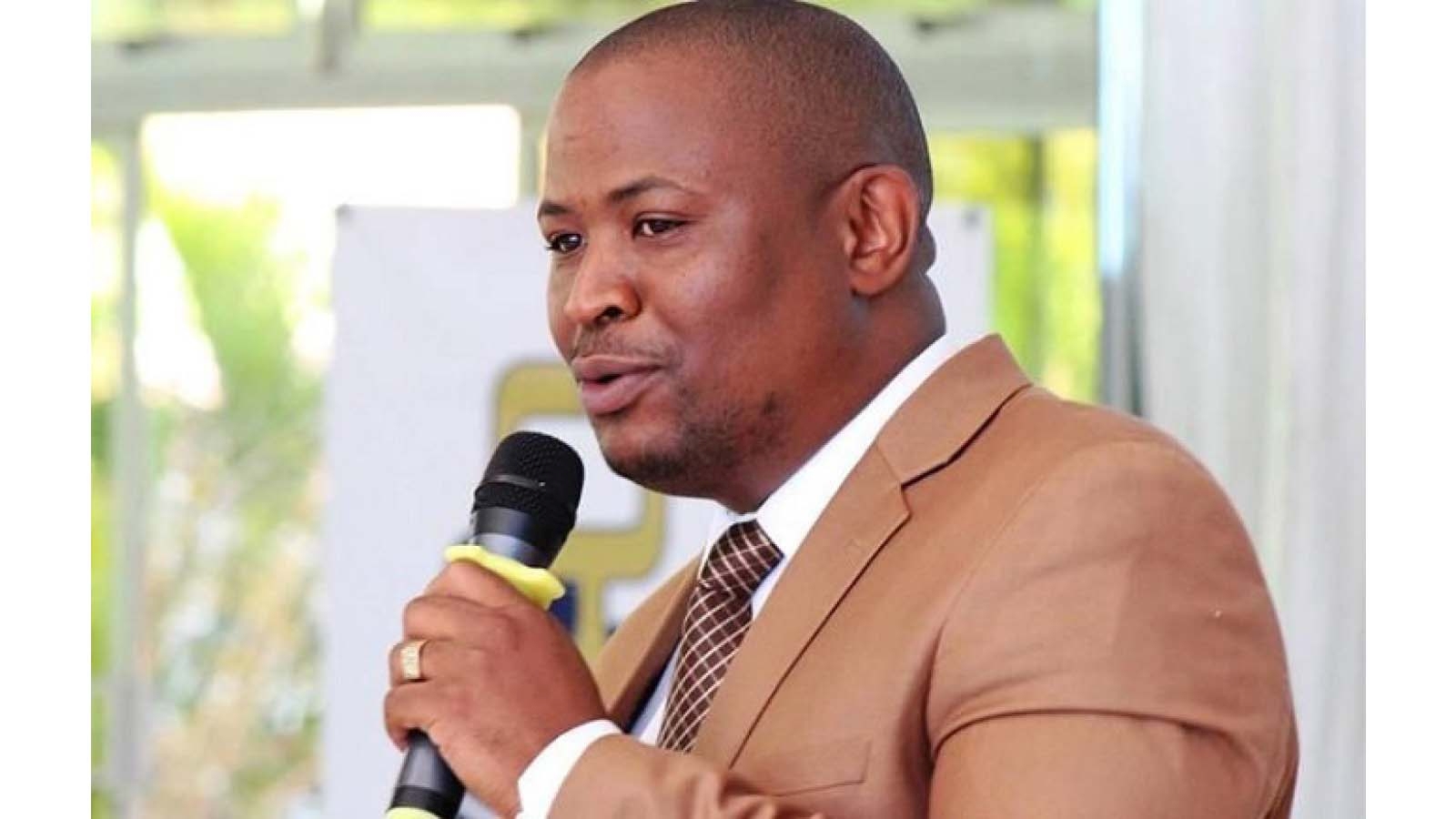
- Vengai Madzima is a property consultant and analyst with Wisdom Properties. He can be contacted on 0772 468093 email: [email protected]


 Online Reporter