Online Reporter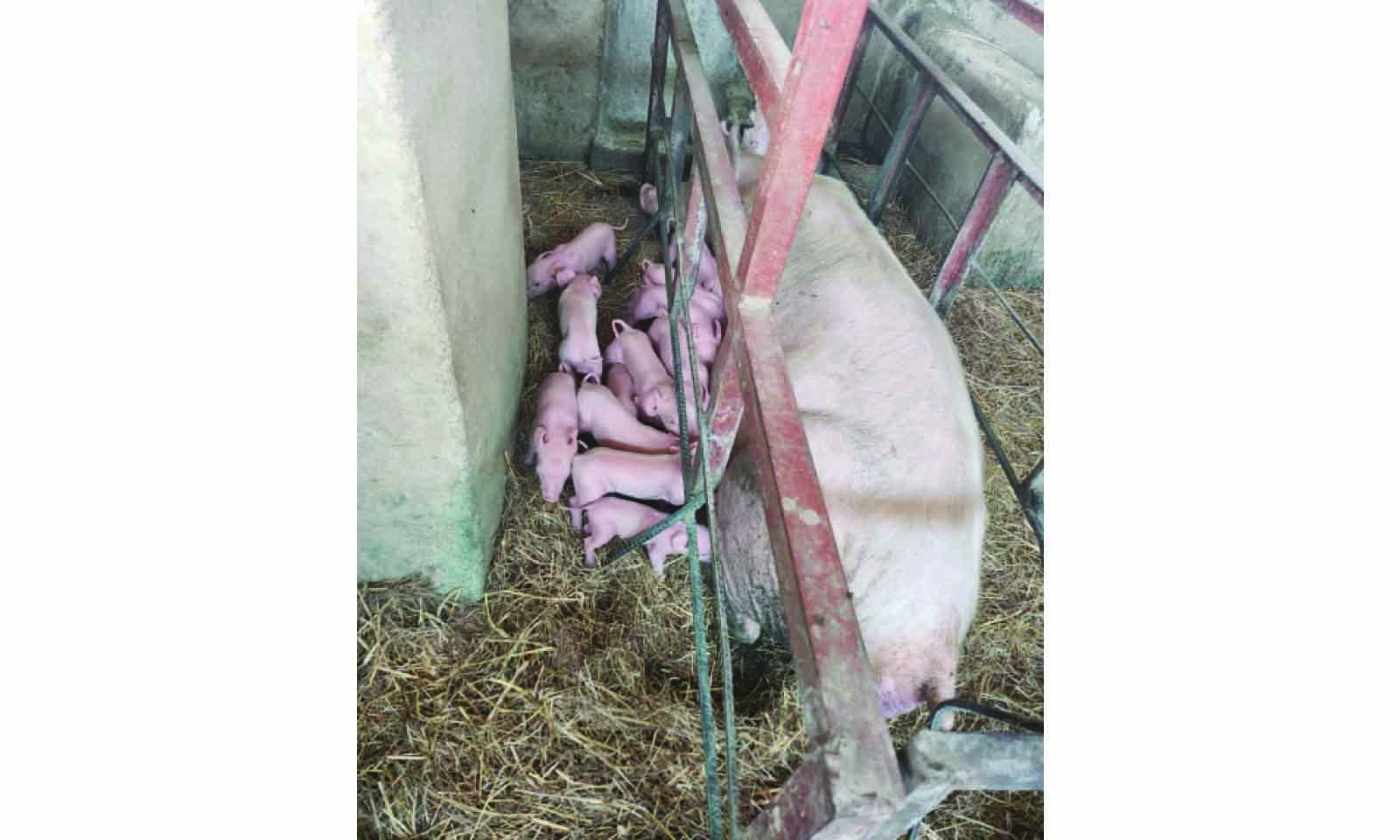
Lesley Chikudo
VICTORIA Muchenje isn’t just a farmer; she’s a force of nature.
She has carved a thriving business from the soil, transforming a lifelong passion thanks to resilience, innovation, and female empowerment. Her journey, far from being a smooth furrow, has been ploughed through adversity. Her story isn’t just about growing crops or raising livestock; it’s about growing dreams and nurturing a community.
Born in Bulawayo and raised in a family of six girls, Victoria completed her secondary education at Townsend Girls High School in 2005. Inspired by her late father, Anthony Lunga, an agro-business advisor, she developed a strong desire to make her mark in agriculture. His stories of commercial farmers who started from humble beginnings fuelled her ambition.
After graduating with a degree in Business and Marketing Management, Victoria entered the corporate world but remained determined to start her own business.
In 2017, with her husband, David Muchenje’s support and savings from her previous job as a distributor for Varun Beverages, she bought a three-acre plot in Kensington, Umguza District. Initially venturing into horticulture, Victoria enjoyed success with her first harvests, which allowed her to invest in infrastructure. She later enrolled with the Pig Industry Board (PIB) for mentorship in pig farming, a significant turning point in her journey.
“After acquiring the plot, I started with horticulture as it wasn’t capital-intensive. With successful harvests, I then obtained training in piggery, which opened up new opportunities for my business,” she said.
Victoria began with a small number of pigs, but as she honed her skills and expanded her knowledge, her poultry project grew. Within a few years, she was producing around 250 pigs annually. This remarkable achievement established her as a successful small-scale pig farmer in Umguza. A switch to direct-to-customer sales significantly boosted her business.
“Previously, I sold to local markets, which offered small margins. With a new website and direct sales, I saw a 40 percent increase in profit margins,” she said.
Her commitment to sustainability and quality contributed to surging demand for her ethically produced pork.
Despite her success, Victoria faced numerous challenges. Limited access to resources, financing, and technical support is common for women in agriculture. To overcome these hurdles, she reinvested profits from her horticulture project and pursued continuous education in pig husbandry.
“By attending training programmes and workshops, I gained the knowledge needed to manage my farm effectively,” she said.
Establishing a reliable market for her products was initially difficult, but Victoria used social media and local farmers’ markets to promote her business. Building a strong online presence allowed her to create a loyal customer base that valued quality and sustainability.
Maintaining herd health is crucial, and she established partnerships with local vets to monitor her pigs’ health. Victoria also involves her family in the farm operations, balancing her roles as a mother and entrepreneur.
Her journey has instilled resilience and adaptability, teaching her to navigate the ever-changing agricultural landscape.
“I face challenges like fluctuating market prices and climate-related issues, but I stay informed about industry trends and adapt my strategies when needed,” she said.
Victoria’s success isn’t just measured by profits, but also by the positive impact she’s had on her community. She has created jobs for locals, including two women who work in her pigsties and fields.
“My piggery project became more than a business; it became a story of hope and resilience,” she said.
Recently, Victoria was selected by the Academy of Women Entrepreneurs (AWE) for advanced training, recognising her efforts and placing her among the top 100 women in business. “AWE’s commitment to fostering entrepreneurship has profoundly impacted my life,” she pointed out.
As her business continues to thrive, Victoria is exploring eco-friendly practices, such as water-saving technologies and data analytics for monitoring her pigs. She aims to expand production and introduce resilient pig breeds to meet the growing demand for high-quality pork.
“I hope to create more job opportunities within my community and contribute to local economic growth,” said Victoria. Her vision includes establishing training programmes focused on pig farming, creating a network for women to collaborate and support each other.
“I believe that anyone can break barriers and lift communities out of poverty,” said Victoria.