Online Reporter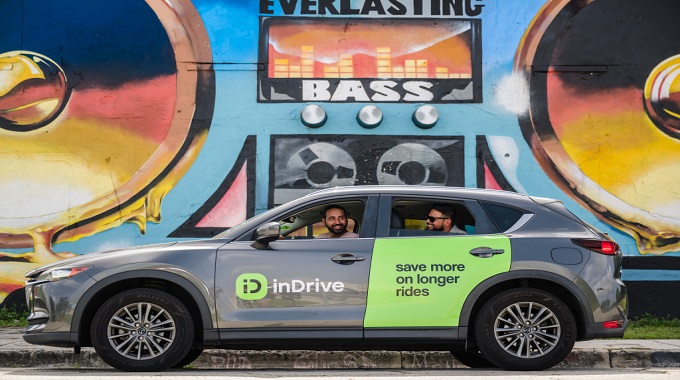
Dr Cliford Gobo
Zimbabwe’s urban transport system is undergoing a quiet revolution.
The disruption is not in new highways or fleets of buses, but in the palm of commuters’ hands.
Ride-hailing apps such as InDrive, Vaya and Tap & Go have transformed how people move, how drivers earn and how regulators think about fairness and safety.
For some, this digital wave is a blessing.
For others, it is a curse.
The rise of ride-hailing
Over the past five years, ride-hailing platforms have gained traction in Harare, Bulawayo and other cities.
InDrive, a global entrant, introduced its name-your-price model, allowing passengers to negotiate fares directly with drivers.
Vaya, backed by Econet, marketed itself as a proudly Zimbabwean innovation, promising convenience and integration with mobile money.
Tap & Go targeted urban commuters with affordable, cashless rides.
For passengers, the appeal is obvious: no more waiting at taxi ranks or haggling with kombi drivers.
Instead, rides can be booked instantly, tracked via GPS and paid for digitally.
For many urban professionals and students, ride-hailing has become synonymous with modernity.
But disruption is never neutral.
For drivers, the ride-hailing boom has been both an opportunity and threat.
Traditional taxi associations argue that ride-hailing platforms undercut them by offering lower fares without bearing the same regulatory burdens.
Yet even ride-hailing drivers complain of exploitation. Commission rates, fuel costs and vehicle maintenance eat into earnings.
Safety is another dimension of disruption. For passengers, ride-hailing apps offer a sense of security: GPS tracking, driver ratings and digital receipts.
Women in particular have embraced these services as safer alternatives to unregulated taxis or overcrowded kombis. Drivers, too, face risks.
Negotiated fares on InDrive sometimes spark disputes, with passengers refusing to pay agreed amounts.
Late-night pickups expose drivers to crime.
Fairness and regulation
The fairness question looms large.
Who benefits most from disruption — the passenger, the driver or the platform?
Zimbabwe’s regulatory framework has struggled to keep pace.
Globally, governments have wrestled with similar dilemmas.
In South Africa, Uber drivers staged protests over commissions and safety.
In Kenya, regulators introduced licensing requirements for ride-hailing companies. Zimbabwe faces the same balancing act: encouraging innovation while protecting livelihoods and ensuring fairness. For ordinary commuters, the ride-hailing revolution is a mixed bag. While others welcome transparency, accountability remains a concern.
Complaints often vanish into digital customer service portals, with little recourse.
If a kombi driver misbehaves, one can report to their respective associations, but with apps, you just send an email but who listens?
So, is disruptive technology in Zimbabwe’s road transport sector a blessing or curse? The answer lies in perspective.
Blessing: For passengers, ride-hailing offers modern convenience, safety features and digital integration.
For unemployed youths, it provides new income opportunities.
For cities, it signals progress towards smart mobility.
Curse: For traditional taxi operators, it erodes livelihoods.
For drivers, it often means long hours and thin margins.
For regulators, it creates headaches around fairness, safety and taxation.
Ultimately, disruption is neither wholly good nor wholly bad.
It is a force that reshapes systems, demanding adaptation.
Zimbabwe’s challenge is to harness the benefits while mitigating the harms.
The road ahead
Experts suggest several pathways forward:
Regulation: Clear licensing, insurance and safety standards for ride-hailing platforms.
Fairness: Transparent commission structures and protection for drivers.
Integration: Linking ride-hailing with public transport to create a cohesive mobility system.
Education: Training drivers on safety, customer service and digital literacy.
If Zimbabwe can strike this balance, ride-hailing could evolve from disruptive novelty to sustainable solution.
If not, it risks deepening tensions between passengers, drivers and regulators.
Disruption in transport is not just about apps and algorithms.
It is about livelihoods, safety, fairness and whether everyday travellers feel protected or exploited.
Zimbabwe’s ride-hailing wave — InDrive, Vaya, Tap & Go — has shifted how people move and how drivers earn.
Whether this becomes a blessing or curse depends on choices made today: by policymakers, by platforms and by society at large.
Dr Cliford Gobo holds a Doctorate Degree in Business Administration (Finance). He has research interest in transport infrastructure finance and economics, public funds management, road safety finance, ethics, governance, organisational spirituality and strategy.