Online Reporter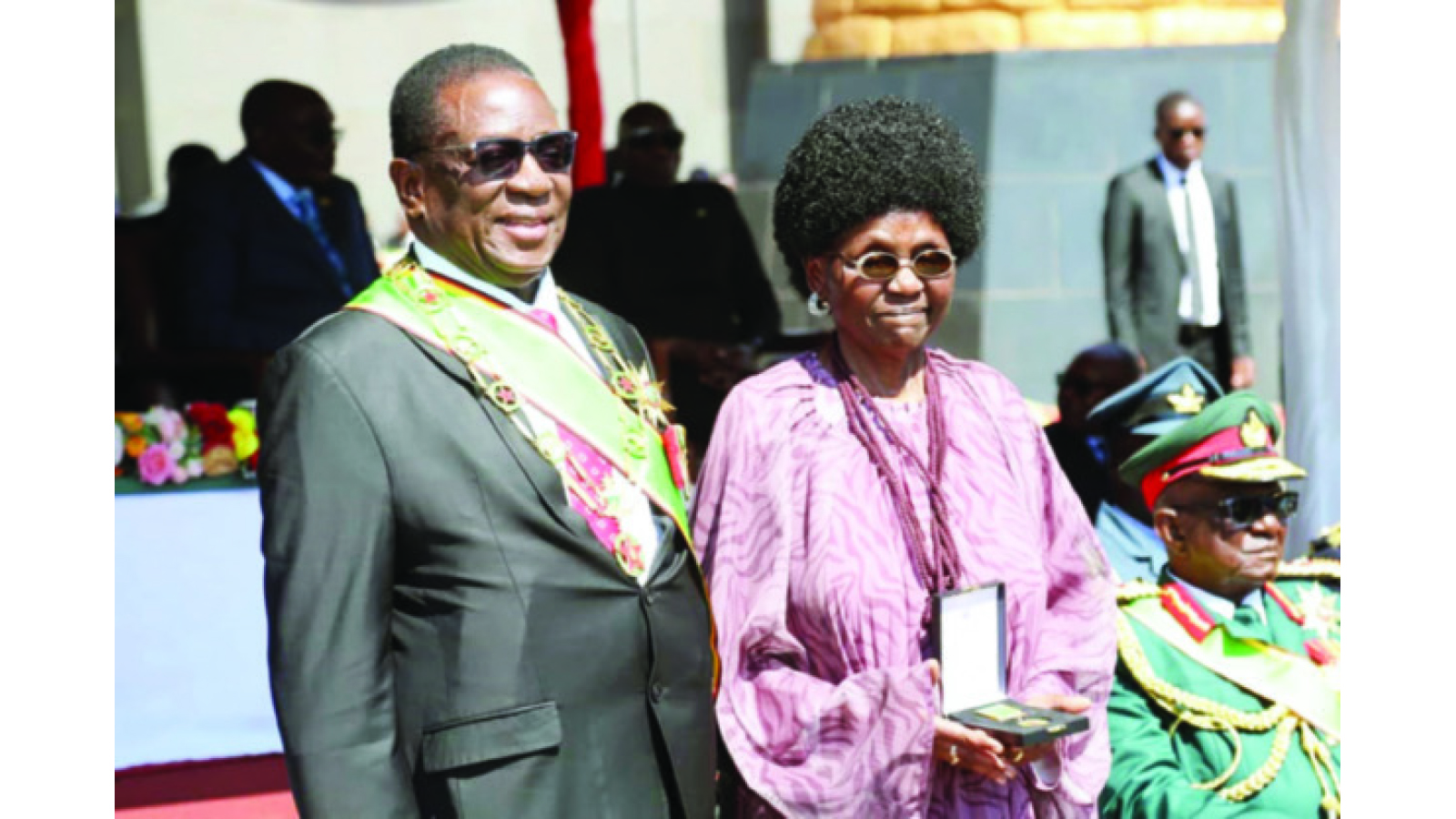
Nick Mangwana-Government Up Close
“I shall also preside over the investiture of awards of the Highest Order, which include the Royal Order of Munhumutapa, Silver Cross of Zimbabwe and the Robert Mugabe Commendation Award for Service in Human Capital Development. Independence medals for eligible veterans of the liberation struggle, will also be conferred throughout our various provinces. In recognition of the sterling contribution to our national development and unity being made by members of the public sector, some civil servants will be conferred with awards for their long service to our country.
“I call upon all of us, to play our part to spur economic growth, employment and wealth creation opportunities, along with harmonious and clean communities. The duty to achieve a thriving, industrialised and prosperous economy lies with all of us.”
These were the words of President Mnangagwa on the occasion of the 2025 Heroes Day commemoration. His Excellency highlighted that as Zimbabwe continues to forge ahead on its path to development and progress, it’s essential to recognise and celebrate a new generation of heroes. While the country’s liberation struggle heroes will forever be etched in our collective memory, a new wave of individuals is emerging, making significant contributions to various fields and redefining what it means to be a hero in modern Zimbabwe.
President Mnangagwa emphasised the importance of recognising heroism beyond the war of liberation.
He highlighted the need to acknowledge the contributions of individuals from various fields, including the public sector, commerce, and industry. This approach encourages young people to strive for excellence and make a positive impact in their communities.
His words echo the sentiments he expressed at the burial of national Hero Dr Sydney Gata, where he praised the late hero’s selfless dedication and persistent commitment to the country. Dr Gata’s contributions to the field of engineering and his role as executive chairman of ZESA serve as an inspiration to many.
Today, a new breed of heroes is emerging, distinguished by their contributions to various areas of society. These individuals are not only transforming the lives of others but also contributing to the country’s growth and development. They are the entrepreneurs, innovators, artists, and community leaders who are redefining what it means to be a hero.
The National Development Strategy (NDS) provides a framework for Zimbabwe’s development, and it’s heartening to see that the Government is committed to recognising and rewarding individuals who contribute to the country’s growth.
By celebrating these new heroes, we can inspire others to follow in their footsteps and work towards creating a more prosperous and equitable society.
As President Mnangagwa noted, the duty to achieve a thriving, industrialised, and prosperous economy lies with all of us. We must work together to spur economic growth, employment, and wealth creation opportunities. We must also strive to create harmonious and clean communities, where everyone has access to opportunities and resources.
The spirit of sacrifice and patriotism that defined our liberation struggle heroes is still relevant today. However, the context and expression of these values has evolved, and it’s essential that we recognize and celebrate this evolution.
By doing so, we can create a more inclusive and nuanced understanding of what it means to be a hero.
As we look to the future, it’s essential that we create an environment that supports and encourages the emergence of new heroes.
This requires investment in education, innovation, and community development. It also requires us to recognise and celebrate the contributions of individuals from various fields, not just those who have achieved national recognition.
The emergence of new heroes beyond the liberation struggle is a significant development in Zimbabwe’s history. It’s a testament to the country’s progress and its people’s resilience.
By recognising and celebrating these new heroes, we can create a more inclusive and nuanced understanding of what it means to be a hero. We can also inspire others to strive for excellence and make a positive impact in their communities.
Let’s continue to celebrate the heroes of our liberation struggle while also recognising the contributions of individuals from various fields. Let’s create an environment that supports and encourages the emergence of new heroes, and let’s work together to build a more prosperous and equitable society for all Zimbabweans. By doing so, we can ensure that the spirit of heroism continues to thrive in our country, inspiring future generations to make a positive impact in the world.
Zimbabwe is witnessing a significant shift in its definition of heroism, moving beyond the traditional liberation war narrative to recognize individuals who have made substantial contributions to the country’s development in various fields. This change is exemplified by the declaration of national heroes such as Oliver
Oliver Mtukudzi, the renowned Afro-jazz musician, who was posthumously awarded the highest honour for his contributions to Zimbabwean music and culture. Mtukudzi’s legacy serves as a testament to the country’s evolving understanding of heroism. As the first musician to be declared a national hero, he paved the way for others who have excelled in different areas to be recognized for their achievements.
The shift towards recognising diverse forms of heroism is already in motion. The President’s declaration at Dr Gata’s burial only formalised what was already in practice. Cde Garikayi Magadzire was declared a national hero when he did not have an armed Struggle history.
So was philanthropist Jairosi Jiri. Doing this is crucial for several reasons. By acknowledging individuals who have made a positive impact through their work, we can inspire young people to strive for excellence and contribute to the country’s growth and development.
The recognition of heroes like Mtukudzi also reflects the changing values and priorities of Zimbabwean society, where contributions to arts, culture, and other fields are increasingly valued.
Moreover, celebrating heroes from various backgrounds and industries can foster national pride and unity, encouraging Zimbabweans to appreciate their diverse heritage.
While the National Heroes Acre is a revered institution for honouring liberation war heroes, it’s essential to consider alternative ways to recognise individuals who have made significant contributions to Zimbabwe’s development. A contextualised model of Hall of Fame could provide a platform to immortalise these individuals, ensuring their legacies are celebrated and their contributions remembered. Such a model could include initiatives like the Giraffe Heroes Project, which recognises and tells the stories of ordinary Zimbabweans who have taken courageous action to solve public problems, inspiring others to follow suit.
A system of national awards that acknowledges exceptional contributions in various fields, such as arts, sciences, sports, and community service is already in place and the Hall of Fame just canonizes other luminaries as not every one of them can be buried at the National Shrine.
Additionally, the Ministry of Information will engage the sister Ministry of ICT, Postal and Courier Services so that the two can partner on a digital platform to preserve the stories, achievements, and legacies of Zimbabwe’s heroes, making them accessible to future generations.
By embracing a broader definition of heroism and exploring innovative ways to recognise and celebrate our heroes, Zimbabwe can foster a culture of appreciation, inspire future generations, and promote national unity and pride.
This approach would not only honour the country’s rich history but also acknowledge the contributions of individuals who are shaping its present and future.
Nick Mangwana is the Permanent Secretary for Information, Publicity and Broadcasting Services