admin
admin
Showbiz Writer
Zimbabwean theatre has long been a vibrant tapestry woven with diverse styles and influences, but what truly defines its essence?
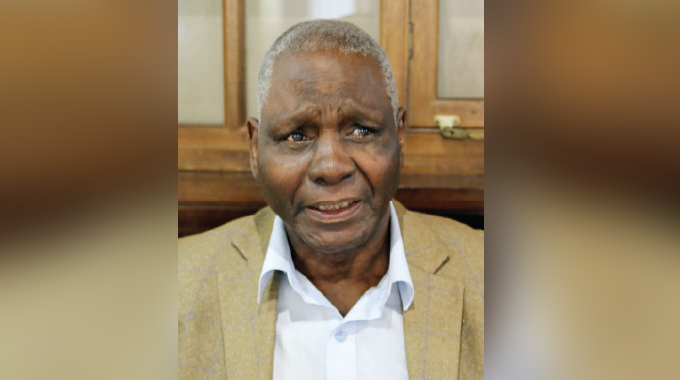
In a post on social media, renowned playwright Raisedon Baya addressed this question, shedding light on the complexities and nuances of theatre in Zimbabwe.
Reflecting on his years in theatre, Baya noted that the inquiry into a distinct Zimbabwean theatre style is not straightforward.
“Not because there is no Zimbabwean theatre,” he said, “but because there are so many forms and styles that make it so difficult to pick one and say this is distinctly and authentically Zimbabwean theatre.”
Baya stated that this diversity is what makes Zimbabwean theatre both fluid and colourful, characterised by a hybrid nature that borrows from various traditions and philosophies.
A Melting Pot of Influences
Baya highlighted the significant influence of South African township theatre, particularly in Matabeleland and surrounding areas.
This influence manifests in productions that are “brave,” “non-apologetic,” and rich in music and dance.
“It is rare to find a theatre piece in the region that has no music and a bit of dance,” he said, emphasising the energetic and absorbing nature of these performances.
For example, Siyaya Art’s Zambezi Express, a dance production and musical that toured internationally, is one of the many plays that have emerged from this city, epitomising Baya’s sentiments.
Conversely, in other parts of Zimbabwe, theatre often leans towards comedy and satire, tackling serious social issues in a more digestible manner. Baya cited prominent figures like Ben Sibenke and Kapfupi, who have paved the way for this comedic approach.
Yet, he also recognised a more serious strand of theatre that borrows heavily from Western structures, creating a contrast within the artistic landscape.
The Question of Identity
As Baya pondered the need for a distinctly Zimbabwean theatre, he posed a philosophical question:
“Is it important that there should be a theatre that is distinctly called Zimbabwean theatre? Or is theatre just theatre, like soccer is just soccer or horse racing is just horse racing?”
This inquiry invites audiences to contemplate not just the identity of Zimbabwean theatre but also its purpose and impact.
Baya suggested that perhaps Zimbabwean theatre should reflect the opposite of what people experience every day. “Perhaps our theatre venues should be places of hope—places of healing,” he said.
A Call for Resilience and Innovation
Despite the challenges faced by the theatre community, Baya expressed optimism. “It is a miracle that our theatre has survived the darkest of times,” he said, highlighting its resilience amid a backdrop of societal struggles, chief among them, funding.
In Zimbabwe, theatre like other so called sub genres receive little or no funding from corporates as many businesses are hesitant to invest in theatre due to perceived risks and the prioritisation of more immediate business needs over cultural sponsorship.
Many theatre groups rely on foreign grants or aid, which can be inconsistent and subject to the priorities of international donors and eventually lost its mojo when art practitioners started catering to the taste of donors at the dawn of the 21st century.
Baya called for a move away from merely dark themes, advocating for a theatre that is “outspoken and critical,” artistic and experimental.
“Our theatre must have audiences ‘holding their breath’ in anticipation,” Baya said, underscoring the need for innovation and creativity.
“The challenge lies not only in reflecting the realities of life in Zimbabwe but also in crafting experiences that inspire hope and imagination.” (@TheChronicle)


 Online Reporter