Online Reporter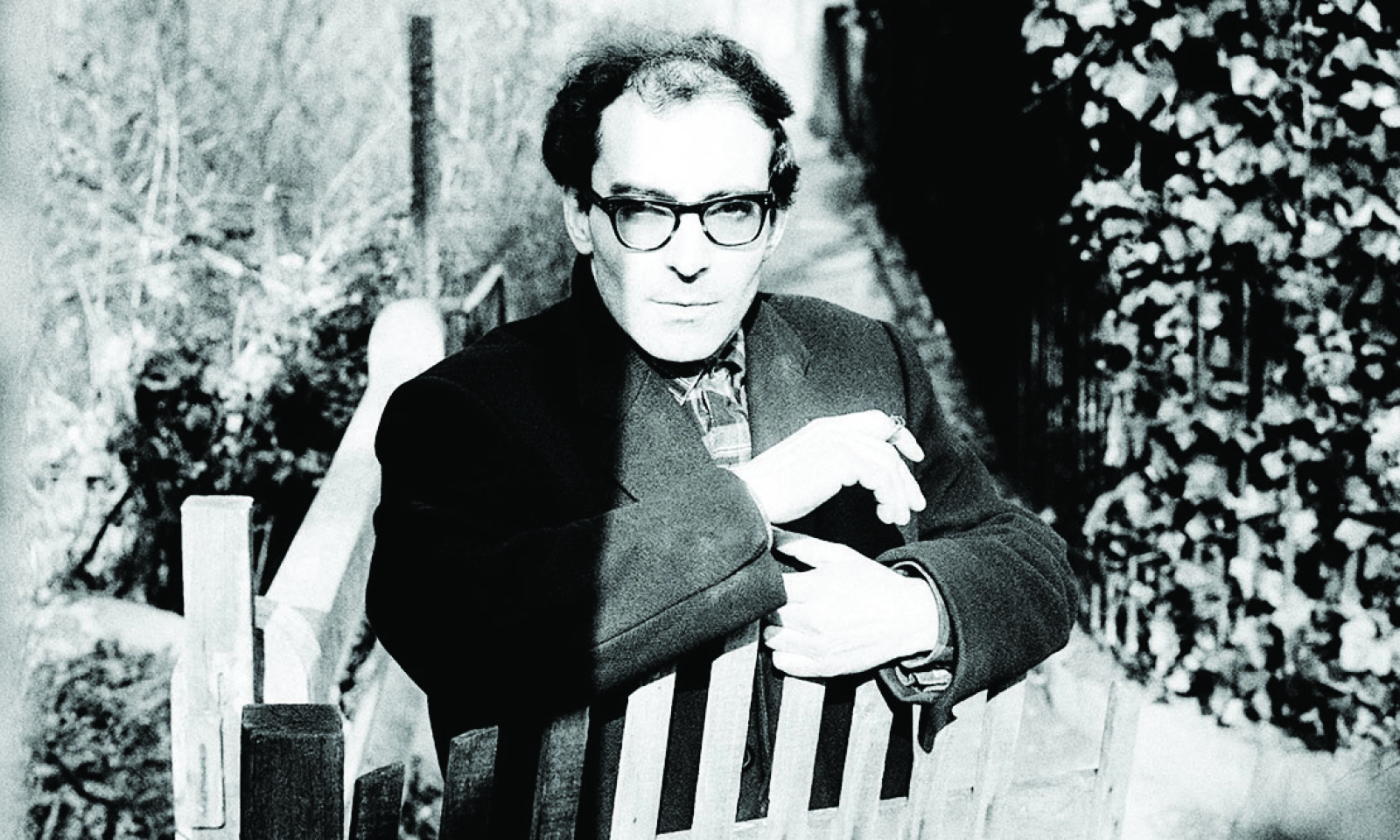
LONDON. − Jean-Luc Godard was crystal clear about what he planned to do with his feature-length film debut, Breathless (À bout de souffle), which was released 65 years ago this month.
He wanted to blow up the whole idea of what cinema was.
In 1964, the director told the BBC’s Olivier Todd: “It was a film which took everything the cinema had done − girls, gangsters, cars − exploded all this and put an end once and for all to the old style.”
Stylish and semi-improvised, Breathless seemed revolutionary when it hit French screens on 16 March 1960.
With its fragmented editing, offbeat dialogue and nonchalant approach to storytelling, it helped rewrite the language of modern cinema.
As renowned US film critic Roger Ebert wrote: “No debut film since Citizen Kane in 1942 has been as influential.” On its surface, Breathless’s plot resembles that of a hard-boiled crime thriller.
It tells the story of amoral, impulsive petty criminal Michel Poiccard (played by Jean-Paul Belmondo) and his doomed relationship with the enigmatic Patricia Franchini (Jean Seberg), an American journalism student living in Paris.
The film’s plot plays out as Michel tries to evade arrest after murdering a policeman: he struggles to collect the money necessary to fund his escape and to convince the ambivalent Patricia to flee with him to Italy.
But its director was not so much concerned with its crime narrative as he was with shattering cinematic conventions.
Due to its limited budget, Godard’s plan was to make the cheapest film possible.
So instead of shooting in a studio where he would be able to control the lighting, the sound and the set, he took to the streets of Paris with his cinematographer, Raoul Coutard, who filmed on location using a lightweight handheld camera and relying on natural light.
The camera, while portable and effective at filming in low-light conditions, was both noisy and unable to record synchronised sound.
This meant that nearly all of the improvised lines of dialogue needed to be written down as Belmondo and Seberg ad-libbed, and then dubbed in post-production.
This resulted in the later recorded dialogue often not matching the actors’ lips, leading to debates that continue to this day about what the characters are actually saying.
Part of Breathless’s continuing influence on film-makers is in persuading them that it is possible for the viewer to do just what Godard did.
As Shaun of the Dead director Edgar Wright wrote after Godard died in 2022:
“It was ironic that he himself revered the Hollywood studio film-making system, as perhaps no other director inspired as many people to just pick up a camera and start shooting.” − BBC