Online Reporter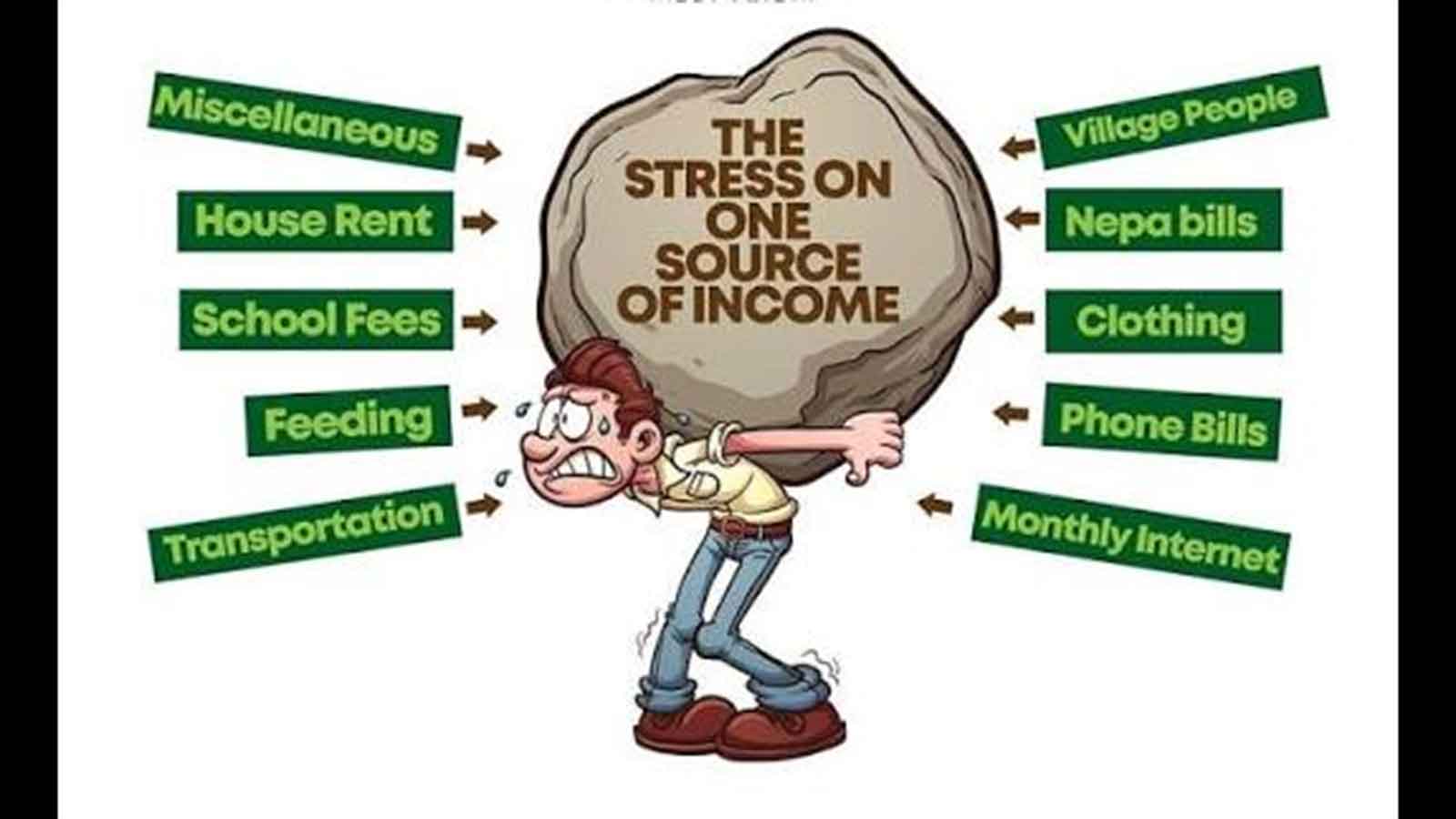
Dr Grace Musandirire-Building Generational Wealth
THE phone rang at 6am.
She answered with a trembling voice, hoping it was not the news she feared. For years, her husband’s salary had carried the family. It paid school fees, bought groceries, covered rent and utilities, and made sure the children never went to bed hungry.
But that morning, everything changed.
His job was gone.
There was no second income. No meaningful savings. No business bringing in money. No investment generating returns. There was only one income, and when it disappeared, the family’s entire financial foundation began to crumble.
This is a story that many families can relate to.
We often celebrate having a good job or earning a good salary, and rightly so. Employment can provide stability and dignity. But there is a hidden danger when one income becomes the only pillar supporting an entire family.
The painful truth is that income is not wealth.
Income helps us survive today. Wealth gives us security and options for tomorrow.
A salary can stop.
A contract can end. A business can experience a difficult season.
A customer can disappear. Retirement eventually arrives.
Unexpected circumstances can change our lives overnight.
We cannot control all these things, but we can prepare for them.
Building generational wealth requires us to ask a difficult question: If our main source of income disappeared tomorrow, how long could our family survive?
For many people, that question is uncomfortable because we have built our lives around earning and spending, rather than earning, building and multiplying.
Every month, money comes in and immediately goes out.
School fees are paid. Food is purchased. Bills are settled.
Loans are serviced. New clothes are bought.
A better car is acquired. The house is upgraded.
Then another month begins.
The cycle continues until retirement, and suddenly a person looks back and realises that although they earned money for decades, they did not build enough assets to support the life they worked so hard to create.
That is the hidden cost of depending on one income.
It is not necessarily that the income was too small. Sometimes the problem is that there was no strategy for turning income into assets.
We need to change the question from, “How much do I earn?” to “What am I building with what I earn?”
A salary can be the seed.
Part of it can be used to start a small business, acquire productive assets, invest, develop a skill or build something that can eventually generate additional income.
It does not have to happen overnight.
A family may begin with one income, but it should have a vision of creating multiple pillars of financial support.
Perhaps there is a small poultry project. Perhaps someone starts selling products. Perhaps the family invests in property. Perhaps a skill becomes a consultancy.
Perhaps a parent begins building a business that can eventually employ other family members.
The objective is not to do everything.
The objective is to ensure that the family’s future does not depend entirely on one person’s pay cheque.
This is especially important for women.
A woman should never believe that financial empowerment means she does not need her husband. It means she has the capacity to contribute, make decisions, create value and stand strong when circumstances change.
Families become stronger when both men and women understand money, build assets and participate in creating their financial future.
Our children also need to be part of this conversation.
Let us not only teach them how to ask for money. Let us teach them how to create it.
Let us teach them entrepreneurship, saving, investment, discipline and responsibility.
A child who learns how to create value can become an adult who creates opportunities for others.
That is how generational wealth is built.
It is also important to resist the temptation to increase our lifestyle every time our income increases.
When income rises, we should not automatically increase consumption. Sometimes the increase should go towards building an asset that can eventually produce another income stream.
The goal should be simple: every year, our family should be financially stronger than it was the year before.
We should own more productive assets. We should have better skills. We should have stronger businesses. We should have better financial knowledge. We should have systems that protect what we are building.
Because one day, our children will inherit the consequences of the financial decisions we make today.
They will either inherit a foundation or they will inherit unfinished struggles.
They will either start from where we started, or they will start from where we stopped.
That is why building generational wealth is not about becoming rich for ourselves.
It is about making sure that our children do not have to rebuild everything from zero.
Your salary is important.
Your business is important.
Your income is important.
But do not let your income become the destination.
Let it become the seed from which something greater grows.
Because when the pay cheque stops, the question will no longer be how much you earned.
The question will be what you built while you were earning.
That is the difference between earning an income and building a legacy.
Profile
Dr Grace Musandirire is an entrepreneur, evangelist, motivational speaker and advocate for Building Generational Wealth. She is the founder and owner of Graceland Waters Resort, and founder of Grabster Fisheries, Mukaba Solutions and Pearl Brands. Through her speaking engagements and community initiatives, she empowers women, families, young people and entrepreneurs with knowledge on entrepreneurship, financial empowerment and building sustainable wealth for future generations.