Online Reporter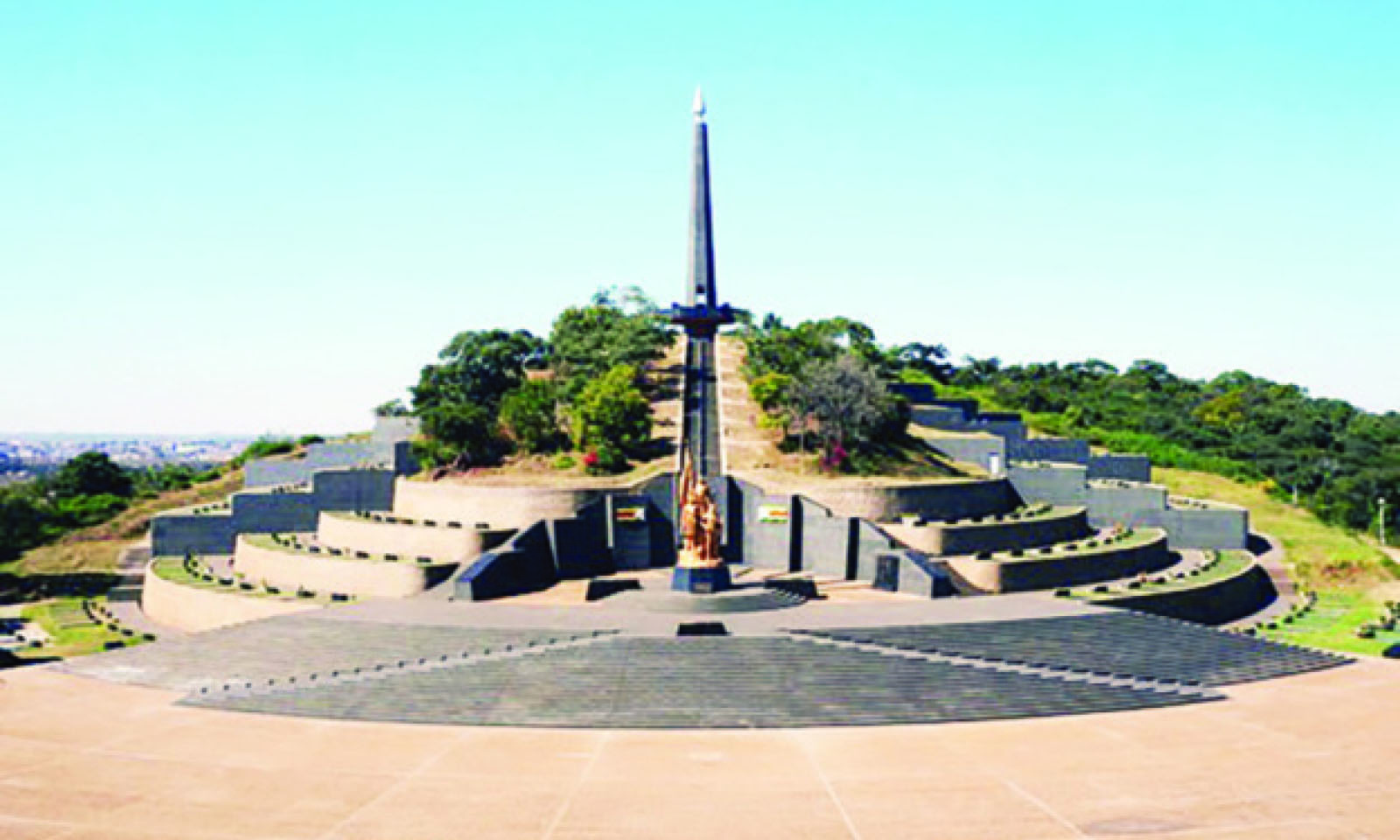
Innocent Mujeri
EVERY year, on the second Monday of August, the people of Zimbabwe unite in solemn celebration of Heroes’ Day, a national holiday that stands as a powerful testament to the bravery, sacrifice, and unwavering spirit of those who fought for the country’s independence.
This day is not merely a date on the calendar; it is a profound moment of national reflection, a time to honour the men and women who laid down their lives so that Zimbabwe could rise from the shackles of colonialism into a sovereign nation. The significance of Heroes’ Day runs deep in the heart of every Zimbabwean, serving as both a memorial to the fallen and a beacon of inspiration for future generations.
The origins of Heroes’ Day are rooted in the long and arduous struggle for liberation, a period marked by immense suffering, resilience, and ultimate triumph.
The choice of August for this commemoration is deeply symbolic, as it reflects key moments in Zimbabwe’s journey to freedom.
One of the most pivotal events was the Battle of Chimoio in 1977, a brutal confrontation in Mozambique where countless freedom fighters lost their lives in the pursuit of a liberated Zimbabwe.
This battle, along with others such as the Battle of Nyadzonia, became defining moments in the struggle, demonstrating the extraordinary courage of Zimbabwe’s sons and daughters. The institutionalisation of Heroes’ Day by the Government, under the leadership of the late President Robert Mugabe, was a deliberate act to ensure that the sacrifices of these heroes would never fade from national memory.
It stands as a permanent reminder that the freedom enjoyed today was bought with the blood, sweat, and tears of those who came before us.
Among the many heroes honoured on this day, certain names shine brightly in the annals of Zimbabwean history.
Joshua Nkomo, affectionately known as Father Zimbabwe, was a towering figure whose leadership transcended political divides. His vision of unity and reconciliation remains a guiding principle for the nation. Robert Mugabe, Zimbabwe’s founding father, was a revolutionary whose intellectual prowess and unyielding determination inspired a generation to fight for their rights.
Though his legacy is complex, his role in securing independence is undeniable. Josiah Tongogara, the revered military strategist, was a man of immense discipline and vision, whose leadership in the armed struggle was instrumental in bringing about liberation. His untimely death just before independence remains one of the great tragedies of Zimbabwe’s history, yet his legacy endures.
Other luminaries include Herbert Chitepo, the first black lawyer in Zimbabwe and a key ideological force behind the liberation movement; Leopold Takawira, whose passionate advocacy for freedom earned him the nickname “The Lion of Chirumanzi”; and Jason Moyo, a formidable organiser whose efforts strengthened the resistance.
And then there is Mbuya Nehanda, the spiritual icon whose defiance in the face of colonial execution became a rallying cry for future generations.
Her famous last words, “My bones shall rise again,” are etched into the national consciousness, symbolising the unbreakable spirit of the Zimbabwean people.
These heroes, along with countless others—some known, many unsung—form the foundation upon which modern Zimbabwe was built.
Heroes’ Day is marked by official ceremonies that reflect the gravity and grandeur of the occasion. The National Heroes Acre in Harare serves as the focal point of commemorations, where the nation’s leaders lay wreaths in honour of the departed.
The solemnity of the event is matched by its dignity, as military parades, speeches, and cultural performances pay tribute to those who gave everything for their country. Yet, beyond the formalities, the true essence of
Heroes’ Day lies in how ordinary Zimbabweans choose to remember and reflect.
Families gather to share stories of the struggle, schools hold special lessons on the nation’s history, and communities engage in acts of service that embody the selflessness of the heroes being honoured.
In recent years, there has been a growing conversation about how best to ensure that Heroes’ Day remains relevant, especially to the younger generation who did not witness the liberation struggle first-hand.
The Government, under the Second Republic, has taken proactive steps to address this by integrating the stories of national heroes into school curricula, supporting documentaries and books that preserve this history, and encouraging public discourse on the values that defined the struggle.
The introduction of innovation hubs and youth programmes named after heroes is another way of bridging the past and the present, showing that the spirit of the liberation fighters lives on in the pursuit of education, entrepreneurship, and national development.
However, Heroes’ Day is not just about looking backward; it is also about moving forward with purpose. The sacrifices of the past must inspire the nation to tackle present challenges with the same courage and unity. Zimbabwe today faces its battles — economic development, technological advancement, and social cohesion—but the lessons of the liberation struggle remain relevant.
The heroes of yesterday fought for a Zimbabwe that was free not just in name but in opportunity and dignity for all its people. As such, Heroes’ Day serves as a call to action, urging citizens to contribute to the nation’s progress in their own ways. Whether through hard work, community service, or innovation, every
Zimbabwean has a role to play in honouring the legacy of the heroes.
The Government has also emphasised the importance of inclusivity in Heroes’ Day commemorations. While the focus has traditionally been on political and military figures, there is increasing recognition of other contributors to Zimbabwe’s freedom and development.
Teachers who educated generations under difficult conditions, healthcare workers who served during times of crisis, farmers who feed the nation, and artists who preserve and promote Zimbabwean culture—all these individuals embody the heroic spirit in their own right.
By broadening the narrative, Heroes’ Day becomes a more holistic celebration of national pride and collective achievement.
As Zimbabwe continues to evolve, so too must the ways in which Heroes’ Day is observed. Some have suggested incorporating more interactive elements, such as national essay competitions for students, public lectures on liberation history, or community projects that reflect the heroes’ values.
Others advocate for greater use of digital platforms to share stories and engage the diaspora, ensuring that the meaning of the day resonates across borders. Whatever form it takes, the core objective remains the same: to keep alive the memory of those who made the ultimate sacrifice and to draw from their example in building a brighter future.
In conclusion, Heroes’ Day is much more than a holiday; it is a sacred tradition that binds the nation together in gratitude and resolve.
It is a day to remember that Zimbabwe was born out of struggle, nurtured by sacrifice, and sustained by the enduring ideals of freedom and self-determination. As the country moves forward, the legacy of its heroes serves as both a foundation and a compass, guiding the way toward unity, prosperity, and peace. This Heroes’
Day, let us not only pay tribute to the past but also recommit ourselves to the work that remains. Let us honour the heroes by living up to their vision, ensuring that their dreams for Zimbabwe are fully realised.
Long live the spirit of Zimbabwe’s heroes. Long live the nation they fought to create.