
While our column primarily focuses on business, recent events in Zimbabwe remind us that it is not business as usual.
The disturbing rise in gender-based violence calls for conversations that extend beyond the boardroom and into the social issues shaping our society.
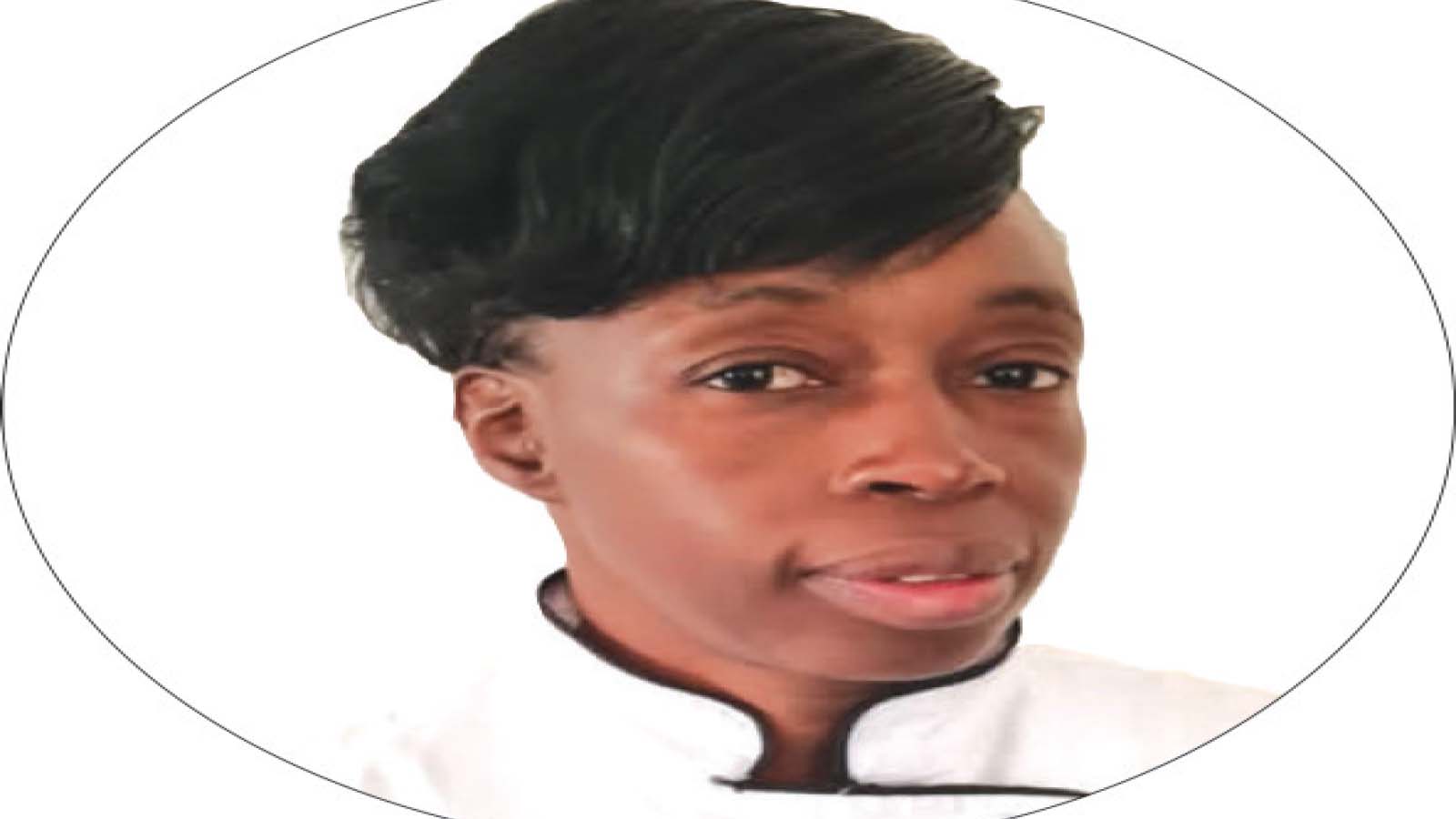
In light of this, I took a brief detour from our usual business focus to engage Dr Edwick Madzimure, an entrepreneur with interests in mining, a development studies scholar, a disarmament researcher and a gender advocate.
Our discussion explored the intersection of gender-based violence and suicide, two deeply concerning issues that demand urgent attention in Zimbabwe.
It was a conversation that highlighted the importance of looking beyond business to confront the broader societal challenges that affect individuals, families, communities and the economy.
The question: “How are you really doing?” sounds simple. Yet, in many families, workplaces and communities, it is rarely asked, and even more rarely answered honestly.
For Dr Madzimure, her journey into gender advocacy grew from witnessing how gender inequality, violence, climate change and economic vulnerability affect women and girls, particularly in rural and marginalised communities.
Her work now sits at the intersection of gender equality, peace and security, climate justice, militarism and sustainable development.
She founded Women International League for Peace and Freedom (WILPF) Zimbabwe in 2017 and serves as executive director for Zimbabwe Women for Gender Equality (ZIWGE).
It is through this work that she has increasingly come to see suicide prevention as inseparable from conversations about gender-based violence.
When violence does not end with the violence
Gender-based violence does not necessarily end when physical violence stops.
For survivors, the emotional and psychological consequences can continue long afterwards.
Rejection, stigma, isolation, prolonged trauma and economic vulnerability can leave people struggling to rebuild their lives.
Dr Madzimure says that through her work with survivors and communities, she has seen how GBV, intimate partner violence, poverty, social isolation, and pressure to remain silent can affect a person’s sense of hope and wellbeing.
That raises an important question: what happens to survivors after the immediate violence?
“Prevention” cannot simply mean stopping violence before it happens. It must also mean creating safe spaces, providing psychosocial support, reducing stigma and helping survivors regain agency.
For Dr Madzimure, this means recognising “the whole person behind the statistics”.
The burden of being strong
Gender expectations affect everyone, although they do not affect everyone in the same way.
For men, one of the most damaging expectations can be the idea that vulnerability is weakness.
Men are often taught to be strong, to suppress fear and sadness and to avoid asking for help.
But men can also experience violence, trauma, rejection, grief and emotional distress.
When those emotions have nowhere to go, distress may emerge through anger, isolation, substance use, harmful behaviour or withdrawal.
It can also prevent people from seeking counselling or other support.
Dr Madzimure argues that gender conversations must, therefore, include men, not simply as perpetrators of violence, but as human beings with emotions, vulnerabilities and experiences that require support.
Families can encourage boys to express their feelings rather than telling them to “man up.”
Schools can provide safe spaces where boys can talk about relationships, conflict and mental health without ridicule.
Workplaces can offer confidential counselling and psychosocial support, while training managers to recognise signs of distress.
On the other hand, women and girls face their own often-overlooked emotional burdens. Women are frequently expected to hold families together, care for others and remain strong even when they themselves are struggling.
She highlights the experiences of caregivers supporting family members affected by substance abuse.
While services may focus on rehabilitating the person using drugs, caregivers can also experience emotional suffering, stigma and accusations that they have failed their families.
Growing up under the digital gaze
Young people are navigating another layer of pressure: social media. Online platforms can expose young people constantly to carefully curated images of beauty, relationships, wealth, success and lifestyle. Comparing everyday reality with someone else’s carefully constructed “highlight reel” can affect confidence, belonging and wellbeing.
Girls may face expectations around appearance, body image, sexuality and relationships.
Boys may feel pressure to appear financially successful, strong and emotionally invulnerable.
The online world can bring cyberbullying, harassment and sexual exploitation, with consequences that extend into real-world relationships and emotional wellbeing.
Dr Madzimure says: “Young people need digital literacy, critical thinking and supportive environments in which they can discuss what they encounter online. Their worth should not be determined by likes, followers or conformity to gender expectations.”
Schools have an important role in that process. Rather than waiting until a learner reaches crisis point, schools can teach emotional resilience, healthy relationships, conflict management, coping skills and help-seeking behaviour.
Accessible counselling and clear referral pathways are also essential.
Teachers, meanwhile, need the knowledge to recognise signs of distress and respond appropriately, while creating classrooms free from bullying, discrimination and violence.
Challenging silence in communities
Stigma remains one of the biggest barriers to open conversations about mental health.
In some communities, mental illness may still be associated with shame, weakness or failure, while suicidal thoughts may be interpreted through spiritual or cultural explanations.
Faith leaders, traditional leaders and community organisations are often among the first people individuals approach when facing difficulties and can help reduce stigma by speaking responsibly about mental health and encouraging people to seek professional support.
With appropriate training, these leaders can recognise signs of distress and connect people to services.
Community organisations can provide safe spaces, support groups, and referral networks, while also challenging harmful gender norms, GBV, child marriages and discrimination.
For Dr Madzimure, meaningful suicide prevention is ultimately about more than crisis intervention.
A person should be able to say, “I am struggling,” “I feel overwhelmed” or “I don’t know how to cope” without being dismissed or judged.
For anyone silently carrying pain, her message is direct: you do not have to carry it alone.
Tell someone you trust. If you may act on suicidal thoughts or cannot keep yourself safe, seek immediate help from a trusted person, health professional, or emergency service and do not remain alone.