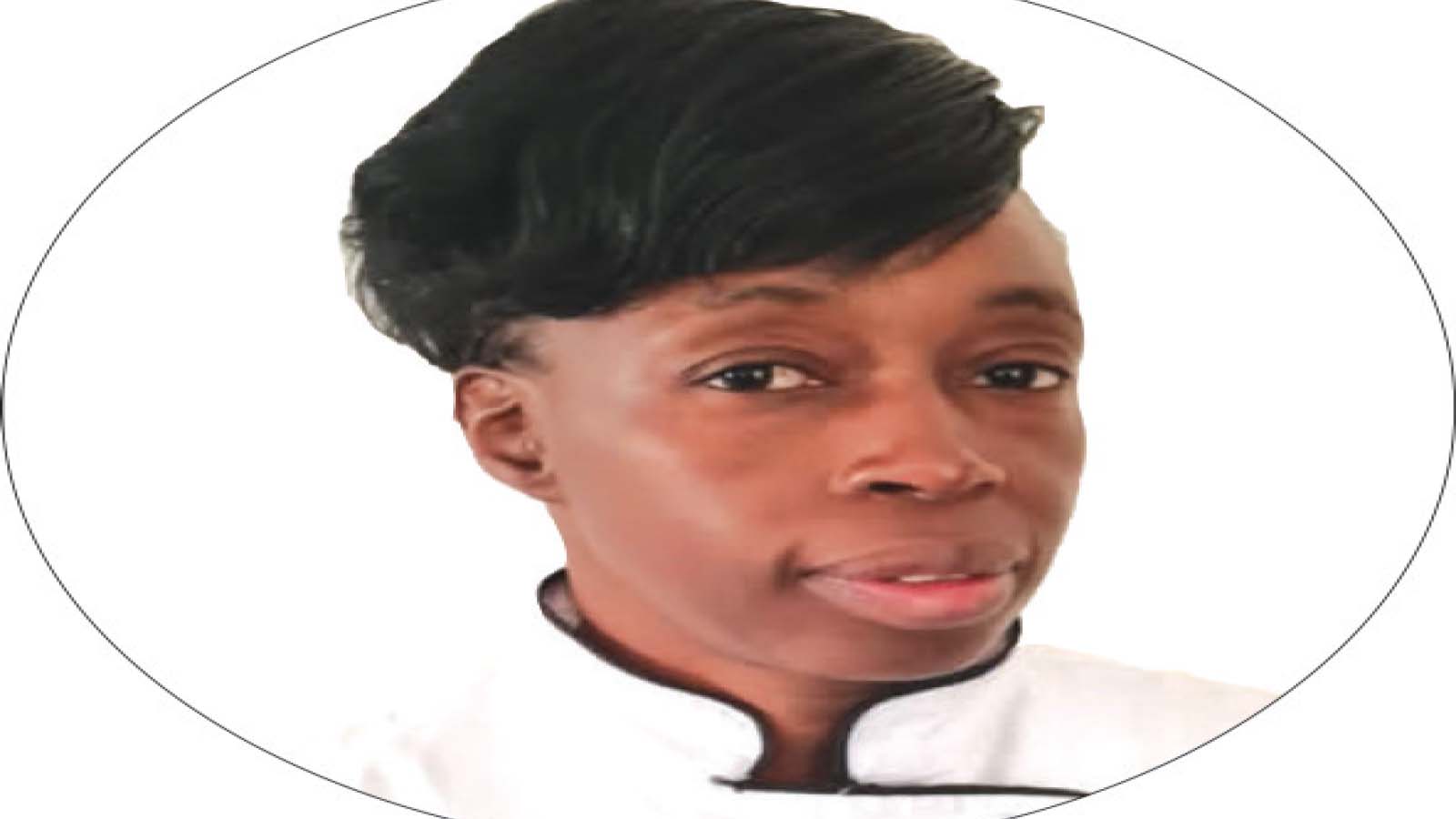
Maria Chiguvari
A man’s passion for fashion often subjects him to societal labels and stereotypes.
Similarly, women who express themselves through bold, artistic and trendy apparel frequently face harsh judgment.
This reality prompts a fundamental question: Should fashion define a person’s morality or has it merely become a convenient excuse to deny individuals respect?
In many communities, modelling — a profession rooted in creativity, discipline and authentic self-expression — continues to attract deep-seated prejudice.
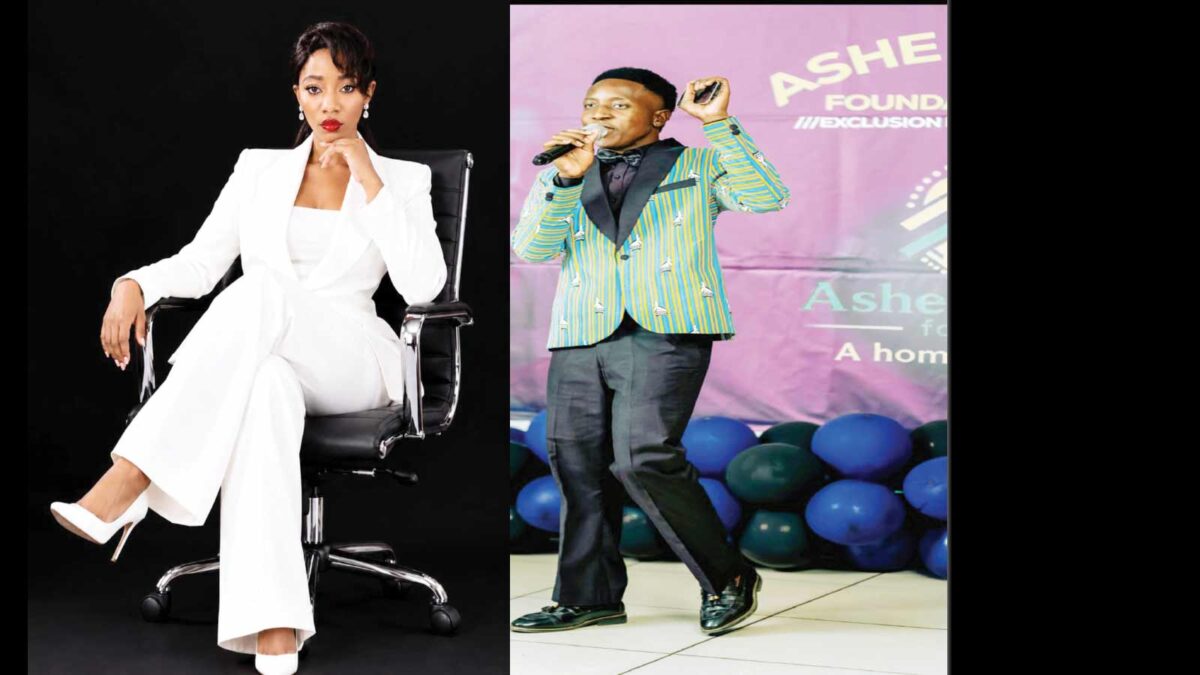
However, models Ashe Masimba Bvungu and Trinity Matenganyika are determined to change this narrative.
They argue that modelling is a legitimate career that should never be used as a metric to judge an individual’s sexuality, morality or character.
“It is unfair to judge someone’s sexuality or morals based on their career. Modelling is a profession and it does not define a person’s character or values. Everyone deserves respect regardless of their job,” said Trinity.
Her perspective underscores the formidable challenges models face as they try to build sustainable careers while navigating public misconceptions.
For Ashe, fashion extends far beyond donning designer clothes and walking down a runway; it serves as a powerful medium for storytelling and emotional resonance.
“Fashion, to me, is a story. It is an expression of emotions, love and all the words we sometimes struggle to say,” he said.
He also said the public must appreciate the immense dedication required in the industry.
Models collaborate closely with designers, photographers and creative directors to bring artistic visions to life, a process that demands rigorous preparation, confidence and professionalism.
Unfortunately, these creative efforts are often overshadowed by pervasive societal stereotypes.
Both models, Ashe and Trinity, showcased their talent on the runway at the just-ended Zimbabwe Fashion Week (ZFW).
For Ashe, reaching this stage represents a triumphant personal journey that began far from the glamour of the fashion world.
Raised in Birchenough, Ashe harboured ambitious dreams despite limited resources and opportunities.
While education helped build his confidence, modelling provided the creative outlet he needed to fully express himself.
Standing under the lights at ZFW, he viewed his performance as more than just a presentation of garments; he was telling the story of a young man who dared to rise above his circumstances.
“At Zimbabwe Fashion Week, I saw myself telling the story of a village boy from Birchenough Bridge, growing up in the mountains, who dreamed of the spotlight but faced limited resources and opportunities,” he said.
He hopes his journey will become a source of inspiration for aspiring creatives from marginalised backgrounds.
“I ventured into fashion because I have always loved clothes, creativity and the stories that fashion can tell. Every time I walk the runway, I see myself as more than a model. I see a young boy who once had a dream now showing other young stars that no matter where you come from or the challenges you face, it is possible to become who you aspire to be,” explained Ashe.
He believes talent abounds across Zimbabwe and is waiting for the right platforms to be discovered.
He regards Zimbabwe Fashion Week as a platform where models, designers and stylists can network, collaborate and showcase their craft to broader audiences.
His own achievements include finishing as second runner-up at both the Mr Midlands Show and Face of Gweru, alongside securing a spot in the Top Eight at Misters of Zimbabwe.
These experiences have reinforced his belief that success is measured not merely by winning titles, but by continuous growth, learning and uplifting others.
Trinity equally maintains that the fashion industry must take proactive measures to dismantle deep-rooted prejudices.
She advocates for models to speak out and share their lived experiences to demystify the industry.
She also urges show organisers to actively champion diversity by embracing individuals from various backgrounds, body types and gender identities.
Through targeted workshops, public discussions and educational campaigns, she believes the industry can foster greater understanding and eliminate uninformed judgments.
The affable model notes that designers, event coordinators and media stakeholders share a collective responsibility to cultivate an environment of inclusion and professional respect.
Ultimately, she reckons if fashion is fundamentally an art form meant for self-expression, models should be celebrated — rather than vilified — for bringing that art to life.
For Ashe, pushing for inclusivity extends far beyond the runway.
Through the Ashe Masimba Foundation, he works tirelessly to create opportunities for underrepresented groups, particularly children and persons with disabilities.
The foundation recently hosted a landmark event in Gweru, providing differently abled creatives with a dedicated space to demonstrate their artistic talents.
Ashe plans to turn this initiative into an annual inclusive fashion show.
He firmly believes that individuals with disabilities deserve equal access to career paths across the entire creative sector — not just as models, but as designers, fashion stylists, photographers and technical crew members.
True inclusion, he stresses, must transcend tokenism or sympathy.
“Give people a platform, not because you feel sorry for them, but because they deserve to be there,” he said.
He calls on the industry to move past passive invitations and focus on creating genuine economic opportunities that allow marginalised creatives to earn a living and build sustainable careers.
Praising initiatives like Zimbabwe Fashion Week and the Laita Atelier Bridal Show for opening doors for local talent, Ashe remains confident in fashion’s potential to drive positive social change.
Both models agree that meaningful progress begins with shifting mindsets and changing how society speaks about creative professions.
While Trinity continues to campaign for public education and open dialogue, Ashe remains focused on building tangible avenues for those historically left behind.