Vusumuzi Dube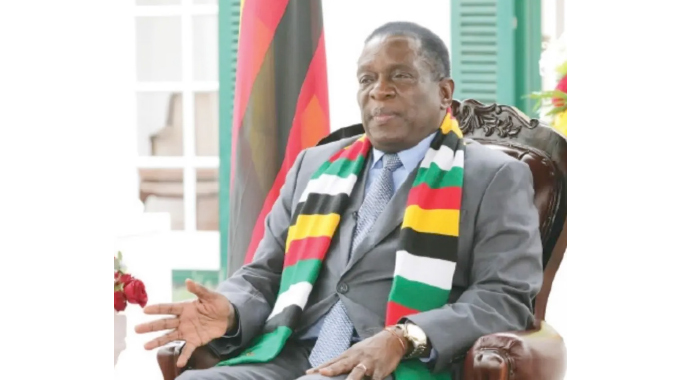
Vusumuzi Dube, Zimpapers Elections Desk
IN the realm of global politics, it is often the words and actions of leaders that capture the attention of the masses.
However, sometimes a simple article of clothing can become an emblem of a leader’s identity, capturing the imagination and curiosity of the world. Such is the case with President Mnangagwa, who has successfully popularised his iconic scarf, adorning it proudly at every major international event.
First spotted in Davos, Switzerland, in January during the World Economic Forum adorned by President Mnangagwa in January 2018, the scarf has since become a permanent apparel of the country’s leader, attending all major national and international engagements donning it.
Through this symbolic choice, President Mnangagwa has crafted a visual identity that both represents his leadership and resonates with the people of Zimbabwe. In recent years, the sight of President Mnangagwa stepping onto the global stage became synonymous with his vibrant scarf elegantly draped around his neck.
What began as a seemingly ordinary accessory has transcended its purpose, becoming a powerful symbol of national identity and unity. This distinctive scarf, adorned with colourful patterns reflecting the history and diverse cultures of Zimbabwe, has captured the imaginations of people worldwide.
By consistently showcasing this popular garment during prestigious international gatherings, President Mnangagwa has skilfully harnessed the power of symbolism. Each appearance serves not only as a fashion statement but also as a symbol of national pride and resilience.
The scarf has undoubtedly become a visual representation of Zimbabwe’s journey, embodying the aspirations and determination of its people. President Mnangagwa’s choice to prominently wear the scarf at major global events serves a two-fold purpose.
Firstly, it fosters a sense of national unity and identity among Zimbabweans, as they witness their leader proudly displaying their cultural heritage on an international stage. Secondly, it effectively communicates to the international community his commitment to uplifting and promoting the essence of Zimbabwean culture and diversity.
Furthermore, the scarf has become an essential tool for President Mnangagwa, engaging both domestic and foreign audiences, through the Second Republic’s re-engagement thrust, brought about by the friend to all and enemy to none mantra.
At the initial stages when he started donning the scarf, President Mnangagwa said it was a symbol of the pride he takes in being a Zimbabwean despite the challenges the country is facing. He said the scarf distinguishes Zimbabweans at any platform.
“Let me say that for the past two decades, Zimbabwe has been in isolation, but now since the new dispensation which came about two years ago, we want to be embraced by the rest of the nations of the international community again. To do so, we must be distinct. If you look around, you can easily see that is a Zimbabwean. So it is easy for the rest of the nations to identify us. We want to belong to the family of nations.
This is the flag of my country and we are proud to carry it. There is no other meaning except that we want to be distinct and say we are Zimbabweans, we are proud to be Zimbabweans and in spite of what is happening to my country, we still remain proud.”
Its prominent display not only sparks conversations and stories but also piques the curiosity of those unfamiliar with Zimbabwean history and traditions. In a way, this vivid garment acts as a conduit for dialogue, fostering greater understanding and appreciation of the country and its people.
The President’s signature scarf has emerged as a powerful symbol of identity and representation for the people of Zimbabwe. This unique accessory has not only solidified the adoption of a national fabric but has also drawn the attention of various celebrities who proudly wear the scarf, further enhancing its significance.
From its inception, the scarf has resonated deeply with citizens, symbolising national pride, unity, and hope. Its popularity and recognition has extended beyond the borders of Zimbabwe, capturing the attention of visitors and celebrities who recognise the power of this emblematic garment.
The importance of national identity and adoption of the national fabric
National identity plays a crucial role in fostering cohesion and unity within a diverse nation like Zimbabwe. The country’s history is marked by a rich tapestry of cultural traditions, ethnicities, and experiences, making the need for a unifying symbol all the more vital.
President Mnangagwa’s scarf fills this role, representing a tangible expression of shared national values and aspirations. Its vibrant colours, which mirror those of the Zimbabwean flag, hold deep significance, with each hue representing a unique aspect of the country’s history and culture.
The final adoption of a national fabric, exemplified by the President’s scarf, has been a significant step in fostering a sense of identity and belonging among Zimbabweans. This fabric serves as a unifying thread, transcending regional and tribal divisions that have sometimes caused tension in the past. The recognisable design and colours of the scarf signify a collective national pride, reminding citizens of their shared history, struggles, and hopes for a prosperous future.
Celebrity influence and global recognition
The scarf has garnered attention not only from the people of Zimbabwe but also from celebrities and influential figures visiting the nation. Celebrities who have donned the scarf during their visits have amplified its message of unity and representation, generating curiosity and discussion about Zimbabwe’s culture and heritage.
A number of international celebrities have been seen donning this now famous apparel these inclusive of Burna Boy, Rick Ross and more recently retired celebrity boxer Floyd “Money” Mayweather. When celebrities wear the scarf, they not only pay homage to the nation’s rich history but also demonstrate solidarity with its people.
These prominent figures serve as cultural ambassadors, using their platform to raise awareness about Zimbabwe’s unique identity and its journey towards progress. The scarf, being a visual representation of this identity, sparks interest in the nation’s cultural traditions, history, and potential. As celebrities showcase the scarf, it captures the attention of their fan base and the international community, creating positive perceptions and encouraging further engagement with Zimbabwe.
Economic opportunities, cultural preservation and national progress
The scarf has also brought about economic opportunities for local artisans and the textile industry. A creation of young entrepreneur, Celia Rukato’s Chjaa Enterprises (Private) Limited, the scarf became a hit with mostly Zimbabweans in the Diaspora which resulted in Chjaa getting the biggest orders from the Diaspora.
The increased demand for scarves, both within Zimbabwe and abroad, has created a market for skilled craftsmen and women, generating income and supporting livelihoods. This ripple effect underscores the significance of cultural expressions and their potential for socioeconomic development.
Additionally, the popularity of the scarf has resulted in a revival of interest in traditional Zimbabwean textile designs and techniques. This resurgence in cultural preservation contributes to the sustainability of local artistic traditions and reinforces a sense of national pride.
The scarf further symbolises Zimbabwe’s journey toward progress and the aspirations of its citizens. Its colours serve as a constant reminder of the nation’s past struggles and its determination to move forward. As a visible manifestation of unity and identity, the scarf functions as a rallying point for national development and cohesion.
Overall, President Mnangagwa’s signature scarf has become more than a fashion accessory; it embodies the hopes, dreams, and aspirations of the people of Zimbabwe. The President’s popularisation of his vibrant scarf at major international events represents a powerful demonstration of the role fashion and symbolism can play in raising awareness and generating pride.
It has become more than just an accessory; it is now an iconic emblem of Zimbabwean culture. By wearing this symbol on the global stage. The President effectively communicates his dedication to his nation’s heritage while captivating the attention and curiosity of the world.



 Online Reporter