Sidumisile Mabena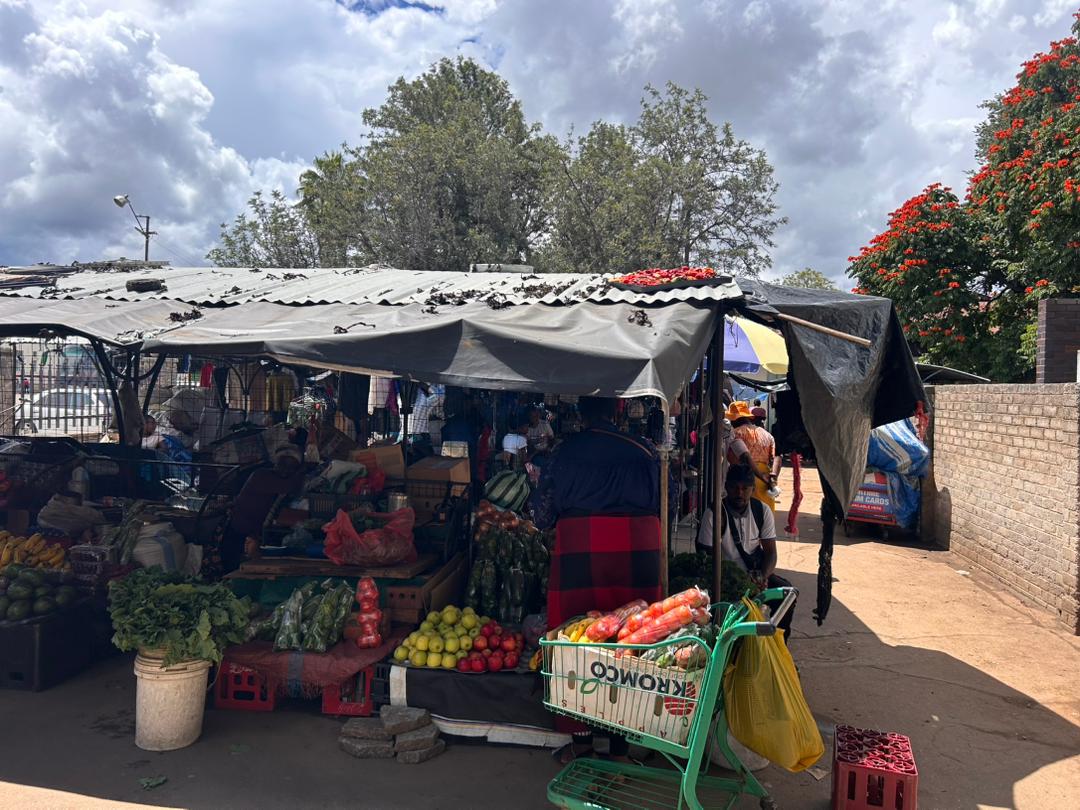
Online reporter
As Women’s Month commences the spotlight is on women who rarely make headlines but quietly sustain families and communities the vendors, street cleaners and general hands often described as the “invisible women” of society.
Before sunrise at 5am, Gogo Mpofu is already preparing for the day. For 30 years, the open market has been her office, her bank and sometimes her only source of hope.
“I have been a vendor for the past 30 years and nothing much has really changed so far,” she said, adjusting her neatly packed vegetables at her stall.
“It’s either you go home with two dollars or with nothing at all.”
Three decades in the informal sector have taught her resilience.
There are no guarantees, no paid leave and no pension waiting at the end of her journey. Yet she returns every day driven by the need to feed and educate her family.
As for her, there is a sense of solidarity with other women. Through the Bulawayo Vendors and Traders Association (BVTA) she has been taught to contribute money in rotating savings clubs and help each other with groceries every year when times are hard.
“As for Women’s Month, it is important because we are recognised by the society and we feel seen because they buy from us that is support.” Said Gogo Mpofu.
A few stalls away, Kathrine Mariwi echoes the same sentiments as the day stretches from 5am to 7pm which is 14 hours of standing, selling and hoping for customers.
“I am a prayerful woman, so I believe that what I get is what God has provided for me,” she said.“It’s not every day that you make good profits.”
Illness for her can mean disaster as a single sick day translates to no income.
“At times I might fall sick and I’m unable to attend to my work, making it hard for me to provide.”
Mrs Mariwi acknowledges small victories.
The Bulawayo City Council’s provision of vending license has brought a measure of stability and legitimacy to their trade, allowing them to operate without constant fear of displacement.
As Women’s Month commemorations unfold across the city and beyond, women like Gogo Mpofu and Mrs Mariwi continue their daily routine not seeking applause but recognition.
With their bruised hands and unwavering faith lies the quiet backbone of Bulawayo’s economy. They are invisible to many, yet crucial to all.


 Online Reporter