admin
admin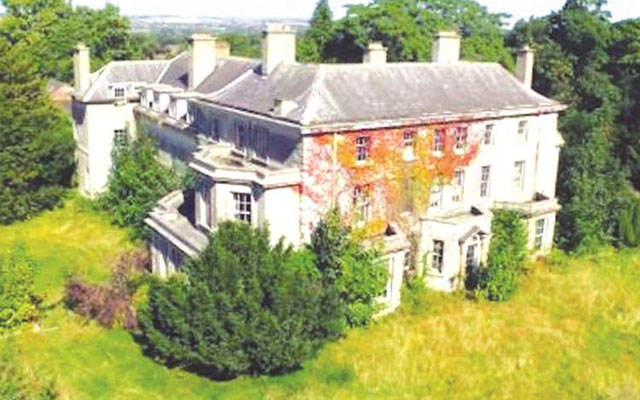

Sekai Nzenza on Wednesday
Our neighbour Jemba has been offered a job as caretaker of a huge double-storey mansion in a small village in Marange.
But he has turned down the offer.
My cousin Piri says Jemba is just one of those guys who are totally incapable of recognising good fortune when it falls on their lap. If a rich man based in the city builds a house in a village and has no one to live in it, what is wrong in letting others live in it?
We are in the village as usual, with my brother Sidney, the former teacher, my cousin Reuben, who used to live in Australia and Piri.
Jemba lives up the hill and always joins us for a meal and a drink.
“What is your problem?” Piri asks Jemba.
“You are not employed. You have no wife. You live alone in a little hut that you inherited from your parents. The same hut is your kitchen, bedroom, granary, dining room and storage for all your belongings. Now you are being offered a big mansion with many bedrooms and you say no?” Piri looks at Jemba with mockery in her eyes.
Jemba shows us some photos from his phone. He highlights a photo of a big house in Marange. It stands up high not too far from the tarred road.
Next door to this massive red-roofed house are small huts and granaries belonging to the neighbours.
“Ladies and gentlemen,” says Jemba standing up and addressing us. With a newspaper rolled cigarette at the corner of his mouth and Chibuku beer container in one hand, Jemba tells us that the mansion that he was supposed to go and look after belongs to a very rich man who grew up in Marange.
This man used to be a village herd boy. His parents struggled to send him to school during colonial days when Ian Smith, the then Prime Minister of Rhodesia, did not want many Africans to go past Grade Seven. But this man from Marange managed to get to university and graduated with an engineering degree.
He went to London and studied some more. Then he came back to Zimbabwe and started his own company and made money. Now he has several houses in Harare and lives like a king in one mansion.
“But, listen to this, the former village herd boy did not forget where he came from.
“He decided to build a big mansion so that when he comes back to the village, he can enjoy the same lifestyle that he has in the city,” Jemba says.
“And what is that lifestyle?” asks Piri, pouring herself yet another beer from the cooler box. Sometimes this team that I hang around with in the village drinks too much. Every weekend becomes a party.
“The big man from Marange did not want to use the bush as toilet like an African native. He also did not want to wash in the river or from a bucket like we do. Besides, his beautiful wife was born in the city and she is not the type to cook in a kitchen hut and suffer from the smoke. No. He wanted to show everyone that he has made money so he built the mansion,” says Jemba.
Reuben says he really likes the idea of a village mansion.
“Guys, life is about adjusting to change and moving with the times. If I had money, I would build my own upstairs house right here in the village. You are a nobody if you do not identify with your roots. But you must also be comfortable in the village the way our Marange brother has done.”
“Maroots ekudii? Zvine basa rei izvozvo kana uchivakisa zimba risinga gare munhu? Kuvakira garden boy? says Piri.
What have roots got to do with anything? Why would you build a big mansion for a garden boy?
Jemba will be living alone in the six-bedroomed house in Marange.
The engineer wanted someone trustworthy who could look after his house as a gardener and caretaker responsible for cleaning and dusting the house every day, changing the bedsheets once a fortnight even though nobody has slept in them. Jemba will also grow vegetables for his own consumption and for the chickens.
Once or twice per year, the house owner will visit the village with his family and enjoy the peaceful surroundings.
He will take his young boys into the forest and teach them how to trap mice, forage for wild fruits, make whips from the bark of a tree and teach the children other activities he used to enjoy as a young boy. This way, his city-born children will gain an insight into the past life of their father.
When we were growing up here, the development of the village was not part of our imagination because we associated the village with poverty and hardship.
There was a time in this homestead when there was no soap, sugar, flower or oil.
Life was hard.
We slept on the floor because there were not enough beds for all of us to sleep in.
We got bitten by tsikidzi, the red nasty bed bugs. We walked barefoot and endured the thorns and hard rocks.
We hardly ate meat except when there were visitors then a chicken.
Once a year, my grandmother Mbuya VaMandirowesa killed a beast at her leisure, mombe yemadiro.
We walked to school for many miles and dreamt that one day we would leave this village, find a job and buy a big house in Harare. Some of us would travel overseas. Over there, we were going to live in big houses similar to the ones we read about in English novels set in London or in the country side. We left the village and moved to the Western world in search of that dream.
Over there, we discovered the joys of freedom, the poverty of being an overseas student, the loneliness of missing village laughter, the foreign foods, the expensive accommodation and the racism of people who saw us as primitive people coming from a very backward African country where people lived in small smoke-filled huts. We tried very hard to tell Westerners that the hut was not the only type of accommodation in the village.
We had big corrugated iron-roofed houses with cement floors. But most people who had never been to Africa only identified us with the village huts. So, when we came back here, some of us wanted to change that image by building something similar to the house in the city.
Reuben says he wants to build a big house so that when he dies, mourners will see that he had a modernised home.
“Have you heard of stories of people who live flamboyant lifestyles and have big mansions in the city? Then when they are about to die, they ask to be buried back here in the village. When they get here, people soon discover that this rich guy never built a village house.
“The coffin is too big for the entrance into the little hut that used to belong to his mother. We must always remember that at the end of your life, you return to the place where you were born,” says Reuben and we all nod.
“Mawakazvarirwa, ndimo maunogumira,” says Sidney, meaning a person born in a village hut will return to the same village hut when he is dead.
I add that we must also accept change. There are generations of people born in the city and are buried in modern cemeteries because there is no village to return to. But Piri seems to misunderstand what I am trying to say.
She quickly argues that there is no need to build a big house in the village.
People with money should simply focus on the urban house. The village belongs to the past.
The idea of building a big house in the village is common. Throughout Zimbabwe and even across southern Africa and beyond, there are many village caretakers living in mansions all by themselves.
Some of them have wives but in most cases, these men live alone, cleaning and dusting furniture belonging to absent landlords.
In Shona culture, we often say a man is recognised and given a lot of respect because he has a house, akavaka kumusha.
Others build big houses so that when they die, mourners will have somewhere to stay and the same mourners will inspect the house saying, “Inga anga anemusha wake nhai veduwe (The deceased had a nice house)”.
“But, should we really build big mansions in the village that nobody lives in?” asks Jemba.
“To me, it is a waste of money unless you visit very frequently. An empty lonely village mansion is only good for ghosts.”
- Dr Sekai Nzenza is a writer and cultural critic.



 Online Reporter