
Thupeyo Muleya-Beitbridge Bureau
IN the coastal town of Mossel Bay, South Africa, Benhilda Mudzviti watched helplessly as nearly a decade of dreams dissolved into smoke and flame.
When a mob descended on her home and ordered her family to leave, she hoped the threats would end there. Instead, it marked the beginning of a tragedy that would force her family onto a bus bound for Zimbabwe, joining hundreds of compatriots fleeing a wave of anti-migrant violence sweeping parts of South Africa.
A life built, a life lost
Sitting at the Government-run Reception and Support Centre at the Beitbridge Border Post last week, Mudzviti recounted the terrifying moments that compelled her family to abandon everything they had built since 2016.
“My husband was employed as a driver, but we were left with no choice except to return home after the mob stormed our house and ordered us to get out and leave,” she said.
“After that, they torched our house, while my husband, our two children aged three years and one year and three months, and I watched helplessly.”
Overcome by fear, the family initially sought refuge at the local municipality hall before receiving assistance from embassy officials. Like many Zimbabweans working in South Africa, they had established a modest life — raising children and earning an income — until recent weeks brought anti-foreigner protests through communities in the Western Cape and KwaZulu-Natal provinces.
For many migrants, the violence appears to make no distinction between documented and undocumented status.
Elijah Chikwenya, a truck driver who returned with his two children after sheltering for more than two weeks in a municipal hall under police protection, described the atmosphere of terror.
“The situation is very tense, and mobs are fighting migrants regardless of their immigration status,” he said.
Theresa Sibanda’s experience echoed this reality.
Her family was given just one hour to leave their rented accommodation.
“For our safety, we complied and carried a few items and sought refuge at a local council hall where we stayed for three days before being assisted by officials from our embassy,” she recounted.
Another mother of three described the constant dread that became their daily reality: “We would hear shouting and running outside. You never knew if the next attack was coming to where you were hiding. We left everything behind. We just wanted to be safe.”
Support
As stories of displacement continue to emerge, the Government has intensified efforts to assist citizens returning home.
Embassy officials have been deployed to affected areas in South Africa to document Zimbabweans in distress and coordinate voluntary repatriation.
Between May 28 and June 19, a total of 1 240 Zimbabweans were evacuated from South Africa using Government-assisted transport.
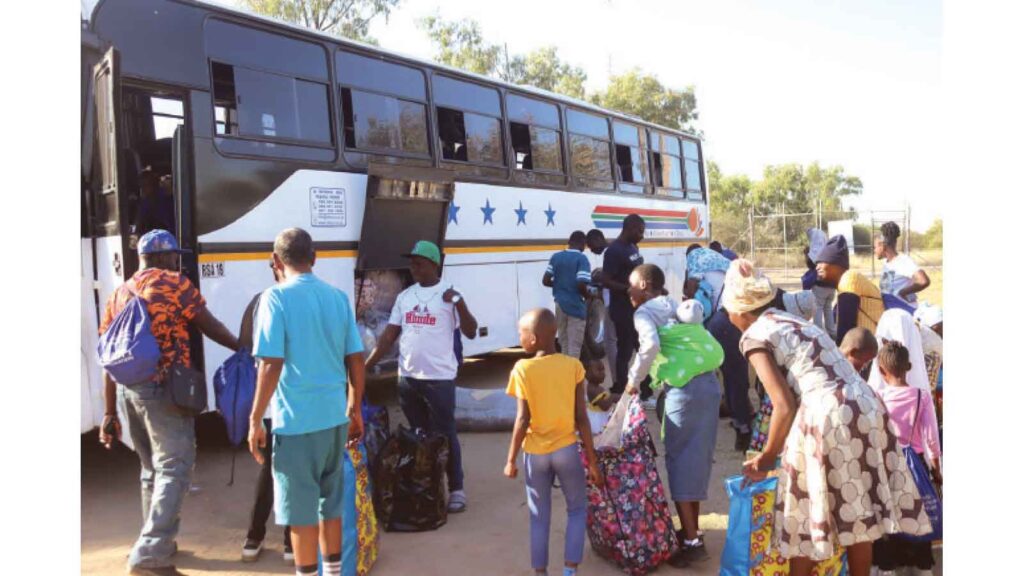
Records of Zimbabweans voluntarily leaving South Africa, through Stated assistance, are processed by the local Civil Protection Committee at the Reception and Support Centre in Beitbridge. — Picture: Thupeyo Muleya.
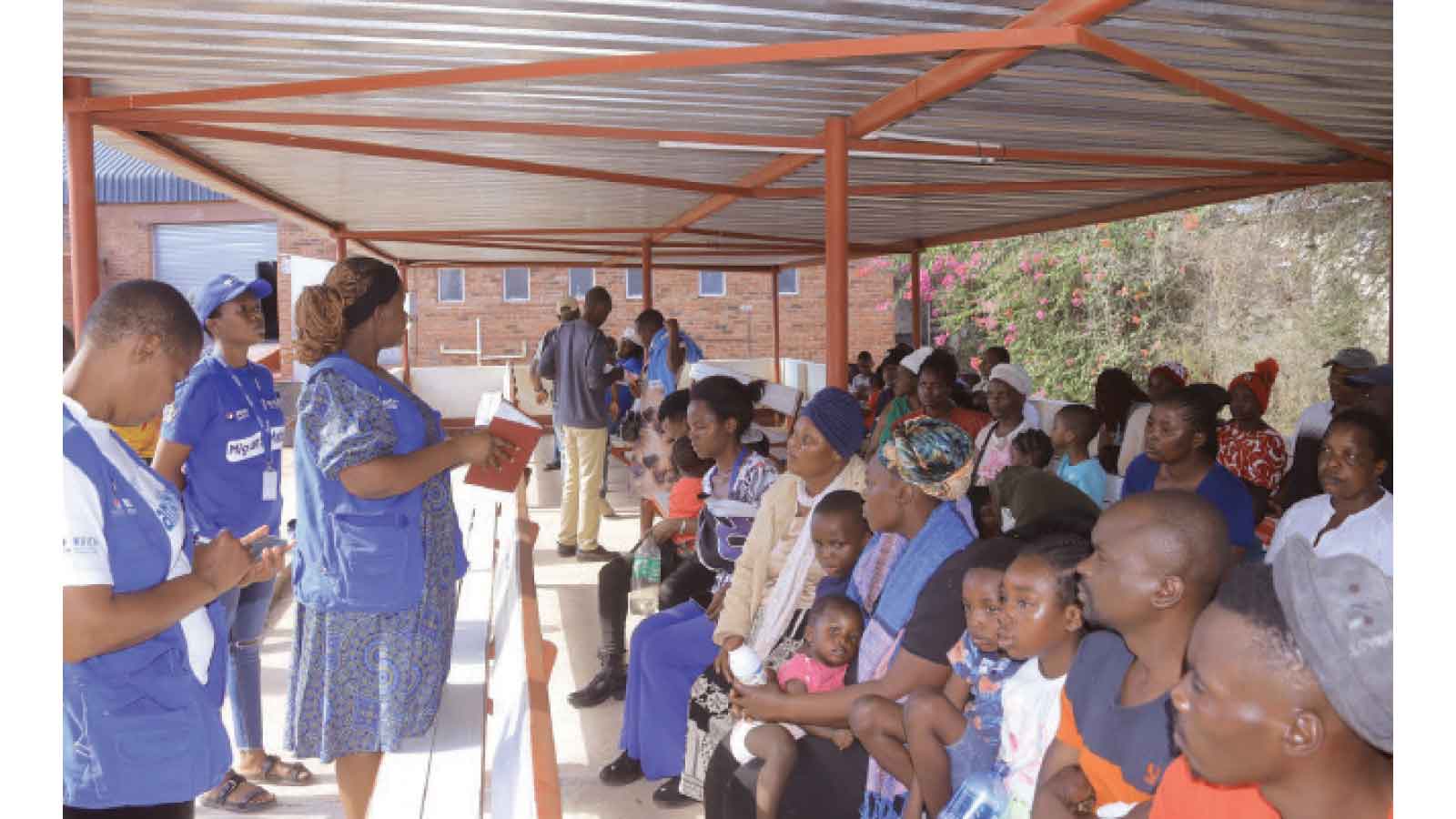
Most arrive through the Beitbridge Border Post, where a multi-agency team supports returnees. It also processes their records before they proceed to their final destinations.
The Reception and Support Centre, managed by the Government, can accommodate up to 1 000 adults and children and process their records daily.
District development coordinator and civil protection committee chairperson Ms Sikhangezile Mafu confirmed that all support structures have been activated.
“We have met with all State actors and agreed on the need to ensure a seamless process. We are using the whole-of-Government approach so the process becomes seamless,” said Ms Mafu.
“All sub-committees have been activated for health, transport, resource mobilisation and social protection.”
Upon arrival, returnees undergo registration, medical screening and receive food, water, counselling and psychosocial support.
“Everyone arriving is assessed and provided with social support to help them reintegrate with their families,” Ms Mafu explained.
“We have handled more human traffic before, and we will continue using the same strategies. We are ready to absorb any amount of pressure and make the processes seamless.”
The Government is working with development partners, including the International Organisation for Migration (IOM), UNICEF and the Zimbabwe Red Cross Society, to provide food assistance, transport and protection services.
IOM Zimbabwe spokesperson Fadzai Nyamande-Pangeti said support had been expanded to help returnees travel to destinations across the country.
“We are working closely with national authorities and partners to monitor the situation and adapt assistance. We now include meal assistance and onward transport to Harare, Gweru and Mutare. This complements support at the border and is part of a coordinated response led by the Government, with IOM strengthening systems and supporting access to protection services.”
While South African authorities have activated the National Joint Operational and Intelligence Structure to address the violence, many Zimbabweans continue to opt for voluntary repatriation.
South Africa’s Home Affairs director-general Dr Tommy Makhode has dismissed social media claims that migrants face a June 30 deadline to leave the country, yet for those who have experienced the violence firsthand, such assurances offer little comfort.
For Mudzviti, the debate over immigration policy feels distant.
Her immediate concern is rebuilding a life that disappeared in a matter of minutes.
She arrived home carrying little more than her children, a few belongings and memories of a life left behind.
Yet, despite the trauma, she finds solace in survival.
For now, that is enough — a sentiment that speaks to the resilience of those who have been uprooted, hoping to rebuild yet again.