admin
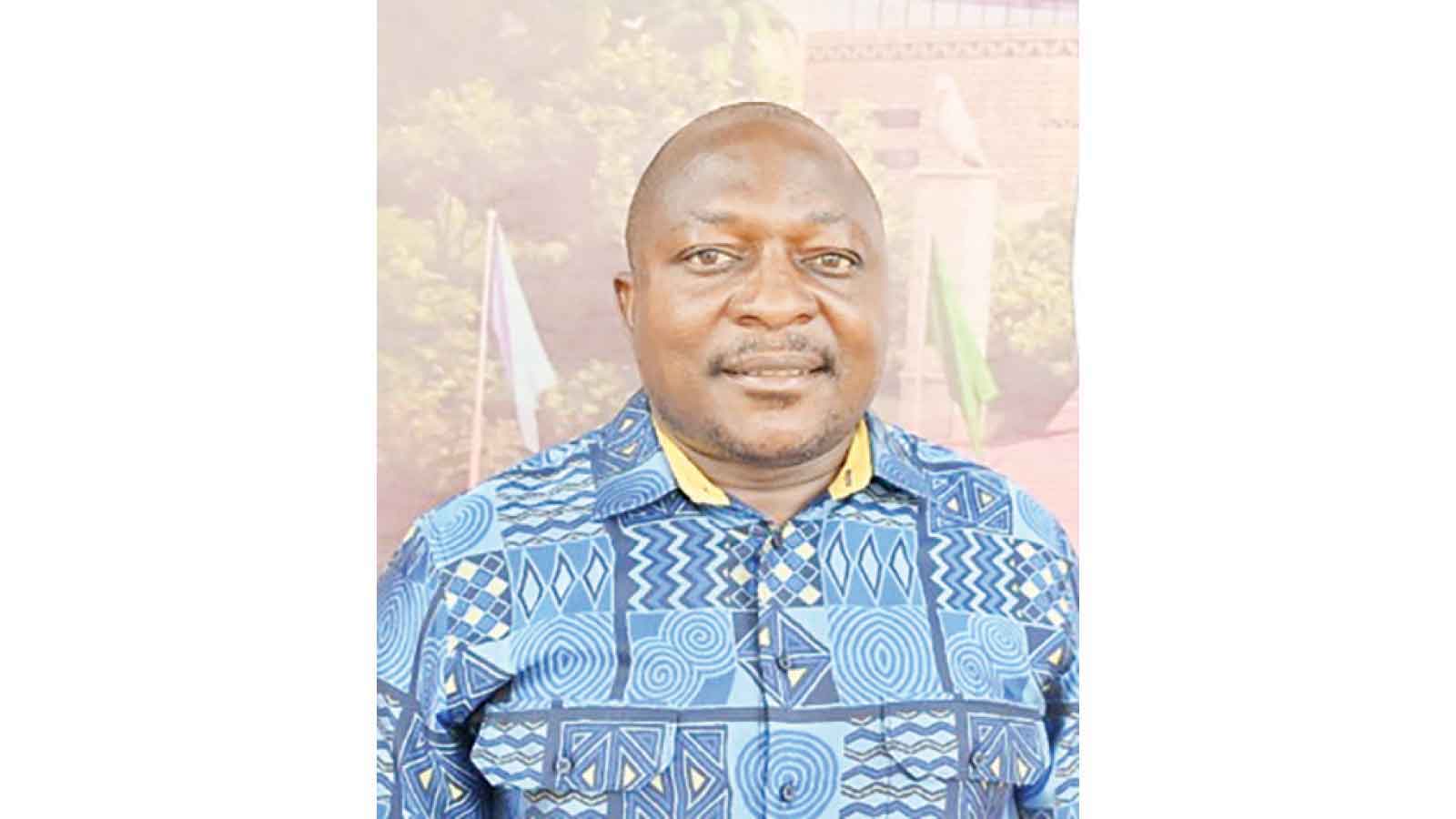
adminProf Simbi V Mubako
The Museum of African Liberation is one of the most ambitious projects by the emerging pan-African think tank — Institute of African Knowledge (INSTAK).
Other great projects by INSTAK are The Africa Factbook, compiled on behalf of the Africa Union (AU) Commission, and the sister publication, Book of African Records.
The principal objective of the institute is to research, gather and disseminate knowledge about Africa and African peoples.
In Africa’s contemporary history, no subject has had a greater impact on the lives and well-being of Africans than European colonialism of the 19th century and the process of African self-emancipation in the 20th century.
Hence it is most befitting that we seek to understand the process that brought about the status of freedom we now enjoy as a people and self-determining nations.
A Museum of African Liberation is a most appropriate project for a pan-Africanist body like INSTAK to embark on.
When Government was informed of some of the above programmes, there was immediate encouragement and practical assistance, culminating in the signing of a Memorandum of Understanding (MoU).
President Emmerson Mnangagwa was personally most encouraging about the work of INSTAK, especially the idea of establishing the Museum of African Liberation in Zimbabwe.
To that end, under the MoU, the Government of Zimbabwe has constituted an inter-ministerial committee of eight ministries, including the Ministry of Higher and Tertiary Education, Home Affairs and Cultural Heritage, Defence and War Veterans, in order to support the work of INSTAK.
Establishing the Museum of African Liberation is a priority project.
The museum will be based in Zimbabwe but will house material from all African countries which took up arms to liberate themselves, but, of course, without excluding those countries that may not have taken up arms but were all the same instrumental in the liberation period.
The museum is conceived as a monument of the epic struggle to liberate the African people from European colonialism and apartheid.
The second half of the 20th century was the era of emancipation and liberation for all African members of the African Union, except for Ethiopia and Liberia.
Egypt became independent in 1936. Starting with Sudan in 1956 and Ghana in 1957, the majority of African states attained their independence before 1970 largely by peaceful protest and negotiations.
However, a hard core of colonies and apartheid South Africa would not concede African majority rule without a fight.
These were Angola, Mozambique, Guinea Bissau, Sao Tome and Principe — which were part of the Portuguese Empire — the British colony of Rhodesia, the South African mandated territory of Namibia and South Africa itself.
Similarly, in Kenya (1953) and Algeria (1960-1963) fierce armed resistance had been waged before these countries won their independence in the 1960’s.
Imperialism had designated all these African territories as outposts of intensive settlement of surplus European populations.
The African Liberation Museum will be owned by all those countries which fought to win their freedom, be it through military or diplomatic means, or even a mixture of both.
A vital portion of their history will be recorded and deposited in the museum.
The museum would enable Africans and the rest of the world to learn about the history and struggle for freedom and human dignity by each and all of these African countries under one roof.
Each of the countries would provide the historical material, the organisations, the weapons, the battles, losses and victories which were experienced during the struggle.
It is one of the most effective ways of teaching African history and African achievements; told by Africans themselves.
Africa must no longer wait for people from overseas to come and interpret its history.
Africans have demonstrated that they are capable of liberating themselves.
Africans must be the ones to tell the world how they did it and how it feels to be victorious and free.
It is envisaged that for each country there would be a section of the museum devoted to it.
The Zimbabwean section would mainly show the exploits and vicissitudes of the two wings of the Patriotic Front, Zanu and Zapu. We would find the stories of the massacres — Nyadzonya, Chimoio, Mukushi, Westland et cetera.
We would also learn about the Chinhoyi battle, Hwange, the downing of the Rhodesian Viscount jets, the blowing up of the Harare fuel tanks, the Mavonde battle and other encounters with the enemy.
In like manner, the museum will house the stories of other countries’ sacrifices and histories.
Inevitably, the museum will feature the histories of Frelimo (Mozambique), Swapo (Namibia), MPLA (Angola) and other gallant liberation parties, their sacrifices and their victories.
It will feature massacres at Wiriamu, Maseru, Cassinga, as well as victories such as the epic battle of Cuito Cunavale and Gorongoza.
In all cases, some of imperialism’s superior weapons, including freedom fighters’ simple weapons carried by sheer determination to attain freedom, will be displayed.
The museum will enable researchers to appreciate the seamlessness of the African struggle for freedom and the indomitable spirit for liberty even against the most powerful oppressor.
The story of African liberation cannot be told without highlighting the importance of national unity and pan-African solidarity.
The Museum of African Liberation is designed to immortalise a vital part of the African heritage.
The need for a liberation museum is something which all Africans readily accept.
At the same time, some may find the task of erecting and equipping the planned monument daunting.
They might fear that much effort and a lot of resources which are required may not be available.
While such concerns are real, the Institute of African Knowledge is convinced that the challenges are not insurmountable.
In fact, the initial steps taken so far to sound and sensitise stakeholders, governments and institutions have led us to believe that there is a great deal of interest in the project and that resources can be found.
The expertise is also available.
The support of the Government of Zimbabwe, the host country, is the most crucial first step.
Now that the Memorandum of Understanding (MoU) between Government and INSTAK has been signed, the next concrete step towards the realisation of the project is the identification of a suitable site.
This will be done with the assistance of the inter-ministerial committee which is created in the MoU, in particular the Ministry of Local Government, Public Works and National Housing.
When that is done, the Department of Cultural Heritage and Monuments will be called upon to render assistance in seeking the architectural design for the museum.
Designers will be invited from all participating countries.
The research and collection of material from designated countries can begin in earnest immediately.
No one should underestimate the enormity of the task which is involved.
But the importance and the need for such an institution is paramount and lead us to believe that the job can be done and must be done.
Naturally, the success of such a mammoth project will depend on the extent to which resources can be mobilised. Where there is a will, there is always a way.
When the Cathedral of Notre Dame in Paris was burnt down recently, the people of France expressed their will to rebuild it, and within one week, over US$1 billion was raised.
African people had the will to liberate the continent from militarily superior European powers.
They found the way to mobilise diplomatic and material support to wage and win the liberation war.
We are convinced that the will exists, and we are confident that the way will be found to display and preserve for posterity the history of the struggle in a befitting liberation monument.
Prof Simbi V Mubako is the chairperson of the Institute of African Knowledge. He participated at the Lancaster House Conference as chief legal advisor to Zanu.


 Online Reporter