Online Reporter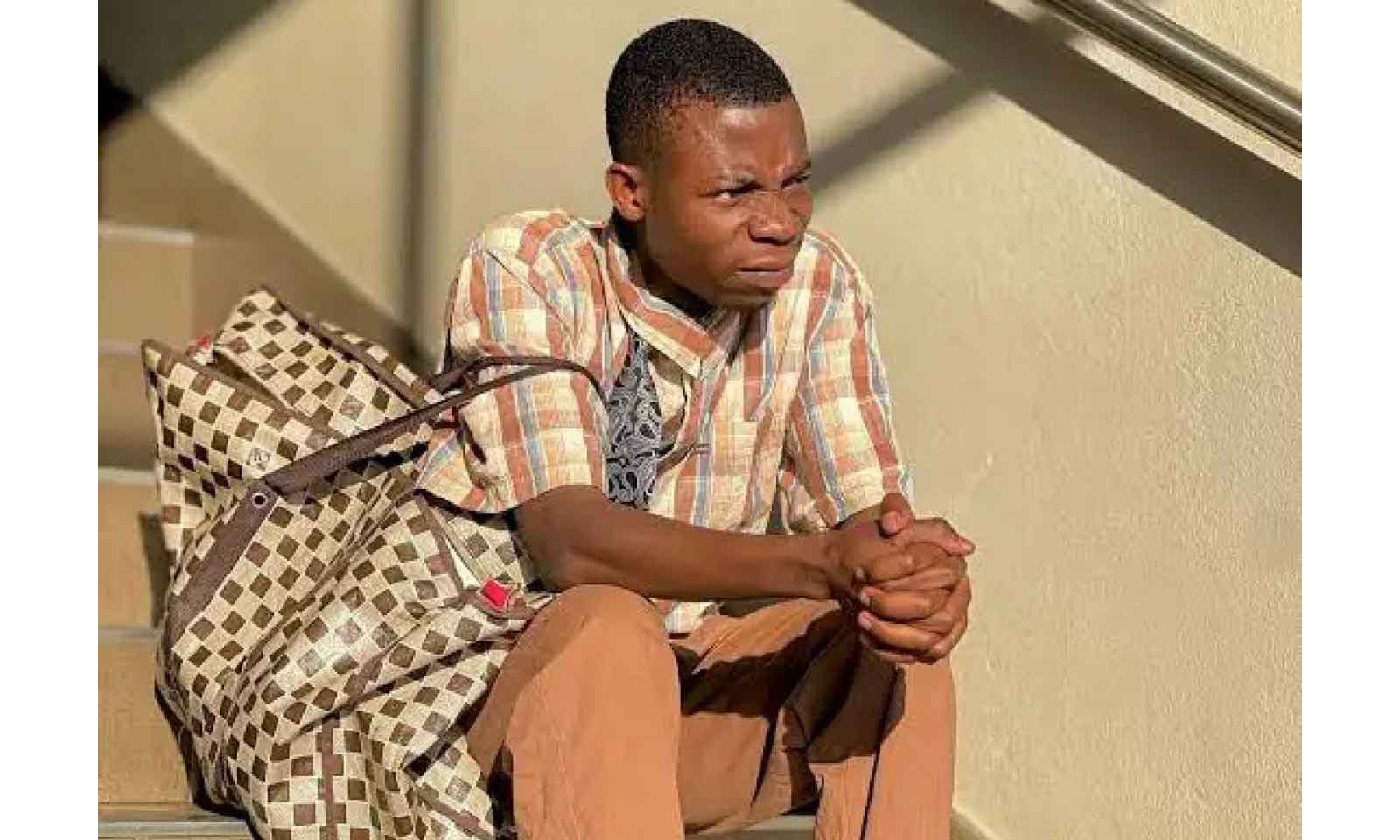
Trust Khosa
Zimpapers Arts and Entertainment Hub
A CONFIDENT Comic Elder sat calmly in the front row at the 24th National Arts Merit Awards (NAMAs), which were held last weekend at the Harare International Conference Centre (HICC).
As the ceremony began, the 24-year-old Murewa-bred comedian was a picture of both poise and anticipation.
Many expected this would be his night to shine.
He was nominated in two categories — the People’s Choice Award and Outstanding Social Media Skits.
For Comic Elder, this was a slam dunk.
The audience seemed to cheer every time his name was mentioned by the evening’s presenters, Phathisani Sibanda and Kudzai “KVG” Gwara.
The night, however, took a different turn.
After missing out on the Outstanding Social Media Skits award, many believed Comic Elder’s consolation would be the People’s Choice Award.
But this was not to be.
Despite boasting 1,2 million followers on Facebook, his support did not translate into votes.
He managed only 7 089, finishing fourth out of five nominees.
Winky D emerged as the overall winner with 45 218 votes, followed by Ritz McLeish with 39 812.
Jah Prayzah secured third place with 10 395 votes, while Prince Chigwida, backed by the Zimbabwe Christian Church under Bishop Nehemiah Mutendi, trailed with 4 818 votes.
The announcement left Comic Elder shell-shocked.
He had lost the first award to Tokoloshi (Sean Khoza).
Securing an interview from him proved difficult.
When he finally opened up, he was only giving terse answers.
“I cannot comment or say anything about the subject (24th NAMAs) at the moment,” he told The Sunday Mail Entertainment.
When asked about his thoughts on Tokoloshi winning the coveted prize, he said: “He deserves it!”
“We keep working hard.”
It is, however, not too late for him to make a comeback.
Most importantly, the awards highlight a bitter truth.
What some may call art is often dismissed as lacking depth.
Comic Elder’s skits have often been criticised by some for poor script interpretation and lacking substance.
While his content may elicit laughter, many serious creators question its impact.
NAMA adjudicators continue to reiterate that their assessments include creativity, depth and the overall impact of a production.
In this regard, Tokoloshi stood out.
His skits are praised for their unique artistry, tackling real issues such as corruption and fornication with humour, while weaving in biblical references — a blend of entertainment and meaningful commentary.
Sungura loses its voice
Beyond comedy, music continues to dominate Zimbabwe’s creative landscape.
Although categories such as fashion and digital arts were added to the traditional line-up — theatre, dance, literature, spoken word, music, film and talent vision — music remains the heartbeat of the awards.
Like football in sports, it commands an unmatched following.
Yet the glaring absence of sungura at this year’s ceremony sparked debate.
There were no sungura performances during the show, nor were any artistes nominated, leaving many shocked.
Sungura still dominates airwaves on leading national radio stations, proving its enduring popularity.
Some argue that its exclusion signals a shift towards an elitist approach by organisers.
Award-winning sungura artiste Romeo Gasa voiced his frustration on Facebook.
“They do not like sungura; even their events have no sungura performances. They invite social media activists rather than real artistes, with no gospel or mbira. They are biased,” he wrote.
Embattled musician Gift “Case” Amuli added his perspective.
“Sungura is gradually dying a natural death. What might be the cause? Is it the lyrics, repeated chord progressions or harmonies? NAMA did not recognise sungura. Are we being encouraged to abandon traditional wire progressions for Afro-fusion beats?”
Others remain hopeful, insisting that sungura will never die.
Ignoring sungura, they argue, is not only regressive but a disservice to thousands of musicians who keep the tradition alive.
National Arts Council of Zimbabwe spokesperson and marketing manager Agga Nyabinde assured artistes that sungura remains part of the creative community.
“First, NAMA is not only about music but also other genres. We have not forgotten sungura. Event managers curate performances according to their themes, which is why urban grooves legends were included this year. Sungura will be considered in the future and artistes should not despair. We treat all disciplines equally.”
Meanwhile, in the Song of the Year category, many expected “Ruzhowa” to win.
Yet, despite its popularity at elite functions, adjudicators opted for Nutty O’s “Too Much” — a decision that underscored their emphasis on quality over hype.
As for Winky D, his record-breaking 10th People’s Choice Award win reaffirmed his unmatched connection with fans.
Looking ahead to the 25th NAMAs, expectations are high.
Fans hope for a more polished show that addresses the shortcomings of this year’s edition.
On a positive note, the lighting, sound and red-carpet presentation were exceptional.
As the NAMAs prepare to celebrate 25 years, stakeholders, adjudicators and organisers will be under pressure to deliver a show that rewards deserving creatives and restores confidence in Zimbabwe’s premier arts awards.