Online Reporter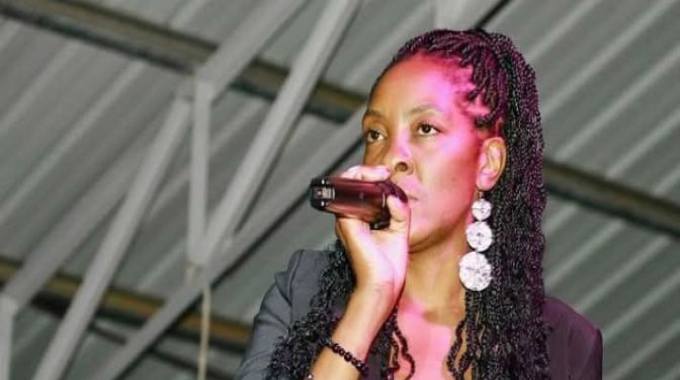
Bruce Ndlovu, Sunday Life Reporter
THE video of what some alleged was a highly intoxicated Tererai Mugwadi on stage at the recently held Shoko Festival, triggered different reactions from various groups on social media.
For fans of urban grooves, who watched the genre grow from a bedroom experiment to a cultural force that defined an era, the video could only be greeted with a fair degree of mourning.
No doubt, the children of urban grooves, scattered across the world, would have wept silently as they came to terms that perhaps indeed, it was all over.
With every laboured note that failed to connect with a stunned audience, Tererai seemed to mirror the fortunes of the genre itself.
Here was a one-time great who still had a healthy backing from a loyal legion of fans, but who seemed to be struggling in the present and was very much living off past glory.
Those who are kind and sympathetic to the legendary urban grooves star would call it a troubling, if not disappointing, performance. The unkind would probably say it was a display from a washed-up artiste. Tererai, as she has in the past, has vehemently denied accusations of intoxication. She is not a drug addict, she told this publication and thus did not need any rehabilitation. This was the work of “haters,” she insisted and she was still determined to forge ahead with the help of close family and friends who love her. Despite her protestations, on social media, her performance became a rallying call for the country to intensify its fight against drug and substance abuse.
As the country continues its fight against this threat, artistes have not been spared from the ravages of the scourge.
Only two months ago, rapper Holy Ten checked into a rehab centre as he sought to exorcise demons that had been plaguing him for the last few years.
Erratic and riotous behaviour had become synonymous with one of Zimbabwean entertainment’s few true showmen, who, before he packed his bags for rehab, seemed to be losing his grip on both decency and reality.
Earlier, another maverick, Saintfloew, also made a headline-grabbing splash after he decided to seek help for his longstanding problems at a rehabilitation facility in South Africa.
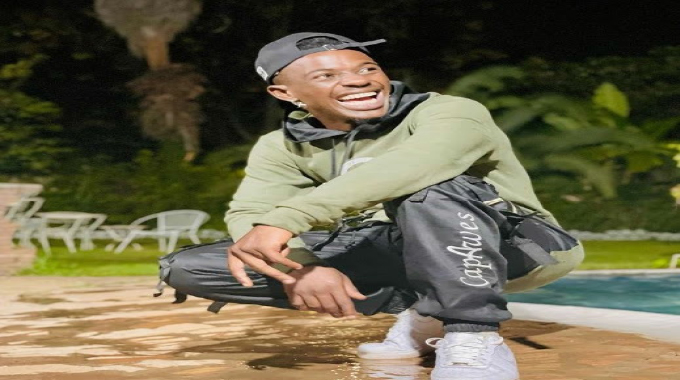
At numerous times, the late chanter Soul Jah Luv also repeatedly sought help, including divine intervention, as he tried to fight off his well-documented troubles. Showbiz, at home and abroad, seems to have its fair share of drug and substance abuse victims. Rapper ASAPH, who in the past has confessed to struggling with substance abuse, told Sunday Life that artistes in Zimbabwe were particularly vulnerable to addiction.
As people who usually performed in the dead of night in front of intoxicated audiences, artistes usually found themselves indulging in the same substances consumed by their fans.
Alcohol and drugs, he said, were usually not far from reach for top performers.
“I have been in the industry for a while and I have seen people, even myself, have challenges with issues relating to substance abuse,” he said.
“Yes, there is a feeling that sometimes this is just a part of the industry because we are performing mostly for intoxicated people; then it is expected that we also indulge as well. It is a part of the culture and the thought is that your creativity and confidence get a boost from it.”
While some thought that life in showbiz was all glitz and glamour, ASAPH said that artistes at the top usually faced a lot of pressure, including the desire to shrug off any stage fright when they step on stage.
“On the other hand, people start partaking in this just because of anxiety,” he explained.
“There is pressure to make it, pressure to keep up appearances or just the pressure to ignore the naysayers and the doubters.
All of that is in the mix when it comes to artistes.”
While drug awareness campaigns were now prevalent in the country, ASAPH said such outreach might not be effective for artistes, who needed a certain level of privacy that the ordinary man might not necessarily require.
“There are campaigns geared toward combating this scourge in the bud, but when it comes to artistes, I feel that some level of privacy, just to protect an artiste’s dignity, is required,” he said.
“An artiste needs to feel like he is comfortable going somewhere and getting help. In this day and age, things get sensationalised and you start to hear that so-and-so is in rehab. It starts chipping away at the dignity of a person.
“Someone who is going through that needs some protection so that they can work on themselves. Once victory is attained, they can come out and advocate for the process and tell people how they did it. I think sometimes we end up putting a magnifying glass on the start of the process.”
Fellow musician Mzoe 7 said that artistes are often overlooked, as most campaigns were not targeted at their specific and unique needs.
“I do not think the issue is being addressed in the industry,” he noted.
“We did a series called ‘Majida Let’s Talk.’ We reached out to everyone, including artistes, but we can only do so much. Those things need resources because it is difficult to move from place to place without financial backup. When you are doing things from your own pocket, it gets a little difficult.”
Mzoe said while there was a tendency to adopt a holier-than-thou attitude towards artistes who became addicted to drugs or alcohol, there needed to be more understanding of the reasons why they used these substances as a crutch to cope with their problems.
“With substance abuse, I do not think we can focus on one group exclusively,” he said.
“You cannot say, ‘We are now going to look at artistes.’ This is something that has to be addressed for everyone. If we look at musicians exclusively, we will have a big problem because you will have to ask, what about the dancers? What about the people in film? What about the people who look up to the musicians themselves?”
“We need to address those issues that lead people into substance abuse. We need to reach out and talk about relationships, about money and other things that are leading artistes down that path. That is how we beat this thing,” he argued.
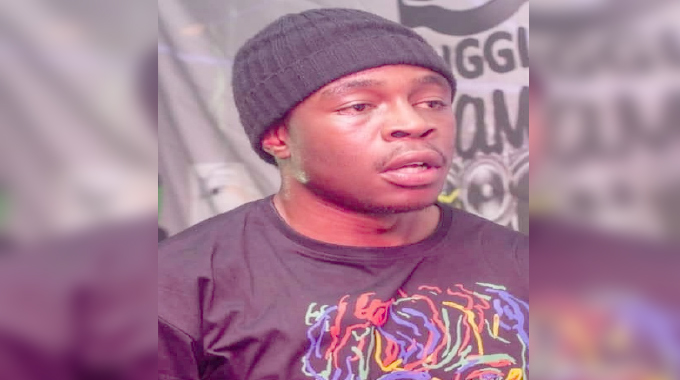
Veteran musician Jeys Marabini said that young artistes today faced unique challenges that yesteryear’s greats never had to confront, and thus, strategies needed to be tailored for their specific needs.
“Every generation has its struggle and probably drugs and substance abuse are the main threats to this generation,” he said.
“They are not insulated from the problem that is affecting the rest of the country. In the 1990s, the challenge was probably HIV/AIDS and there was a concerted campaign to raise awareness, especially among artistes who are always on the road. This saved a lot of lives. I think we need something similar again because the drug problem is getting worse, particularly in the music industry.”