


 malvernmugadzikwa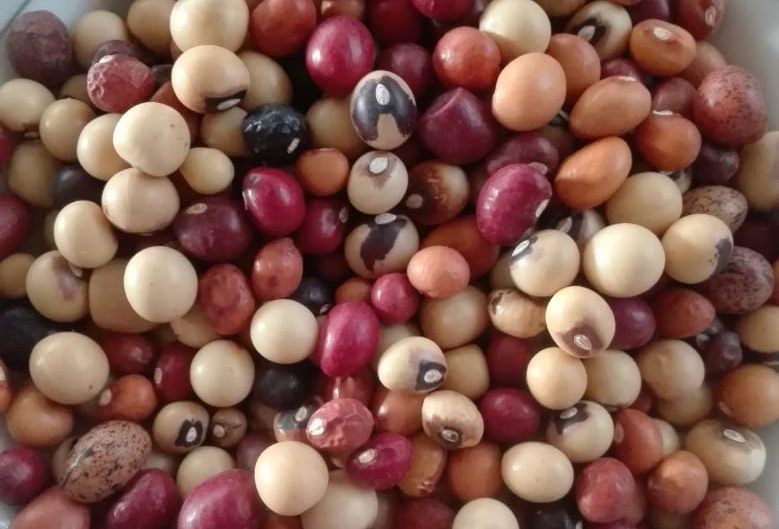
Word From The Market
Tina Nleya
WHEN I first went on a “Daniel fast”, a partial fast that includes mainly plant-based meals, I wondered how I would survive without meat. This led me to explore plant-based protein alternatives and realised a substantial market gap in this area.
Today, the global embrace of sustainable, health-focused diets has created a surge in plant-based eating. This trend, encompassing vegan, flexitarian and vegetarian diets, presents a promising niche for Zimbabwean farmers.
Increasingly, consumers are choosing plant-based proteins for health and religious reasons, creating an opportunity for local farmers to meet this demand. By cultivating climate-suitable crops and exploring value-added products, farmers can expand their market reach and improve profitability.
Understanding the market opportunity
The benefits of plant-based diets such as reduced risk of chronic illnesses, environmental sustainability and alignment with ethical beliefs are driving global adoption of these diets.
For Zimbabwean farmers, there is an opportunity to provide plant-based protein sources that meet these demands. These range from raw crops to processed products like plant-based burger patties, sausages, soya milk and almond milk.
The ability to develop these value-added products can help farmers access higher-profit segments of the market, which is particularly attractive given the rising awareness of health and environmental concerns.
Plant-based protein crops suited for Zimbabwe Soyabean
Climate needs: Soya bean grows well in warm, temperate regions with good rainfall, making them suitable for areas with moderate water availability. They thrive in fertile, well-drained soils and need a growing season with temperatures of between 20°C to 30°C.
Potential products: Soyabean can be used to produce tofu, tempeh, soya milk and meat alternatives. Soyabean protein is popular in vegan foods like burger patties and sausages.
Given Zimbabwe’s climate, farmers can benefit from cultivating soya beans, which can be processed locally to create high-value products, increasing income while reducing reliance on imports.
Cowpeas
Climate needs: Cowpeas are drought-tolerant and thrive in arid and semi-arid regions, making them ideal for areas with inconsistent rainfall. They perform well in loamy or sandy soils and require minimal water, which helps reduce irrigation costs.
Potential products: Cowpeas, a staple in African diets, are versatile and can be marketed as a high-protein option for soups, stews and salads. Additionally, cowpeas can be processed into flour for plant-based baked goods, appealing to gluten-free and vegan consumers.
Bambara nuts
Climate needs: Known for their resilience to drought, bambara nuts grow in poor soils and can cope with high temperatures. They are well-suited for low-input farming and thrive with minimal fertiliser.
Potential products: Bambara nuts are rich in protein, making them suitable for use in protein bars, flour and even snacks.
This crop’s high nutritional value has led to increased demand in the health food sector, presenting Zimbabwean farmers with an opportunity to cater for premium markets that value indigenous crops.
Mung beans
Climate needs: Mung beans prefer hot climates and well-drained soils. Additionally, they have moderate water requirements.
This crop does well in low-fertility soils, making it easy to cultivate with minimal inputs.
Potential products: Mung beans can be used in soups and salads or processed into sprouts for the health-conscious market.
They are high in protein, rich in fibre and low in calories, fitting into the diet of consumers focusing on weight management and heart health.
Sorghum
Climate needs: Sorghum is highly drought-resistant, making it a staple crop in dry regions. It requires minimal water and can be cultivated in semi-arid areas with low soil fertility.
Potential products: Sorghum can be milled into flour and used in gluten-free products or made into porridge, appealing to those with dietary restrictions.
Sorghum-based foods are ideal for plant-based diets and can be marketed for their rich nutrient profile.
Embracing a plant-based future in Zimbabwe
The global plant-based movement presents a unique chance for Zimbabwean farmers to diversify crops, reduce environmental impact and benefit from profitable niche markets.
By growing drought-resistant, high-protein crops like soya beans, cowpeas, bambara nuts, mung beans and sorghum, Zimbabwean farmers can align with consumer preferences and access both domestic and international markets.
This shift not only enhances food security, but also promotes sustainable agriculture, helping farmers improve their resilience to climate change while contributing to Zimbabwe’s economic development.
As the country’s agriculture sector evolves, the integration of plant-based protein crops offers a promising path to economic growth and environmental stewardship.
Through innovation and strategic partnerships, farmers can embrace this opportunity and become key players in the plant-based protein value chain.
Tina Nleya is the Agricultural Marketing Authority (AMA)’s marketing and public relations manager. She can be contacted on email: [email protected]. Word From The Market is a column produced by AMA to promote market-driven production.



 Online Reporter