Online Reporter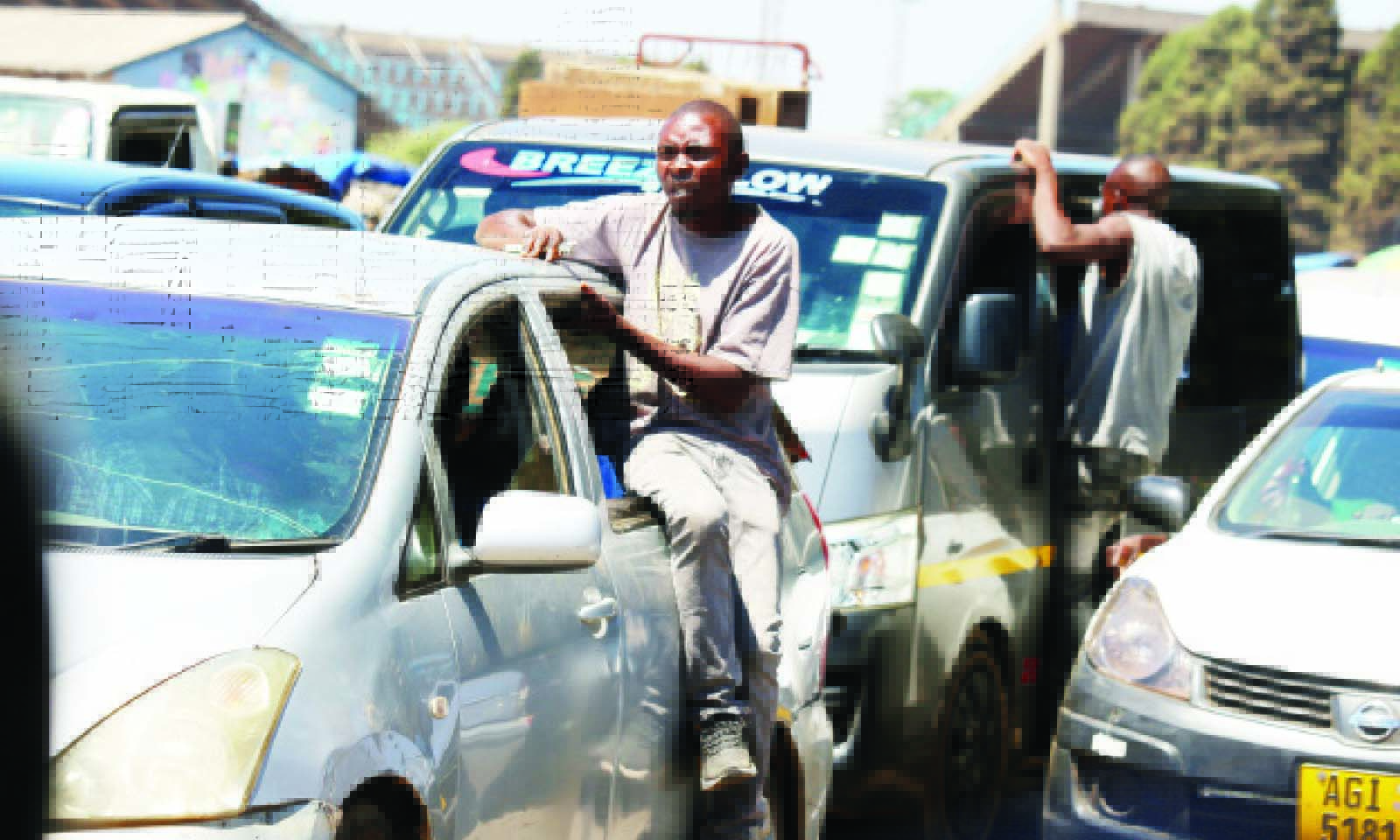
Nick Mangwana
Government Up Close
AS individuals, we often ponder the state of our nation and wonder what the future holds. We question the factors that contribute to the kind of society we live in and the role we play in shaping it. The truth is, individual behaviour is a crucial determinant of the nation’s character. Every action, decision, and attitude counts, and collectively, they shape the fabric of our society.
As we strive to become an upper-middle-income society by 2030, it’s essential to recognise that certain standards of behaviour come with this aspiration. Developed nations exhibit a high level of personal orderliness, particularly on the roads. Drivers adhere to traffic rules, respecting the safety and convenience of others.
In most developed countries, it’s unthinkable to engage in reckless behaviour like driving against traffic flow on one-way streets. Yet, in our society, such actions seem to be alarmingly common. Similarly, driving on demarcated islands on dual carriageways when roads are congested is not only hazardous but also indicative of a lack of regard for others.
It’s equally unacceptable to stop in the middle of a busy road to drop off or pick up passengers, causing inconvenience and potential accidents. These behaviours reflect a pre-developed mindset that is inconsistent with the standards expected of an upper-middle-income society.
To align with our aspirations, we need to adopt a more disciplined and respectful approach to road usage. By doing so, we can create a safer and more efficient transportation system that supports our economic and social development goals.
The idea that individual changes in behaviour can produce cumulative societal changes is rooted in the concept of social norms and collective behaviour. When individuals adopt positive behaviours, it can create a ripple effect that influences those around them.
In the context of road behaviour, individuals who stop at red traffic lights, even when there’s no traffic flowing from the other side, demonstrate a crucial aspect of civic responsibility. Rather than viewing them as outliers, we should recognise their behaviour as exemplary and desirable.
By conforming to traffic rules, these individuals contribute to a safer and more orderly society. As more people adopt this behaviour, it becomes the norm, shaping the collective attitude towards road safety and civic duty.
In contrast, when reckless behaviour becomes normalised, it can have far-reaching consequences. Allowing individuals to disregard traffic rules without consequence can erode the social fabric and undermine efforts to create a more responsible and respectful society.
By promoting and rewarding positive behaviours, we can create a cultural shift that values civic responsibility and respect for others. This, in turn, can lead to cumulative societal changes that benefit everyone.
In this context, it’s essential to recognise that stopping at red traffic lights is not just a matter of individual preference but a fundamental aspect of being a responsible member of society. By embracing this behaviour, we can build a more harmonious and safe community for all.
The ripple effect of individual actions is profound. When individuals exhibit positive behaviours such as kindness, empathy, and respect for others, it creates a ripple effect that spreads throughout the community. These actions foster a sense of trust, cooperation, and social cohesion, which are essential for building a strong and harmonious nation. Conversely, negative behaviours like littering, vandalism, or disregard for public spaces can have far-reaching consequences, contributing to a culture of disrespect and neglect.
Vandalism of public property, particularly electricity infrastructure, is a reprehensible act that showcases the darkest side of individualism. Stealing copper wires from electricity cables or vandalizing transformers to sell scrap metal or oil is not just a minor infraction; it’s a malicious act that cripples the backbone of modern life. When one person engages in such selfish behaviour, the consequences are far-reaching and devastating. Households are plunged into darkness, businesses grind to a halt, and industries shut down, resulting in job losses and economic instability. The rot of food in fridges is just the tip of the iceberg; the real damage lies in the long-term impact on the economy and society as a whole
The selfish actions of these vandals are retrogressive, hindering progress and development. In Zimbabwe infrastructure vandalism and theft have become an epidemic, with utility companies like Zimbabwe Electricity Supply Authority (ZESA) suffering significant losses. They are constantly having to replace transformers and cables which cost has to be borne by individuals and business consumers. These acts of vandalism are not just crimes against property; they’re crimes against humanity, depriving people of basic necessities and stifling economic growth. Imagine if these criminals for once stop thinking about themselves and consider society and the nation. This is what this piece is about.
The foundation of this collective shift towards a more responsible society lies in individual integrity. Integrity is the trait of doing the right thing when nobody is watching or when you believe nobody is watching. It’s about being guided by a personal sense of morality and ethics, rather than external pressures or expectations. When individuals possess integrity, they’re more likely to stop at red traffic lights, even when no one is around, not because they’re being watched, but because it’s the right thing to do. This individual goodness is the bedrock upon which a harmonious and safe community is built. By cultivating integrity, we can create a society where people prioritise doing what’s right, even when no one’s looking, and this, in turn, fosters a culture of trust, respect, and responsibility.
Personal responsibility is a cornerstone of a well-functioning society. When individuals take ownership of their actions and their impact on the community, it fosters a sense of accountability and civic duty. This mindset encourages others to follow suit, creating a ripple effect that benefits the nation as a whole.
A striking example of lacking personal responsibility is littering. Individuals who thoughtlessly discard trash in public spaces demonstrate a disregard for the well-being of their community. As we strive to become more environmentally conscious, initiatives like waste sorting will become increasingly important. However, those who refuse to take responsibility for their actions will struggle to adapt to these new expectations.
For instance, someone who habitually litters is unlikely to bother separating their waste or disposing of it properly. This lack of personal responsibility not only reflects a disregard for the community’s cleanliness but also indicates a broader lack of consideration for the environment. In contrast, individuals who take pride in their community and acknowledge their role in maintaining its cleanliness are more likely to embrace initiatives like waste sorting and proper disposal.
The countries we often admire for their cleanliness and environmental stewardship typically have citizens who prioritise personal responsibility. It starts with individual actions: holding onto trash until you find a proper bin, recycling, and participating in community clean-up initiatives. By embracing personal responsibility, we can create a collective culture that values cleanliness, sustainability, and community pride.
By recognising the importance of personal responsibility and taking ownership of our actions, we can contribute to building a better society for everyone. This is particularly evident in our daily interactions with the environment. Whenever you see rubbish on the pavement or street, someone put it there, and that individual is not fit for purpose in an Upper Middle Income Society. One hopes they change, starting now.
This emphasis on personal responsibility lays the groundwork for broader civic engagement, which is also critical in shaping the nation. When individuals participate in community activities, volunteer, or engage in public discourse, it strengthens the social fabric and promotes collective progress. By exercising our rights and responsibilities as citizens, we contribute to the democratic process and help shape the direction of our nation.
Investing in education and skills development is essential for individual and national growth. When individuals prioritise learning and self-improvement, it enhances their ability to contribute positively to society. This, in turn, drives innovation, economic growth, and social progress, ultimately shaping the kind of nation we aspire to be.
The disparity between formal education and behavioural development is striking. Despite decades of education, many individuals struggle to exhibit behaviours conducive to interacting with contemporaries, let alone more advanced societies. One possible explanation lies in the nature of education itself, which often prioritises academic achievement over character development and civic responsibility. This can result in individuals who are knowledgeable in their fields but lack essential life skills and social responsibility.
The example of Rwanda is intriguing, where citizens exhibit responsible behaviour regarding litter and road conduct. This suggests a cultural shift towards valuing civic responsibility and community pride, potentially attributed to effective governance, cultural values, and social norms. Rwanda’s government has implemented policies promoting cleanliness and civic responsibility, and the culture places a strong emphasis on community and social cohesion.
In contrast, our education system may not effectively translate knowledge into behavioural change. Possible reasons include a lack of emphasis on character development, insufficient practical application, and cultural and societal influences that don’t prioritize civic responsibility. To bridge this gap, our education system could focus on integrating character development and civic responsibility, emphasizing social responsibility, empathy, and community engagement.
By providing opportunities for practical application and experiential learning, we can help students apply theoretical knowledge in real-world contexts. Fostering a culture of responsibility within our education system can also encourage students to take ownership of their actions and their impact on the community. By reorienting our education system to prioritise behavioural development and civic responsibility, we may cultivate a more responsible and socially conscious citizenry.
The disparity between formal education and behavioural development is striking, with many individuals struggling to exhibit responsible behaviours despite decades of education. However, initiatives like Zimbabwe’s Education 5.0 offer a glimmer of hope, focusing on producing well-rounded and socially conscious individuals through learner-centric approaches and value-based learning cultures. This framework’s emphasis on holistic development, mentorship, and transformative learning can help bridge the gap between knowledge and behavioural change.
Yet, even with such promising initiatives, our collective behaviour regarding civic responsibility remains inconsistent. The Monthly Clean Up programmes launched by President Mnangagwa are a step in the right direction, but it’s time to take them more seriously. Rather than enthusiastically participating in clean-ups every first or last Friday of the month only to litter recklessly throughout the rest of the month, we need a fundamental shift in our behaviour. It’s hypocritical to claim we’re committed to cleanliness and community pride while continuing to pollute our environment with impunity. We must hold ourselves accountable for our actions and take ownership of our impact on the community. Anything less is mere lip service. Let’s walk the talk and make civic responsibility a core part of our daily lives, not just a monthly ritual.
Cultural values play a vital role in shaping individual behaviour and the nation as a whole. When individuals respect and promote positive cultural values such as empathy, respect, and community, it contributes to a harmonious and inclusive society. One powerful example of this is the Ubuntu ideology, which emphasizes the interconnectedness of humanity and the importance of community. Ubuntu’s core values of empathy, compassion, and mutual respect can serve as a foundation for building a strong and resilient nation.
By embracing our cultural heritage and promoting values that benefit the greater good, we can foster a sense of shared identity and purpose. This, in turn, can lead to increased social cohesion, cooperation, and collective progress. When individuals prioritise the well-being of the community and recognise their role in contributing to it, we see a shift towards a more supportive and inclusive society.
Moreover, cultural values like Ubuntu can help us navigate the complexities of modern life and provide a moral compass for decision-making. By drawing on the wisdom of our cultural heritage, we can build a nation that is not only economically strong but also socially responsible and morally grounded. As we strive to become an upper-middle-income society, it’s essential that we prioritise the values that will truly define our progress: empathy, respect, and a commitment to the greater good.
The collective impact of individual behaviour is what ultimately shapes the nation. When individuals prioritize positive behaviours, personal responsibility, civic engagement, education, leadership, and cultural values, it creates a society that is strong, resilient, and progressive. By recognizing the power of individual behaviour and making conscious choices, we can collectively build a nation that reflects our values and aspirations.
As individuals, we have a responsibility to contribute positively to the nation. By making conscious choices and promoting positive behaviours, we can shape the kind of society we live in. Let’s prioritize personal responsibility, civic engagement, education, leadership, and cultural values. Let’s work together to build a nation that is strong, harmonious, and prosperous for all.
The individual behaviour plays a significant role in shaping the nation we aspire to be. By recognizing the power of our actions and making conscious choices, we can contribute to building a society that reflects our values and promotes the greater good. As individuals, we have the power to shape the nation; let’s use it wisely.
Nick Mangwana is the Permanent Secretary for Information, Publicity and Broadcasting Services