Online Reporter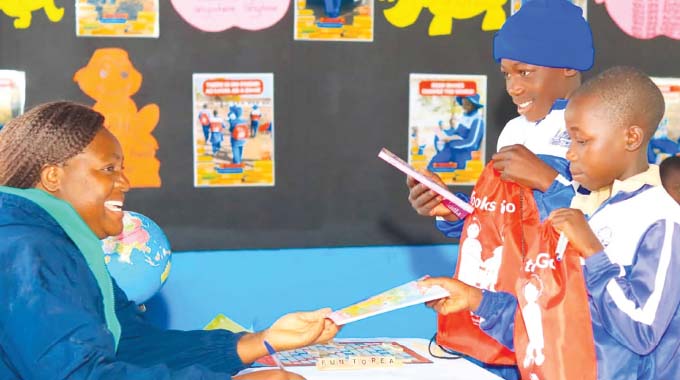
Sukulwenkosi Dube-Matutu, [email protected]
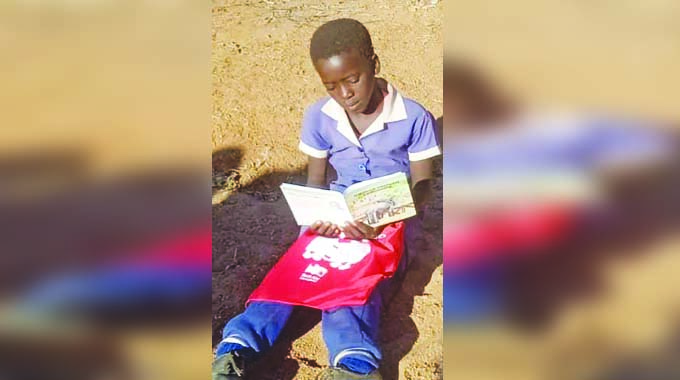
WHEN a Grade Six learner at Bethel Primary School, Diana Moyo, got her hands on her very first library book, her eagerness was palpable. She simply couldn’t wait to walk the four kilometres back home to read it. So keen was she that she paused along the way, unable to resist, and began reading. A teacher, catching up with her, was so moved by the sight that they captured the heart-warming moment.
Diana is just one of many learners who have significantly benefitted from a new library established at her school through the Books to Go Programme. This vital initiative has been rolled out at Bethel Primary, Selonga Primary, and Matshetsheni Primary Schools by the Edward Ndlovu Memorial Trust, working in partnership with Book Aid International.
Under the programme, each participating school received over 2 000 reading books, including resources in both English and local languages, along with secure storage cabins to set up functioning libraries. Teachers also received training in effective library management, empowering them to make the most of these new resources. Now, learners can readily access books at school or borrow them to take home, fostering a love of reading beyond the classroom.
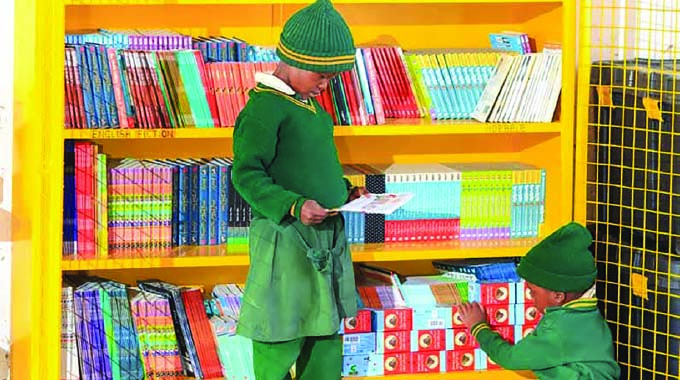
Rural schools in Zimbabwe continue to grapple with persistent challenges, notably shortages of teaching materials, a lack of functioning libraries, and inadequate literacy resources. The arrival of these libraries is directly addressing these critical gaps.
Mr Thabani Khumalo, a parent with a child at Bethel Primary School, expressed profound gratitude, explaining how the library’s establishment has noticeably improved reading skills among the learners.
“We are grateful for the books donated to the school and the library that was set up. These books have helped open our children’s minds and contributed to their intellectual development. When my child received his first book, he was thrilled and eager to discover what was inside. We’ve always worried that our children were falling behind due to limited resources, but the library has helped bridge that gap,” he stated.
He further said that while rural learners still lag behind their urban counterparts, such developments are actively helping to close this persistent divide.
Mrs Sheila Moyo, another parent, observed that access to these library books has opened learners’ eyes to a world far beyond their immediate surroundings. She highlighted how children are now learning about things they’d never encountered before due to past resource constraints, stressing that the books are not merely reading aids but invaluable learning tools. She also noted the positive ripple effect, with parents themselves benefiting from the books their children bring home.
Mr Michael Moyo, director of the Edward Ndlovu Memorial Trust, affirmed that the organisation’s core aim is to complement government efforts in developing the education sector. He pointed out that this intervention directly supports the broader national goal of ensuring inclusive and equitable quality education, aligning perfectly with Sustainable Development Goal 4.
“As ENMT, we are assisting in the development of the education sector by establishing libraries and supplying books to ensure their sustainability. These interventions breathe life into school environments and reintroduce reading as a joyful, daily activity for children. Working in partnership with Book Aid International, we launched the Books to Go Project in 2020 to address gaps in access to literature,” he explained.
He reiterated that the project has successfully supported Selonga, Matshetsheni, and Bethel primary schools by supplying over 2 000 reading materials to each. Additionally, staff have received comprehensive training in effective library management.
Mr Moyo elaborated that the Books to Go Programme has led to the establishment of well-stocked book resources and introduced scheduled library lessons to promote regular reading. It has also set up efficient book-lending systems, allowing learners to borrow books for home reading.
“The impact has been significant. Participating schools now report improved reading habits among learners, greater engagement in lessons, and increased teacher confidence in managing library resources. By encouraging literacy and a love of reading from an early age, the programme is not only bridging the education divide but also cultivating a generation of curious, confident, and empowered learners.”