
Ranga Mataire-Group Political Editor
Zimbabwe has always been an aspirational country. It has somehow always seemed certain of itself — a nation that knows what it is doing, stirringly free of the anything-can-happen existential uncertainty largely associated with developing nations.
The country’s diplomatic journey is replete with examples of a nation willing to punch above its weight. That confidence has often been reflected in its foreign policy. From independence, Zimbabwe pursued an active diplomatic agenda that consistently sought influence beyond its size, building a record of leadership in regional and international institutions that provides the context for its latest election to the United Nations Security Council as a non-permanent member for the period 2027 to 2028.
After a protracted liberation war, Zimbabwe attained independence in 1980 and then Prime Minister Robert Mugabe, defied the prevailing Marxist demagogue label by pronouncing a policy of national reconciliation.
The Prime Minister’s policy of national reconciliation confounded even adversaries who had been fed the idea of a “bloodthirsty” Marxist demagogue with an inclination for retribution against the former rulers.
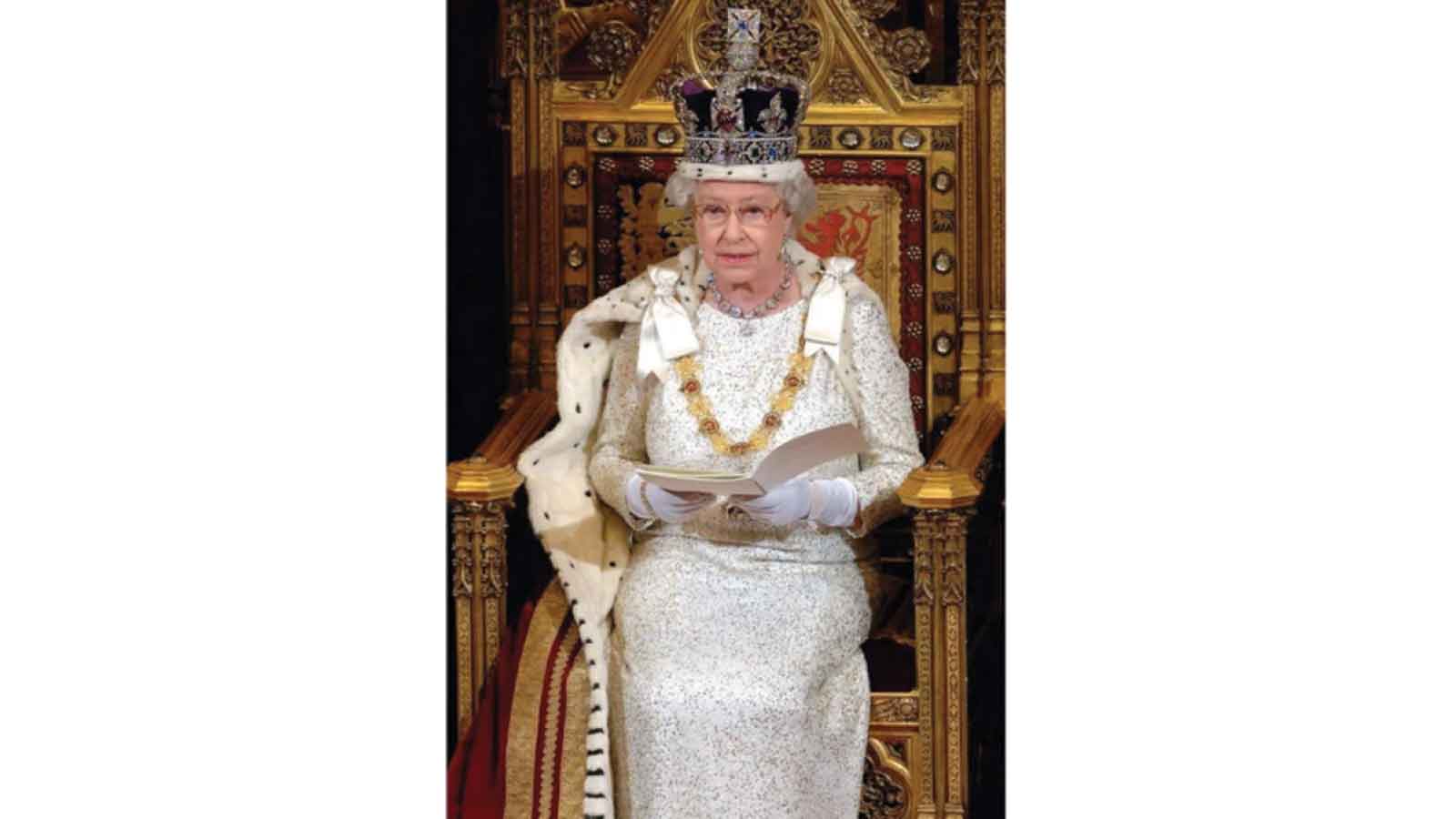
Many countries, including former coloniser Britain, warmed to the Prime Minister’s message and bestowed upon him an honorary Knight Grand Cross of the Order of the Bath (GCB) in 1994 by Queen Elizabeth II.
But even before his knighthood, Zimbabwe had steered itself onto the United Nations Security Council as a temporary member, serving in 1983-1984 and again in 1991-1992.
Zimbabwe proved its diplomatic capability early on, successfully securing non-permanent seats on the UN Security Council.
The country’s charm offensive was on display when it became a member and eventual chair of the Non-Aligned Movement (NAM). Its membership was informed by the need to avoid Cold War bloc politics. “Non-alignment” dovetailed with the country’s policy of being a friend to all and an enemy to none.
As chair, Zimbabwe used the NAM platform to support other anti-colonial and anti-apartheid struggles. Hosting the summit in Harare in 1986 gave Zimbabwe diplomatic prestige and an opportunity to showcase its independence.
Prime Minister Mugabe used his position as chair of the summit to exert international pressure on apartheid South Africa. NAM, under Zimbabwe’s chairmanship, called for sanctions, an end to Western “constructive engagement” and support for liberation movements.
The 1986 Harare Declaration was a key NAM document that demanded the dismantling of apartheid. Zimbabwe used its position to condemn “imperialism, neo-colonialism and foreign interference” in developing countries, while also calling for the lifting of sanctions on NAM countries such as Libya, Cuba and Nicaragua.
It was during Zimbabwe’s chairmanship that member states called for debt cancellation, fairer terms of trade and a New International Economic Order (NIEO). NAM argued that developing nations could not develop while paying crippling debts to Western banks.
Under Zimbabwe’s leadership, NAM continued to support Palestinian self-determination and condemned Israeli occupation. This aligned with Zimbabwe’s own liberation narrative. President Mugabe called for a nuclear-free world and opposed nuclear testing, especially by Western powers. This was part of the broader “peace” pillar of non-alignment.
Zimbabwe chaired NAM from 1986 to 1989, a period touted by many observers as the most influential in the bloc’s history. The hosting and chairing of the 8th NAM Summit in Harare, an event that drew more than 100 member states, amplified Zimbabwe’s voice in Global South advocacy on issues such as anti-apartheid struggles in South Africa and debt relief for poorer nations.
It was during Zimbabwe’s chairmanship that 101 participating states unanimously adopted a charter advocating strict economic sanctions against the apartheid regime in South Africa.
Zimbabwe effectively steered the movement back to its core foundations, prioritising non-alignment and unity rather than endorsement of either of the Cold War superpowers. Under Zimbabwe’s chairmanship, NAM issued a strong international appeal for strict respect for international humanitarian law during the Gulf conflict.
As a founding member of SADC, Zimbabwe has been instrumental in advancing issues of industrialisation and the beneficiation of mineral resources. The country has chaired the regional body four times.
Zimbabwe has chaired SADC on multiple occasions, including in 1981, 2014 and 2024-2025.
The country first hosted and chaired a SADCC meeting in Harare on 20 July 1981, marking its initial leadership role in the regional framework. Throughout its periods of chairmanship, Zimbabwe’s dominant focus has been on promoting industrialisation, food security and regional integration.
Zimbabwe has consistently sought to enhance the meaning of political independence by promoting regional industrialisation through the beneficiation of mineral resources and the creation of appropriate technologies aimed at boosting regional economic integration.
Harare has played its part in shaping the direction of Sadc. At the 34th Ordinary Summit of SADC Heads of State and Government, held in Victoria Falls from 17 to 18 August 2014, Zimbabwe pushed for the adoption of the theme: “SADC Strategy for Economic Transformation — Leveraging the Region’s Diverse Resources for Sustainable Economic and Social Development through Value Addition and Beneficiation.”
Since the adoption of this theme in 2014, subsequent summits have largely been dominated by variations of the same theme. That alone speaks volumes about the enduring nature of Zimbabwe’s contribution to shaping the regional body’s focus.
The next major test came during the land reform period, at the turn of the millennium. Relations between Zimbabwe and much of the West, particularly Britain and the United States, deteriorated sharply. The sanctions era presented Zimbabwe with its greatest diplomatic challenge. Faced with shrinking access to Western markets, finance and investment, Zimbabwe responded by adopting the Look East Policy in 2003, seeking alternative partnerships, investment and trade with Asia, collapsing the regime change push. It was a strategic foreign policy designed to counter the economic sanctions and diplomatic isolation imposed by Western nations.
The Look East Policy helped buffer Zimbabwe against total isolation by Western countries and the United States. While it did not replace every lost relationship, it demonstrated Zimbabwe’s capacity to adapt its foreign policy to changing geopolitical realities while maintaining meaningful international partnerships.
Those relationships later provided an important platform for the country’s next phase of diplomatic engagement. Fast forward to 2017 and the birth of the Second Republic, changing circumstances required Zimbabwe to recalibrate its international image.
Gone were the days of anti-colonial rhetoric. It was replaced by a foreign policy built around being an “enemy to none and a friend to all”. The engagement and re-engagement policy has rebuilt confidence across the international community while strengthening Zimbabwe’s influence in regional and multilateral institutions.