admin
admin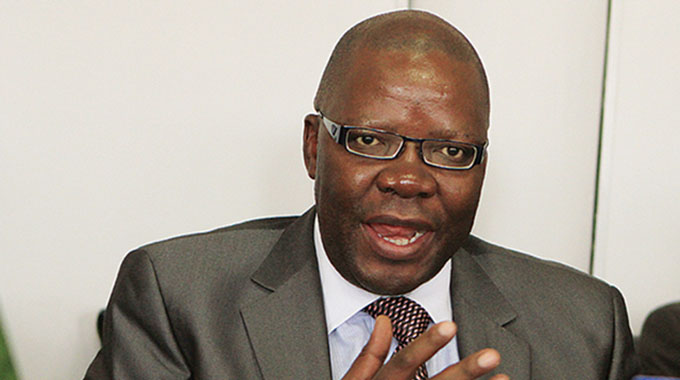
Takunda Mugaga Economic Agenda
It could not have been worse than the end of July 2013 for the man who was entrusted with the nation’s briefcase to wake up joining the backbenchers in Parliament.
Indeed, politics is cruel and African politics is even more cruel as its verdict has nothing to do with the energy one puts in some instances but rather the type of war one fights.
Tendai Laxton Biti, born August 6, 1966, was an active student politician during his undergraduate years at the University of Zimbabwe. Growing up in the high-density suburb of Dzivarasekwa, it was a remarkable feat to become a senior partner at Honey and Blackenburg when he was just 26.
This is a record which the former finance minister could not maintain in the political jungles after it appeared that he was the youngest Treasury boss ever in the history of Zimbabwe to have a party found on the losing end in a plebiscite. His confrontational approach made him both a darling for both those within his party and those outside.
His love for Black Rhinos Football Club resonates well with his character of resilience while being an ardent Arsenal follower tallies with his austerity approach as the London-based club hardly spends money even on necessary projects. Ironically, he could neither subscribe to the agriculture funding policy nor the civil servants’ plight.
His days at Goromonzi High School could be seen replaying in his days in office as some of his old school mates were poised to take strategic posts in Government institutions, what a spirit of camaraderie.
After the introduction of dollarisation by his predecessor, Patrick Chinamasa, then came Biti with his famed “eat what you kill” mantra. This saw some of the sectors such as agriculture and manufacturing losing their top priority as the funding got limited to recurrent expenditures mainly wages and salaries. It was at this juncture that it is alleged he even attracted the ire of his fellow MDC Cabinet ministers who labelled him a “super minister”. His love for finance even though he was not much grounded in the discipline was quite observable on different forums where he got the podium through his constant reference to Western markets especially Wall Street.
An advocate of free market economics which saw him developing a complete disdain for indigenisation can also be linked to the demise of his party which failed to garner a seat in about 60 percent of the constituencies.
Most of his Budget statements were mainly attempts rather than actions as the call for austerity was of no significance to an economy where only two classes – the wealthy and the poor – existed. The call for RBZ Governor Dr Gono to step down was his salutation in the first year of entering office but it died a natural death with the possibility of private meetings between him and his colleagues having convinced him that fighting the governor was indeed a futile exercise considering the man who had appointed him was to send the Treasury boss into political oblivion as confirmed just a week ago.
Without overstating his abilities, it is true he was a thorough minister in his dealings only that his love for his party sometimes compromised his stance on some national issues which include the interpretation of 99-year leases in agriculture, views on sanctions and also the role of foreign capital in the growth and development of the Zimbabwean economy. Dollarisation had redressed the 2007-2008 excesses of hyperinflation, but has not dramatically changed the pre-existing dynamics of Zimbabwean institutions. The problems of 2008 going backwards are but just concealed in the veil of a multi-currency regime.
His last Budget was the most revealing as it made him a banking tsar ahead of his subordinate, the Reserve Bank of Zimbabwe. It was the toughest budget for the business community as it tightened the internal environment of banking following the introduction of “Islamic banking” as he almost choked interest income through a command approach to banking regulation. This will leave the incoming Treasury custodian with a tough job on how to salvage the uncertain environment to which banks are operating as the departure from the economic landscape of Biti might spell a new policy strategy from the successor. The irony of it is that he thought Gono was an impediment to banking sector growth when his draconian laws to do with memorandums of understanding have seen deposits growth increasing at a snail’s pace.
A man who had a taste for three-piece suits, holding the traditional Budget briefcase while entering the august House, it was always his intention to ruffle the feathers of those in the opposite political party as announcing the Budget was the best platform to sell his party policies and not the national policy.
He has witnessed the sunset of his political career at an early age, at the depth of his mind he could be wondering what could have been the trick behind those who have served in the Cabinet he so loves for more than three decades.
His last days in office were characterised by squabbles in the funding of elections as the claim was there was no money for the plebiscite but the nation just woke up hearing funding was secured without him hinting on where it was sourced from. The SDR units from IMF could not be utilised for this purpose as they are meant for monetary not fiscal interventions. This could also be argued to have damaged his standing as a Treasury boss who was rated the best finance minister in Africa, hardly a year after assuming the post. The next five years could be a crunch time within his party as he is bound to ask for more as he seems to have used all the energy imbued in him to see his party becoming a force to reckon with only to wake up facing the shock of almost losing his seat.
Christopher Takunda Mugaga is an economist and Head of Research for Econometer Global Capital, a regional finance and economics research firm. He can be contacted on: [email protected] or +263 772 340 353 / +263 776 266 062.



 Online Reporter