Jacqueline Ntaka [email protected]
THE rise of computer-controlled cars is one of the most significant developments in modern transport. What once belonged to the realm of science fiction is rapidly becoming reality, with manufacturers and technology companies investing heavily in autonomous and semi-autonomous vehicles.
While fully self-driving cars are not yet commonplace on public roads, advanced driver assistance systems are already changing the way people drive. As these technologies become more sophisticated, they have the potential to transform road safety, reduce accidents and reshape society’s relationship with transport.
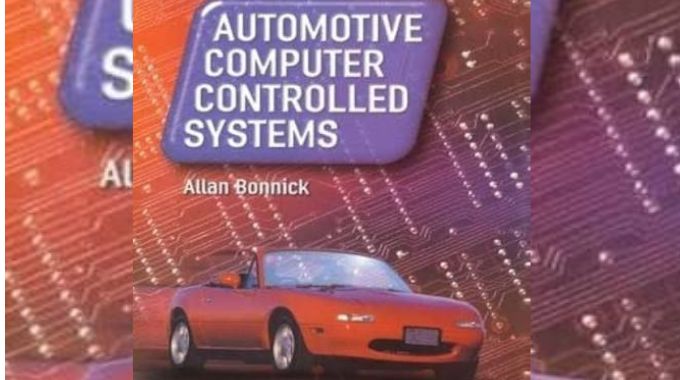
Most road accidents today are caused by human error. Drivers become distracted by mobile phones, misjudge distances, drive while fatigued, or make poor decisions under pressure. Computer-controlled vehicles are designed to address these weaknesses. Using a combination of cameras, radar, sensors and artificial intelligence, these systems can monitor the vehicle’s surroundings continuously and react far more quickly than a human driver. Unlike people, computers do not become tired, impatient or distracted.
Many of the technologies that underpin autonomous driving are already widely available. Features such as automatic emergency braking, lane-keeping assistance, adaptive cruise control and blind-spot monitoring have become increasingly common in new vehicles. These systems act as an extra layer of protection, helping drivers avoid mistakes that could lead to collisions. In many situations, they can identify potential hazards before a driver has even noticed them and take corrective action within fractions of a second.
The potential safety benefits of fully autonomous vehicles are considerable. A computer-controlled car can process vast amounts of information simultaneously, tracking surrounding vehicles, pedestrians, cyclists and road conditions in real time. This constant awareness could significantly reduce the likelihood of crashes caused by inattention or delayed reactions. In theory, a transport network made up largely of autonomous vehicles could operate more efficiently, with cars communicating directly with one another to manage speed, spacing and traffic flow. This could lead not only to fewer accidents but also to reduced congestion.
However, the technology is not without challenges. Computer-controlled cars depend on complex software and hardware systems that can occasionally fail. Sensors may struggle in severe weather conditions, while software bugs or unexpected situations can create risks that engineers have not anticipated. Questions also remain regarding cybersecurity. As vehicles become increasingly connected, protecting them from hacking and malicious interference becomes essential. Public trust will depend on manufacturers demonstrating that these systems are reliable, secure and capable of handling a wide range of driving environments.
There are also legal and ethical issues to consider. When an autonomous vehicle is involved in an accident, determining responsibility can be complicated. Liability may extend beyond the person inside the vehicle to include manufacturers, software developers or other parties involved in the system’s design. Governments and regulators will need to develop new frameworks to address these concerns as the technology becomes more widespread.
Despite these challenges, the direction of travel is clear. Computer-controlled cars are becoming more capable with each passing year, and their influence on road safety is likely to grow. Although they may never eliminate accidents entirely, they have the potential to reduce the human errors that cause most collisions today. If implemented carefully and supported by robust regulation, autonomous vehicles could make roads significantly safer for everyone, marking one of the most important advances in transport since the invention of the motor car.
Jacqueline Ntaka is the CEO of Mviyo Technologies, a local tech company that provides custom software development, mobile applications and data analytics solutions. She can be contacted on [email protected]